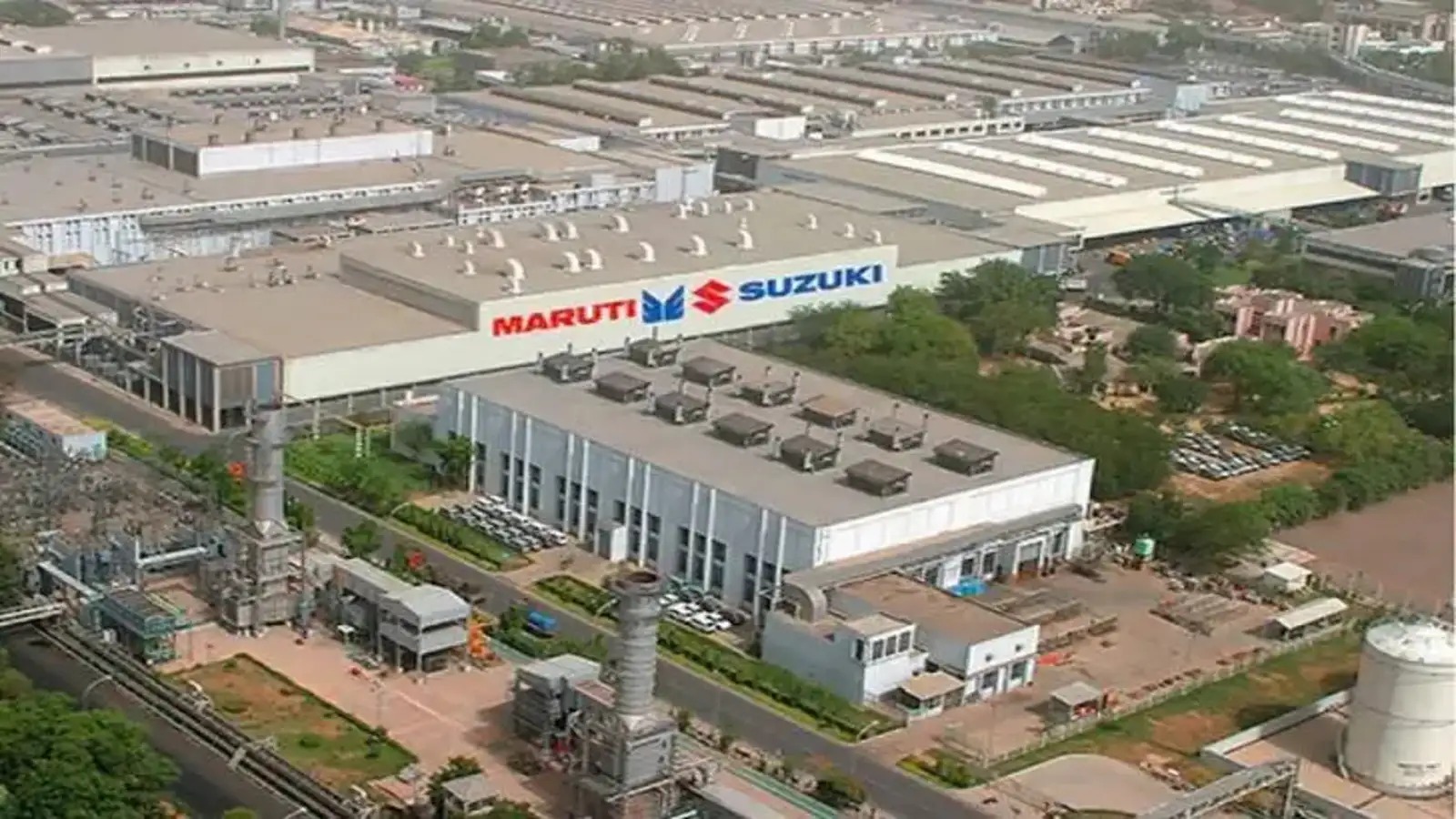
Maruti Suzuki is partnering with five government ITIs in Gujarat to launch advanced manufacturing labs. The initiative aims to equip students with industry-relevant skills in automation and robotics, narrowing the gap between vocational training and current automotive manufacturing requirements while strengthening the talent pipeline for India’s growing industrial sector.
GANDHINAGAR — Maruti Suzuki India Limited has announced a strategic partnership to establish advanced manufacturing laboratories across five government-run Industrial Training Institutes (ITIs) in Gujarat. The initiative, confirmed on Monday, June 22, 2026, aims to modernize vocational training by aligning the curriculum with the latest technological requirements of the automotive manufacturing sector.
The collaboration will see the installation of state-of-the-art labs equipped with high-end machinery and simulation software. These facilities are designed to provide students with hands-on experience in modern manufacturing processes, including automated assembly, robotics, and quality control systems—skills that are increasingly critical as the industry shifts toward electric vehicles (EVs) and smart manufacturing.
Bridging the Industrial Skills Gap
The partnership addresses a long-standing challenge in the vocational education sector: the mismatch between traditional training methods and the rapid technological advancements seen on factory floors. By integrating their own industry expertise into the ITI ecosystem, Maruti Suzuki expects to enhance the employability of thousands of students annually.
According to company officials, the labs will be established at strategically located ITIs in Gujarat, a state that serves as a central hub for India’s automotive manufacturing output. This project is part of a broader commitment by the company to bolster the "Skill India" mission, ensuring that the next generation of technicians is well-versed in digital-first industrial production.
Infrastructure and Technical Curriculum
The curriculum at these new manufacturing labs will be co-developed by Maruti Suzuki’s engineering team and the state’s technical education department. Beyond basic mechanical skills, the program will focus on:
Digital literacy and automation awareness.
Advanced precision measurement techniques.
Preventive maintenance for smart machinery.
Compliance with global safety and environmental standards.
The infrastructure rollout is slated to begin in the third quarter of this fiscal year, with the company providing both the equipment and the technical training required for faculty members to operate the labs effectively.
Official Sources
Quote Section
According to officials, "The partnership is focused on creating an industry-ready workforce by providing students with exposure to global manufacturing standards. By bringing the shop floor experience into the classroom, we are ensuring that the youth are equipped with the specialized knowledge required by the modern automotive sector."
Why It Matters
For Gujarat’s industrial landscape, this development provides a reliable talent pipeline for the automotive ecosystem. For students, the program offers a clear path to high-skilled employment, reducing the transition time between graduation and professional work. For investors and industry analysts, such investments signal that major manufacturers like Maruti Suzuki are prioritizing domestic talent development to sustain long-term growth and transition into more advanced technology manufacturing.
Key Facts at a Glance
Project Scope: Establishment of advanced manufacturing labs at five select ITIs in Gujarat.
Focus Areas: Automation, robotics, precision engineering, and smart manufacturing.
Partnership Goal: Bridging the skills gap between vocational training and industrial requirements.
Timeline: Infrastructure installation scheduled to commence in Q3 2026.
FAQ
1. Which ITIs will receive the advanced labs?
The specific list of the five ITIs in Gujarat will be finalized in coordination with the state’s Directorate of Employment and Training, prioritizing hubs with high automotive industry density.
2. Is this part of a Corporate Social Responsibility (CSR) initiative?
Yes, the project is a central component of Maruti Suzuki’s CSR strategy aimed at educational development and sustainable industrial talent acquisition.
3. Will the curriculum change for students?
Yes, the company will collaborate with the institutions to integrate industry-relevant modules into the existing vocational curriculum, focusing on modern automation and digital manufacturing tools.
Source: Maruti Suzuki, Gujarat Government Directorate of Employment and Training