This international trade brief outlines India and the United States accelerating bilateral talks to expand cooperation across defense, investments, and critical minerals. The analysis breaks down how the upcoming agreement will incorporate preferential tariffs and rules of origin, while addressing parallel regulatory discussions regarding domestic steel capacity targets.
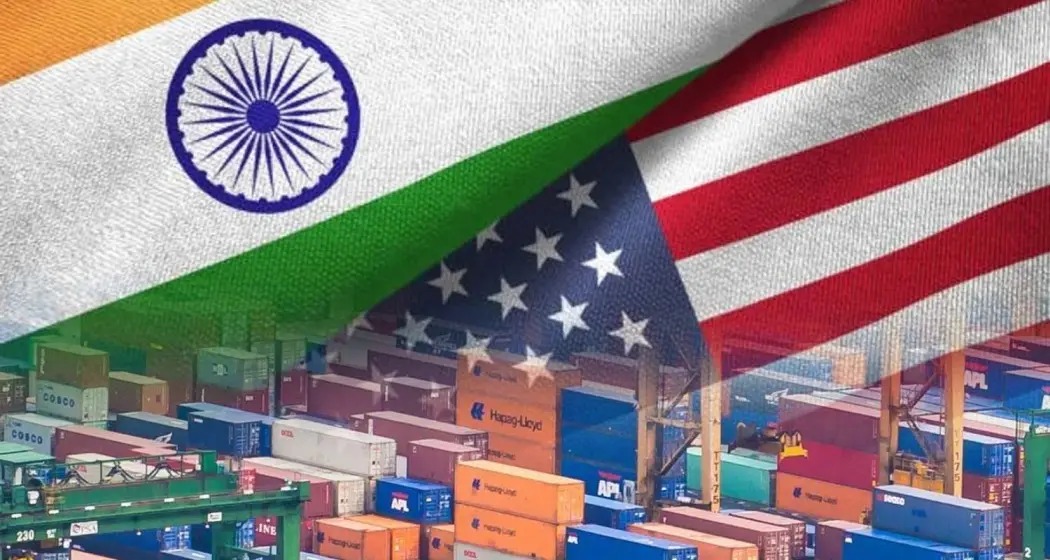
NEW DELHI — India and the United States are seriously engaged in expanding structural cooperation across defense, critical minerals, and mutual investment pipelines. In a series of formal policy briefings, India's Trade Minister Piyush Goyal confirmed that negotiators from both Washington and New Delhi are making rapid progress toward finalizing the primary components of an expansive bilateral trade agreement.
The diplomatic acceleration arrives at a vital juncture for both global economies. As multinational corporations look to diversify their advanced industrial operations away from traditional East Asian manufacturing lines, the emerging India-US trade framework is being optimized to insulate allied technology corridors and establish resilient, long-term supply links between the two democratic nations.
Preferential Tariffs and Rules of Origin Framework
According to official briefings from the Ministry of Commerce and Industry, the proposed trade agreement is structured to provide deep, reciprocal market access while safeguarding domestic manufacturing bounds. Minister Goyal clarified that the legal mechanics of the deal are highly likely to incorporate specialized preferential tariffs tailored to high-tech and industrial components.
To prevent third-party economies from exploiting these lower duties, the text will enforce rigorous "rules of origin" provisions. These legal protocols will mandate that a specified percentage of an item's value must be created or transformed within the borders of the exporting nation to qualify for duty-free entry. This measure protects local factories from transshipment loops and ensures that trade benefits remain strictly shared between the two partners.
Securing Critical Minerals and Defense Integration
A primary pillar of the high-level engagement focuses on critical minerals such as lithium, cobalt, titanium, and rare earth elements which serve as the essential baseline inputs for electric vehicle batteries, defense avionics, and semiconductor manufacturing. By establishing a dedicated, bilateral sourcing and processing corridor, New Delhi and Washington aim to reduce their vulnerability to external export restrictions.
In parallel, the defense segment is moving beyond standard government-to-government procurement toward co-development and technology transfers. Under the umbrella of the Initiative on Critical and Emerging Technology (iCET), the countries are streamlining regulatory export hurdles to enable private aerospace and defense companies to build joint production hubs in India. These partnerships will manufacture specialized turbine components and advanced armored systems for global export.
Navigating Cross-Border Regulatory Challenges
Despite the strong progress on technology and investment, trade officials are working to resolve complex regulatory differences. For instance, Washington recently raised concerns through a U.S. Trade Representative (USTR) Section 301 investigation, alleging overcapacity in India’s steel and textile sectors.
Indian trade authorities, led by Additional Secretary Amitabh Kumar, have firmly rejected these absolute overcapacity claims. Indian officials argue that production volumes must be viewed relative to the nation's massive population size, noting that its per capita consumption of steel and synthetic fibers remains among the lowest in the world. New Delhi maintains that its ongoing expansion anchored by the National Steel Policy's target of 400 million tonnes by 2036 is designed strictly to fulfill its own internal domestic infrastructure demands.
Official Sources Section
The negotiation targets, tariff frameworks, and strategic investment parameters cited in this trade brief correspond directly to public statements issued by India's Trade Minister Piyush Goyal and official briefing notes archived by the Ministry of Commerce and Industry. Technical steel production figures and capacity expansion targets align with data released by the Ministry of Steel and audited trade metrics from the U.S. Trade Representative (USTR) registries.
Quote Section
Regarding the legal and timeline milestones driving the ongoing bilateral sessions, the ministry's executive desk clarified the current roadmap:
"According to officials, both sides are making rapid progress toward finalizing the first part of the comprehensive trade agreement, with a target to reach a formal consensus on early-harvest provisions as early as mid-July."
Why It Matters
For multinational corporate investors and everyday consumers, the formalization of an India-US trade deal provides a stable framework for global business planning. By lowering cross-border duties and securing critical mineral supply chains, the agreement reduces production input costs for essential electronic devices and clean energy hardware. This allied alignment helps shield international commerce from geopolitical shocks, ensuring a highly predictable and resilient trade environment worldwide.
Key Facts at a Glance
Active Engagement: India and the US are engaged in high-level negotiations to expand cooperation in defense, critical minerals, and investment portfolios.
Tariff Framework: The upcoming trade deal is highly likely to feature preferential tariffs alongside strict rules of origin to prevent third-party transshipments.
Industrial Growth: India’s domestic steel output rose 10.7% year-on-year to hit 168.4 million tonnes in FY26, driven by internal development needs.
Target Timeline: Both negotiating teams are working to finalize the first phase of the bilateral trade accord by mid-July.
FAQ Section
What are "rules of origin" provisions in a trade agreement?
Rules of origin are legal criteria used to determine the national source of a product. In the context of the India-US trade talks, these rules ensure that preferential low tariffs apply only to goods genuinely manufactured within the participating nations, preventing outside countries from routing products through India to evade standard duties.
Why is cooperation on critical minerals a high priority for both nations?
Critical minerals are vital for manufacturing electric vehicles, advanced electronics, and defense equipment. Securing an allied, cross-border supply chain reduces the risk of sudden export restrictions from dominant global suppliers, ensuring that both countries can sustain their technology and clean energy factories.
How are the two countries addressing the U.S. allegations of industrial overcapacity?
While the U.S. has raised questions regarding production volumes in textiles and steel, India has rejected these overcapacity claims. Indian trade representatives are using data to show that current production merely fulfills domestic infrastructure and development requirements, ensuring that ongoing trade talks remain on a constructive path.
Source: Official press statements from Trade Minister Piyush Goyal, compliance filings from the Ministry of Commerce and Industry, and trade reports from the U.S. Trade Representative (USTR).