India is engaged in fast-progressing, initial-stage talks with the UAE to sell its BrahMos supersonic cruise missiles and Akashteer air defense systems. Simultaneously, Thailand, South Africa, Brazil, and Chile have expressed formal interest in the BrahMos platform, highlighting India’s rising status as a key global arms exporter.
NEW DELHI — India has entered advanced, fast-progressing discussions with the United Arab Emirates (UAE) regarding a comprehensive bilateral arms agreement, marking a major milestone for New Delhi’s defense manufacturing sector. According to high-level defense officials, the proposed India-UAE missile deal talks are moving rapidly through initial diplomatic and technical evaluation stages. The agreement aims to supply Abu Dhabi with India's flagship BrahMos supersonic cruise missiles alongside the indigenously developed Akashteer air defense command and control system. This development comes as India aggressively expands its weapon export footprint, with major nations across South America, Africa, and Southeast Asia simultaneously registering formal procurement interest.
Technical Scope of the Proposed UAE Defense Deal
The ongoing negotiations represent a significant shift in Gulf defense dynamics. Sources close to the development state that the multi-billion-dollar framework focuses heavily on augmenting the UAE’s interception and long-range precision strike capabilities.
The defense package under discussion involves two primary pillars:
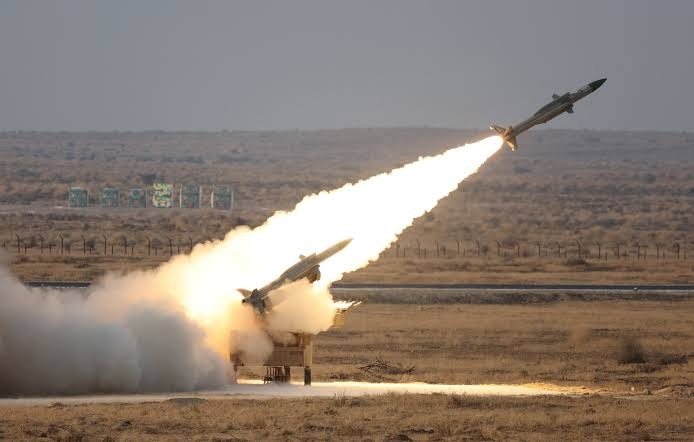
The BrahMos Supersonic Cruise Missile: Developed through a joint venture between India's Defence Research and Development Organisation (DRDO) and Russia's NPO Mashinostroyeniya, the system travels at speeds of Mach 2.8 to 3.0. It is recognized globally for its low radar signature, high kinetic energy impact, and versatility across land, sea, and air platforms.
The Akashteer Air Defence System: An automated, mobile command and control platform developed indigenously by Bharat Electronics Limited (BEL). The system digitizes air defense operations, integrating radar data and control centers into a single network to intercept low-altitude aerial threats, including unmanned aerial vehicles (UAVs) and loitering munitions.
According to military planners, the integration of these two platforms would provide the UAE Armed Forces with an integrated, automated network capable of neutralizing modern asymmetric aerial threats while securing crucial maritime and energy infrastructure points.
Surging Global Demand Across the Global South
Beyond the rapid progression of the India-UAE missile deal talks, senior defense sources confirmed that four other major international players—Thailand, South Africa, Brazil, and Chile—have officially registered fresh expressions of interest in procuring the BrahMos missile ecosystem.
International defense analysts note that global interest in Indian military technology has risen significantly following the combat-validation of these systems in regional defense exercises and border deployment scenarios over the last year. The successful deployment of the Akashteer network for real-time electronic warfare and drone tracking has established India as a reliable alternative to traditional Western and Chinese air defense suppliers.
For South American states like Brazil and Chile, the coastal and naval variants of the BrahMos are being evaluated to protect exclusive economic zones (EEZs) and bolster maritime deterrence. Meanwhile, Thailand and South Africa are focusing on land-based coastal defense batteries to update their aging military hardware.
Economic Impetus and India's Export Strategy
The accelerating talks align directly with the Indian government's "Make in India" defense initiative and its target to achieve annual defense exports of 50,000 crore rupees ($6 billion) by 2030. According to historical data from the Ministry of Defence, India's defense exports reached a record high of 38,424 crore rupees in the fiscal year 2025–26, driven by ammunition, components, and the initial export of BrahMos batteries to the Philippines.
Securing a full-scale procurement contract with a well-capitalized buyer like the UAE would provide long-term revenue visibility for domestic public sector undertakings (PSUs) and private sector component suppliers. Furthermore, it firmly establishes India not merely as a regional defense exporter in South Asia, but as an international supplier capable of satisfying the stringent requirements of West Asian defense portfolios.
Official Sources Section
Details concerning the technical specifications, export targets, and automated deployment parameters are based on official corporate reports from BrahMos Aerospace, corporate compliance filings by Bharat Electronics Limited, and ongoing defense production briefings managed by the Ministry of Defence. Strategic export indicators and trade frameworks conform to documentation published by the Ministry of External Affairs.
Quote Section
"According to defense ministry officials familiar with the negotiations, the India-UAE missile deal talks are advancing at an accelerated pace due to mutual agreements on technology sharing, localized maintenance support, and shared security concerns regarding maritime transit lanes in the western Indian Ocean."
Why It Matters
For global defense investors and industrial contractors, India’s transition into an active exporter of complex, high-tier weapon systems alters long-term market dynamics. It introduces a highly competitive, combat-proven supplier into West Asia and South America. For regional consumers and international security allies, a successful deal enhances collective security frameworks, making key trade checkpoints safer from drone disruptions, piracy, and localized missile threats.
Key Facts at a Glance
Accelerated Negotiations: India and the UAE are engaged in fast-moving, initial-stage talks to finalize a multi-tier missile and air defense acquisition program.
Core Systems Involved: The potential deal spans the supersonic BrahMos cruise missile and the AI-driven Akashteer air defense management system.
Global Footprint Expansion: Thailand, South Africa, Brazil, and Chile have independently initiated technical inquiries into procuring BrahMos configurations.
Export Ambitions: The negotiations support India's strategic push to cross 50,000 crore rupees in defense exports by the end of the decade.
FAQ Section
Q: What makes the Akashteer system highly sought after by foreign militaries? A: The Akashteer system functions as an automated, mobile command-and-control "war cloud." It allows military forces to rapidly integrate diverse radar networks, enabling real-time detection and automated destruction of low-altitude threats like drones and cruise missiles.
Q: Is Russia involved in the India-UAE BrahMos negotiation? A: Because BrahMos is a joint venture between India's DRDO and Russia's NPOM, export clearances are managed under a unified bilateral framework established by both nations to ensure compliance with international export regulations.
Q: Have any contracts been officially signed with the UAE yet? A: Government sources emphasize that the India-UAE missile deal talks are currently at an initial stage. While progress is moving rapidly, a formal, legally binding commercial contract has not yet been executed.
Source: Ministry of Defence India, Ministry of External Affairs India, BrahMos Aerospace Disclosures