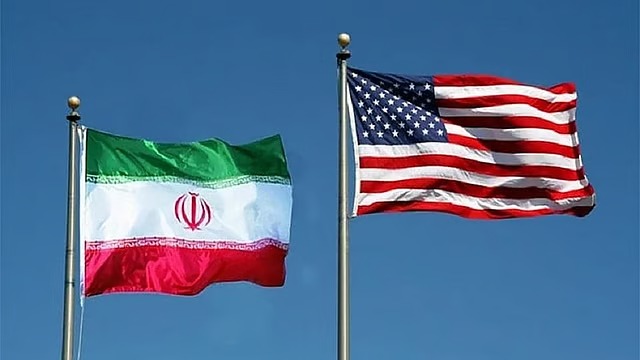
Chinese Foreign Minister Wang Yi met with Iranian security officials in New Delhi during the BRICS conclave, offering China’s full diplomatic backing for the recent Iran-US ceasefire memorandum. Wang emphasized that Beijing will protect Iranian sovereignty while pushing both Washington and Tehran to launch follow-up negotiations to restore long-term regional peace.
NEW DELHI — Chinese Foreign Minister Wang Yi held a high-level diplomatic meeting with senior Iranian security officials today, June 22, 2026, in India’s capital, explicitly endorsing the landmark ceasefire memorandum of understanding (MoU) signed between Iran and the United States to halt their recent direct military conflict. The strategic bilateral dialogue took place on the sidelines of the 16th BRICS National Security Advisers (NSA) and High Representatives Conclave in New Delhi. The face-to-face meeting marks a critical phase in international diplomacy, as China moves to anchor its strategic footprint in West Asian security by throwing its full geopolitical weight behind the fragile, Pakistan-mediated peace architecture designed to reopen the blockaded Strait of Hormuz.
China Endorses Iran-US MoU and Urges Next-Stage Talks
According to a formal statement released by the Chinese Foreign Ministry, Foreign Minister Wang Yi signaled Beijing’s total diplomatic support for the 14-point memorandum signed on June 17, 2026, by the presidents of the United States and Iran. The agreement established a 60-day extension of the initial localized ceasefire to negotiate permanent peacetime parameters and resume global energy shipping lines through critical maritime chokepoints.
During the New Delhi deliberations, Wang stated that maintaining and implementing the first-stage MoU is essential to consolidate the hard-won cessation of hostilities. Beijing formally welcomed both Washington and Tehran to rapidly launch their scheduled follow-up negotiations for the second stage of the peace framework.
Chinese officials emphasized that the current political breakthrough proves that external military force is completely ineffective at resolving deep-seated regional grievances. The foreign ministry urged both adversaries to approach the upcoming rounds of structural negotiations with a practical, rational mindset to avoid localized provocations that could shatter the delicate truce.
Direct Protection of Sovereignty and Regional Security Architecture
A primary pillar of the bilateral meeting centered on Beijing's renewed security guarantees to Tehran. Wang explicitly reaffirmed that China firmly supports Iran in safeguarding its national sovereignty, internal security, and national dignity on the global stage.
The security consultations highlighted several core regional expectations from the Chinese delegation:
Maritime Stabilization: Reopening the Strait of Hormuz to secure international energy shipping lane safety and stabilize global commodities markets.
De-escalation in Lebanon: Ensuring the strict implementation of commitments, including the complete cessation of secondary military operations affecting Lebanese territory.
Collective Security Frameworks: Assisting Iran in improving its long-term diplomatic relations with neighboring Gulf Cooperation Council (GCC) states to build a self-sustaining, non-Western security matrix.
The Geopolitical Context: Global South Alignment at BRICS
The high-stakes meeting in New Delhi carries profound broader geopolitical implications. It took place as top security officials from the expanded 11-member BRICS bloc—including China, Russia, India, and newly inducted members Iran and the United Arab Emirates—convened to align political strategies ahead of the main leaders' summit scheduled for September 2026 in India.
By choosing an Indian diplomatic backdrop to project unity with Tehran, Beijing is reinforcing its identity as a mediator for the Global South. For global financial markets and energy corporations, the public alignment between China and Iran provides substantial political backing to the ceasefire, reducing the immediate risk of structural infrastructure attacks on oil fields and major trade pipelines. However, Western observers note that China's explicit defense of Iranian "national dignity" serves as an intentional geopolitical check against unilateral American sanctions or future regional containment policies.
Official Sources Section
The specific diplomatic declarations, strategic positions, and bilateral itineraries detailed in this news report conform directly to official press briefings published by the Ministry of Foreign Affairs of the People's Republic of China and the Press Information Bureau of India. Contextual data regarding the 14-point peace terms align with historical documentation verified by the United Nations Security Council.
Quote Section
"According to officials summarizing the bilateral consultations in New Delhi, China will continue to provide diplomatic assistance in its own distinct way, playing an active, constructive role to facilitate continuous dialogue and restore total regional peace and tranquillity at an early date."
Why It Matters
This development matters because the stability of the global economy is closely tied to the permanence of the Iran-US ceasefire. China’s diplomatic endorsement of the MoU provides a robust framework that deters hardline factions on both sides from violating the truce. For global energy consumers, international shipping lines, and businesses, a guaranteed transition from initial ceasefires to structured, follow-up negotiations ensures that oil prices remain insulated from sudden supply disruptions in the Persian Gulf.
Key Facts at a Glance
Bilateral Setting: Chinese Foreign Minister Wang Yi held face-to-face consultations with Iran's security delegation during the BRICS NSA summit in New Delhi.
Peace Deal Support: China has formally endorsed the June 17 Iran-US memorandum of understanding that extended the active regional ceasefire.
Strategic Sovereignty: Beijing reiterated its explicit support for Iran's sovereignty, national security, and territorial dignity.
Next Steps Advocated: China has urged Washington and Tehran to initiate second-stage follow-up negotiations with a practical, rational attitude.
Economic Objective: The diplomatic roadmap prioritizes the rapid, permanent normalization of commercial shipping passage through the Strait of Hormuz.
FAQ Section
Q: What is the significance of the MoU that China is supporting? A: The MoU signed between the US and Iran established a critical 60-day extension of their regional ceasefire, creating a structured diplomatic window to negotiate permanent peace terms and safely reopen international energy shipping lanes.
Q: What role did India play in these specific bilateral discussions? A: India acted as the institutional host for the broader BRICS National Security Advisers meeting in New Delhi, providing the neutral diplomatic venue where China and Iran chose to execute their parallel security consultations.
Q: Does China's support mean it will militarily defend Iran? A: No. China's commitments are focused on providing robust diplomatic mediation, expanding political mutual trust, and promoting multilateral regional security frameworks rather than establishing direct mutual defense pacts.
Source: Ministry of Foreign Affairs of China, Press Information Bureau India, United Nations Security Council Transcripts