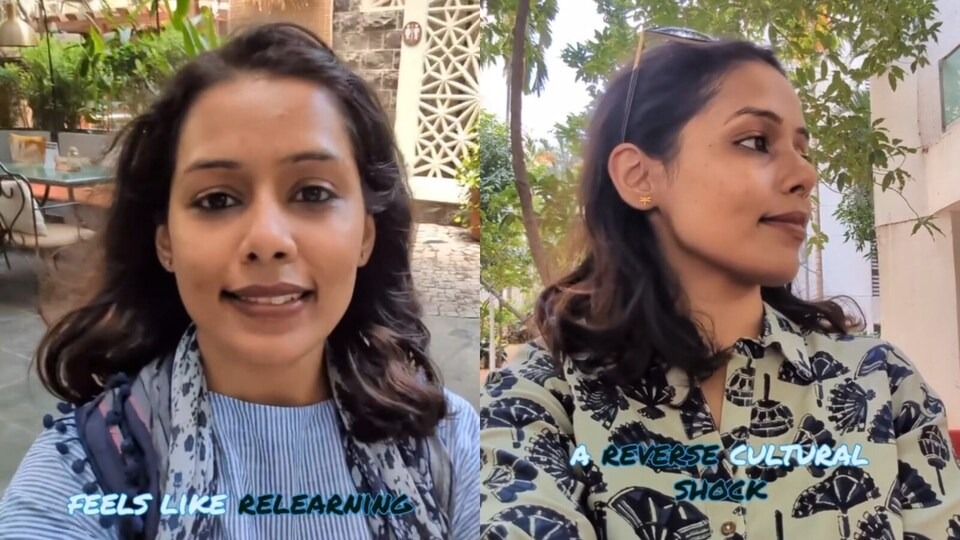
A Pune woman's viral account of returning to India after 15 years in Germany has spotlighted "reverse cultural shock." Her struggles with civic traffic, infrastructure gaps, and differing professional boundaries highlight the significant psychological and structural challenges highly skilled diaspora professionals face when repatriating to rapidly evolving Indian metros.
PUNE — A technology professional from Pune has sparked widespread online discussion after documenting her experiences with "reverse cultural shock" following her permanent relocation to India after 15 years in Germany. Shweta Kulkarni, who returned to Maharashtra this month to be closer to family and explore domestic career opportunities, detailed the profound infrastructure, behavioral, and professional adjustments returning expatriates face. The account, which has gained traction across professional networking and social media platforms, underscores a broader contemporary trend of highly skilled non-resident Indians (NRIs) navigating the practical complexities of repatriation amid India's rapid urban transition.
The Reality of Repatriation: Infrastructure and Traffic Realities
According to public logs and personal accounts shared by Kulkarni, the primary friction point during her initial weeks back in Pune centered on daily civic infrastructure. After a decade and a half acclimating to the strictly regulated public transit systems and pedestrian-centric urban layouts of Western Europe, the unstructured traffic flow of Pune presented an immediate challenge.
Urban planning experts note that major Indian metropolitan areas have undergone rapid physical expansion, yet civic infrastructure often lags behind population density. Kulkarni reported that navigating local traffic lanes, managing the lack of pedestrian right-of-way, and adjusting to the auditory environment of constant honking required significant mental recalibration. The daily commute, which was highly predictable via German rail networks, became an unpredictable variable requiring extensive pre-planning in India.
Social Dynamics and the Loss of Strict Work-Life Separation
Beyond physical infrastructure, the transition highlighted distinct cultural shifts in social dynamics and professional boundaries. In Germany, social structures heavily emphasize personal privacy, structured scheduling, and a firm demarcation between professional duties and personal time.
Upon returning to Pune, Kulkarni noted several cultural differences:
The "Warmth vs. Boundary" Paradox: While the immediate hospitality and communal support from neighbors and extended family were comforting, they often blurred the lines of personal privacy standard in Western Europe.
Professional Hyper-Availability: Early interactions within the domestic corporate landscape revealed an expectation of constant connectivity, a stark contrast to the strict post-work disconnection legally and culturally protected in Germany.
On-Demand Service Reliance: Conversely, the returnee noted the high efficiency and low cost of India's hyper-local digital delivery apps and domestic help ecosystems, which do not exist in the same self-reliant European framework.
Economic and Societal Impact on Returning Professionals
Sociological data from corporate relocation firms indicate that "reverse cultural shock" affects a significant percentage of long-term expats. For businesses and human resource departments in India's technology hubs—like Pune, Bengaluru, and Hyderabad—understanding these pain points is critical for talent retention.
When highly skilled repatriates struggle to assimilate, it can lead to secondary migration, where professionals choose to leave India again. For local economies, successful reintegration means retaining global expertise, international managerial standards, and substantial disposable income. However, for the returning individuals, it demands an emotional and psychological adaptation to a society that has evolved radically during their absence.
Official Sources Section
Observations and statistical context regarding expatriate migration patterns, returnee statistics, and urban demographic shifts are tracked periodically via reporting from the Ministry of External Affairs and regional urban municipal data released by the Pune Municipal Corporation.
Quote Section
"According to officials specializing in cross-cultural human resource management, repatriation shock is frequently more acute than initial expatriate shock because individuals expect their home country to remain exactly as they left it, failing to account for both personal evolution and systemic national growth over a decade."
Why It Matters
This development matters because India is actively positioning itself as a global technology and manufacturing hub, relying partly on returning diaspora talent to fill leadership roles. If major cities fail to address basic civic livability, pedestrian safety, and work-life balance concerns, the country risks losing top-tier global talent. For consumers and businesses, understanding reverse cultural shock helps create smoother transitional ecosystems, specialized relocation services, and more empathetic corporate environments.
Key Facts at a Glance
Duration Abroad: The professional spent 15 consecutive years living and working within Germany's socio-economic system.
Core Friction Points: The primary shocks cited include traffic indiscipline, civic infrastructure gaps, and blurred professional boundaries.
Positive Trade-offs: The availability of convenient on-demand digital delivery ecosystems and close proximity to family were highlighted as major advantages.
Location: The transition took place in Pune, Maharashtra, one of India’s leading IT and manufacturing cities.
FAQ Section
Q: What is reverse cultural shock? A: Reverse cultural shock is the emotional, psychological, and behavioral difficulty that individuals experience when returning to their home country after living abroad for a prolonged period, discovering that both they and their homeland have changed.
Q: Why are many NRIs returning to India now? A: Many professionals choose to return to India due to aging parents, a desire for children to connect with their cultural roots, and the expanding high-tech job market within major Indian metro hubs.
Q: How can companies help returning expats adapt? A: Indian enterprises can assist by offering flexible working arrangements, structured onboarding programs that acknowledge corporate cultural differences, and assistance with local civic registration and housing transitions.
Source: Ministry of External Affairs India, Pune Municipal Corporation Urban Reports, National Institute of Mental Health and Neurosciences Cross-Cultural Studies