UK Prime Minister Keir Starmer has announced his resignation following a severe cabinet revolt and mounting internal pressure. Starmer will remain in office to ensure an orderly handover until a successor is selected, with formal nominations set to open on July 9, 2026, marking Britain's seventh executive transition in ten years.
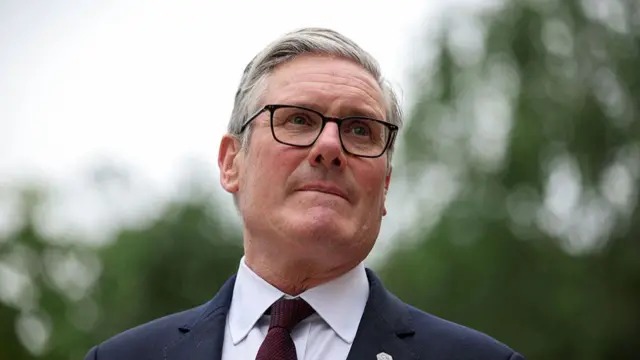
LONDON — United Kingdom Prime Minister Keir Starmer announced his resignation today, June 22, 2026, bowing to mounting pressure from senior cabinet officials and backbench lawmakers following a devastating series of local defeats and a pivotal by-election loss. Speaking from a podium outside 10 Downing Street, Starmer confirmed that he will step down as leader of the Labour Party but will remain in his post as Prime Minister until a formal leadership contest is fully completed. The decision marks an abrupt end to a premiership that began with a historic landslide victory less than two years ago, plunging British politics into another period of executive transition.
Starmer Outlines Official Transition and Nomination Timetable
In his address to the nation, the Prime Minister detailed the operational steps for his departure, emphasizing his commitment to minimizing political instability. As part of the structured transition, Starmer announced that he will officially ask the Labour Party’s National Executive Committee and parliamentary authorities to set out an expedited timetable for the upcoming leadership election.
According to Downing Street officials, the formal nominations for the next party leader and Prime Minister will officially open on July 9, 2026. Starmer explicitly stated that he would do everything within his power to ensure a stable and orderly handover to his eventual successor. By remaining in office during the voting period, the administration aims to ensure that routine government business, international diplomatic commitments, and national security operations continue without interruption over the summer months.
Severe Cabinet Revolt Triggers Swift Resignation
The announcement follows days of intense, behind-the-scenes negotiations between Starmer and his closest political allies. The internal crisis reached a breaking point following the June 19, 2026, Makerfield by-election, where former Greater Manchester Mayor Andy Burnham won a seat in the House of Commons, immediately providing a focal point for a leadership challenge.
Over the weekend, more than half a dozen senior cabinet ministers privately informed Starmer that his position had become completely untenable. Parliamentary whips warned the Prime Minister that over 100 elected Labour lawmakers—roughly a quarter of the party's representation in the House of Commons—were prepared to demand an immediate vote of no confidence or stage mass resignations ahead of a scheduled Tuesday cabinet meeting. Faced with an unmanageable party rebellion, Starmer utilized his weekend at the Chequers country residence to draft his resignation statement alongside senior advisers.
Sharp Popularity Declines and Broad Economic Headwinds
Despite securing a massive 174-seat majority in the July 2024 general election, the administration has suffered from a sustained erosion of public and political support. Citizens and business leaders have voiced growing frustration over persistent macroeconomic stagnation, public service delivery bottlenecks, and a rising cost of living that the government struggled to alleviate.
Several controversial policy measures further isolated Starmer from both traditional voters and his own backbenchers. The decision to scale back winter fuel allowance payments for pensioners drew widespread condemnation, while high-profile diplomatic disputes and controversial political appointments further damaged the administration's approval ratings. Furthermore, rapid electoral gains by opposition groups, including the anti-immigration Reform UK party led by Nigel Farage and the Green Party, caused widespread anxiety among vulnerable Labour lawmakers fearing for their seats in the next general election.
With this resignation, the United Kingdom is now on track to install its seventh prime minister in just a single decade, illustrating a historic era of political volatility since the 2016 Brexit referendum.
Official Sources Section
Operational declarations regarding the resignation timeline, voting logistics, and official speeches conform to statements released directly by 10 Downing Street. Parliamentary process guidelines, including the criteria for leadership nominations, are managed according to rules established by the UK Parliament. Broader macroeconomic monitoring and fiscal data are tracked via regular publications from the Ministry of Finance.
Quote Section
"According to officials presenting the transition framework outside Downing Street, the Prime Minister reached his final decision after concluding that attempting to fight an aggressive, drawn-out leadership challenge would severely compromise the daily governance of the country and harm national economic recovery."
Why It Matters
The resignation has immediate practical implications for global financial markets, international allies, and domestic businesses. A transition period means major domestic legislation may be temporarily paused until a new prime minister is formally appointed. Investors will closely watch the leadership contest to gauge whether the incoming administration will pivot toward more aggressive economic growth strategies or alter current fiscal policies. For ordinary citizens, the change in leadership holds the potential for revised policies regarding energy infrastructure, social benefits, and public sector funding.
Key Facts at a Glance
Resignation Confirmed: Prime Minister Keir Starmer has officially announced his resignation but will remain in office until a successor is chosen.
Nomination Window: Formal nominations for the next leader of the Labour Party will officially open on July 9, 2026.
Political Catalyst: The move follows a decisive by-election victory by rival Andy Burnham and a subsequent revolt by over 100 Labour lawmakers.
Historical Churn: The upcoming transition will mark the appointment of the United Kingdom's seventh prime minister within the last ten years.
Orderly Handover: Starmer has pledged a stable transition to avoid administrative gridlock or financial market disruption.
FAQ Section
Q: When will the new UK Prime Minister take office? A: While nominations open on July 9, 2026, the final transition date depends on whether the selection process leads to a contested vote among party members or a swift coronation of a single candidate.
Q: Who is the frontrunner to replace Keir Starmer? A: Newly elected lawmaker and former Greater Manchester Mayor Andy Burnham is widely considered the leading candidate by party insiders, though other figures, such as former Health Secretary Wes Streeting, may mount a campaign.
Q: Will this announcement trigger an immediate UK general election? A: No. Because the Labour Party maintains its substantial parliamentary majority won in 2024, the party is legally permitted to select a new leader to serve out the remainder of the current parliamentary term without calling a nationwide election.
Source: UK Prime Minister's Office, The House of Commons Hansard, UK Parliament Official Portal