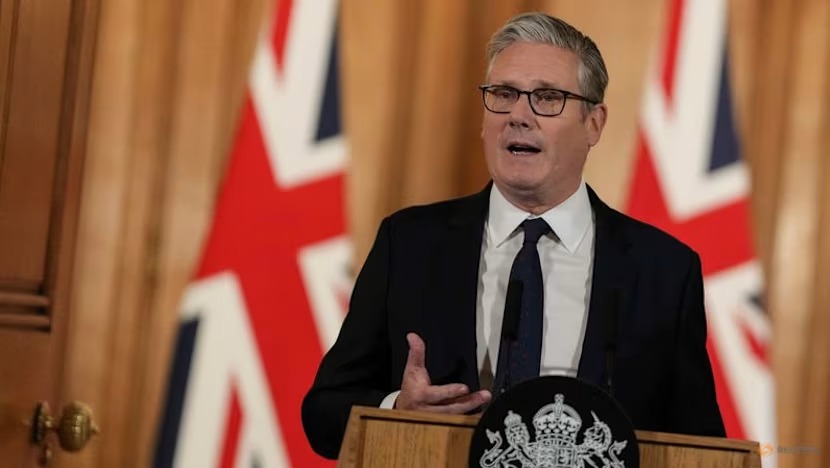
UK Prime Minister Keir Starmer has addressed the nation amid intense pressure to step down following a pivotal by-election win by rival Andy Burnham. Facing rebellions from over 100 MPs and plummeting poll numbers, Starmer is coordinating an exit timetable, signaling the country's seventh prime ministerial transition in ten years.
LONDON — United Kingdom Prime Minister Keir Starmer spoke publicly today from 10 Downing Street to address his political future as severe pressure to step down mounts within his own cabinet and parliamentary party. The development follows months of declining poll ratings and a major parliamentary by-election victory by a high-profile intra-party rival, which has left the current administration on the precipice of a leadership transition. Prime Minister Keir Starmer used the address to outline his next steps for the country while answering critics who have openly called for a timetable for his resignation.
Leadership Crisis Intensifies After Makerfield By-Election
The immediate catalyst for the current political crisis was the June 19, 2026, Makerfield by-election victory of former Greater Manchester Mayor Andy Burnham. Burnham won the Westminster seat in a decisive victory against Reform UK, clearing his path to enter the House of Commons and immediately position himself for a potential leadership challenge.
According to senior Labour Party officials, more than 100 elected lawmakers—representing approximately one-quarter of all Labour representatives in the House of Commons—have publicly or privately demanded that Starmer step down or establish a firm, accelerated timetable for his departure. Cabinet ministers reportedly gave the Prime Minister until the conclusion of the weekend to reflect on the "political realities" of his position before facing a coordinated intervention.
Public Discontent and Economic Challenges
Despite securing a landslide majority of 174 seats in July 2024, the administration of Prime Minister Keir Starmer has faced sharp declines in public approval over the past two years. Investors, businesses, and citizens have expressed growing concern over persistent economic stagnation, rising living costs, and public service delivery challenges.
Several policy decisions have drawn intense scrutiny from both the public and backbench lawmakers, including:
The controversial reduction of the winter fuel allowance for pensioners.
Persistent difficulties in delivering promised macroeconomic growth.
Highly publicized diplomatic friction regarding international conflicts and controversial political appointments.
If Prime Minister Keir Starmer resigns, the United Kingdom will move toward appointing its seventh prime minister in just over a decade, representing a historic rate of executive turnover for the nation.
Official Statements and Government Response
Official briefings from Downing Street initially pushed back against immediate resignation rumors, stating that the Prime Minister remained focused on the core duties of governance. However, public comments from senior cabinet members over the weekend highlighted a shifting consensus within the executive branch.
Business Secretary Peter Kyle confirmed during an interview on the BBC’s Sunday with Laura Kuenssberg program that the leadership was assessing its viability.
"I don't want to come on here and be delusional that there is no process, there are no forces at work which are challenging the prime minister as leader – that is clearly the case," Kyle stated, adding that Starmer is "making time to reflect on the political realities, challenges and opportunities."
Official Sources Section
Information regarding the ongoing leadership developments, cabinet consultations, and electoral data has been compiled via official government releases, public broadcast statements, and formal declarations from the UK Parliament. Economic indicators regarding national growth are monitored through the Ministry of Finance.
Quote Section
"According to officials close to the cabinet discussions, Prime Minister Keir Starmer spent the weekend consulting with senior advisors, trade union leaders, and family members at the Chequers country residence to determine a transition timetable that avoids national instability."
Why It Matters
For global financial markets, British businesses, and international allies, the stability of the UK government is paramount. A sudden leadership transition risks temporary legislative gridlock as the Labour Party establishes a selection framework for a successor. For ordinary citizens, a change in leadership could lead to immediate shifts in fiscal policy, particularly regarding social benefits, energy infrastructure investments, and cost-of-living interventions.
Key Facts at a Glance
By-Election Trigger: Rival Andy Burnham’s victory in the Makerfield by-election on June 19, 2026, enabled his return to parliament and sparked the leadership challenge.
Internal Rebellion: More than 100 Labour MPs have publicly called for Starmer to resign or announce an explicit exit timetable.
Historical Context: A departure would make Starmer the seventh British prime minister to leave office within the last 10 years.
Economic Background: Public discontent has been fueled by strict fiscal choices, including cuts to the winter fuel payment, and slow economic growth.
FAQ Section
Q: Has Prime Minister Keir Starmer officially resigned? A: As of his latest address, the Prime Minister is setting out a clear transition framework and timeline for departure under immense pressure from party lawmakers, rather than executing an immediate, uncoordinated vacancy.
Q: Who is expected to replace Keir Starmer? A: Newly elected Member of Parliament Andy Burnham is widely considered the leading candidate by party insiders, though other cabinet figures may launch challenges if a competitive selection process occurs.
Q: Will this leadership change trigger a snap general election in the UK? A: No. Because the Labour Party holds a substantial parliamentary majority won in 2024, the party can choose a new leader to become Prime Minister without dissolving parliament for a nationwide general election.
Source: UK Government Communications, The House of Commons Hansard, BBC News Politics Desk