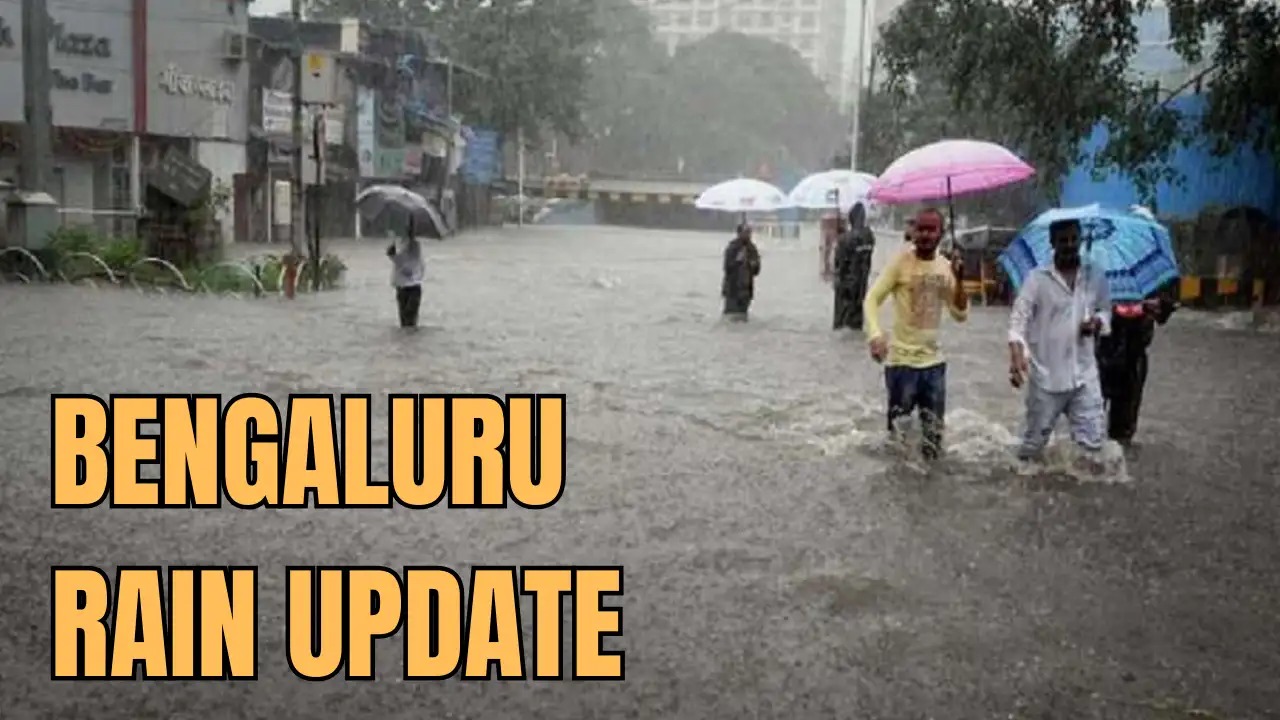
Bengaluru is currently experiencing an intense spell of rainfall, significantly surpassing earlier forecasts and leaving residents and authorities on alert. The city, known for its moderate monsoon patterns, has witnessed an unprecedented surge in rain in early September 2025, stirring concerns a...
Bengaluru is currently experiencing an intense spell of rainfall, significantly surpassing earlier forecasts and leaving residents and authorities on alert. The city, known for its moderate monsoon patterns, has witnessed an unprecedented surge in rain in early September 2025, stirring concerns about flooding, waterlogging, and disruptions. This newsletter provides a detailed breakdown of Bengaluru’s recent rainfall, weather forecasts, and its impact, answering the pressing question: Has Bengaluru really received four times more rain than initially predicted?
Surge in Rainfall: The Unexpected Monsoon Intensity
Contrary to the India Meteorological Department’s (IMD) initial forecast of approximately 20 mm of rainfall for the first half of September, Bengaluru has already recorded between 60 to 85 mm in just the first week. This volume is roughly three to four times the expected amount, marking a significant deviation that has strained the city’s drainage and infrastructure systems.
Key highlights from the rainfall data and reports include:
Bengaluru’s rainfall between September 1 and 7 ranged from 60 to 85 mm, against the forecast 20 mm for the entire first half of the month.
Several parts of the city, including Vidyapeeta, Kengeri, and Rajarajeshwarinagar, received heavy spells with 30+ mm rainfall in short durations.
Waterlogging incidents have been reported in low-lying areas, causing disruption to traffic and daily commutes.
IMD issued yellow alerts for light to moderate rain and thunderstorms expected to continue across the week.
Temperatures ranged between 19.5°C and 28.1°C, accompanied by moderate humidity (around 72%) and gentle winds, creating cool and wet conditions.
Weather Forecast: More Rain on the Horizon
The monsoon patterns over Bengaluru are not expected to relent soon. The IMD’s ongoing forecast suggests persistent patchy rains and occasional heavier spells through mid-September, with chances of thunderstorms in some areas.
Residents should anticipate:
-
Continued light to moderate showers interspersed with brief heavy rain episodes.
-
Temperature fluctuations that will keep days mild and evenings cool.
-
Potential challenges related to water accumulation and traffic congestion, especially during peak hours.
-
Monitoring of air quality, which has improved recently due to rainfall but may be impacted locally by waterlogging and vehicular emissions.
Impacts on Urban Life and Infrastructure
-
The unexpected rainfall volume has led to several issues for Bengaluru’s residents and local governance:
-
Flooded roads and pockets of water stagnation leading to slowed traffic and commuter inconvenience.
-
Increased risk of water contamination and mosquito breeding due to stagnant pools in affected areas.
-
Strain on drainage maintenance teams and heightened civic calls for quicker remediation and infrastructure upgrades.
-
Potential delays and disruptions in outdoor activities, construction projects, and public transport schedules.
Authorities have urged citizens to exercise caution, avoid waterlogged routes, and report drainage blockages promptly. Municipal bodies are working round the clock to manage the situation and ensure swift clearance of accumulated water.
Reasons Behind the Higher-than-Expected Rainfall
Meteorologists suggest several factors contributing to Bengaluru’s unseasonal heavy rains:
-
A low-pressure system over the Bay of Bengal near the Andhra Pradesh-Odisha coast is drawing moisture-laden winds towards Karnataka.
-
Cyclonic circulations and trough lines close to Bengaluru have intensified localized rainfall spells.
-
Changes in monsoon patterns influenced by global climatic shifts may be altering traditional rainfall timings and intensities.
These climatic dynamics have complicated forecasting efforts, making actual rainfall volumes harder to predict accurately.
How Residents Can Prepare and Stay Safe
With rains set to continue, Bengaluru’s population is advised to stay informed and take precautionary measures:
-
Use reliable weather apps and government advisories to track evolving conditions.
-
Carry umbrellas or raincoats when venturing outdoors.
-
Exercise caution driving through waterlogged or slippery roads.
-
Keep emergency numbers handy and assist vulnerable neighbors during heavy rainfall periods.
-
Optimize water drainage by ensuring clean gutters and avoiding dumping refuse in drains.
Conclusion: Bengaluru’s Rain Showers Spotlight Urban Resilience Needs
The current spell of rainfall, far exceeding forecast expectations, underscores the challenges Bengaluru faces as a fast-growing urban center vulnerable to climate variability. While the monsoon brings welcome relief from summer heat, it also exposes infrastructure fragilities and demands adaptive planning.
Bengaluru’s experience this September serves as a call to authorities and citizens alike to build better drainage systems, improve real-time weather forecasting, and enhance community preparedness for extreme weather events. As the city braces for more rain in the coming days, the collective effort will define Bengaluru’s resilience and quality of urban life.
Sources: Times of India, India Meteorological Department, Free Press Journal, The Daily Jagran, Namma Karnataka Weather Twitter