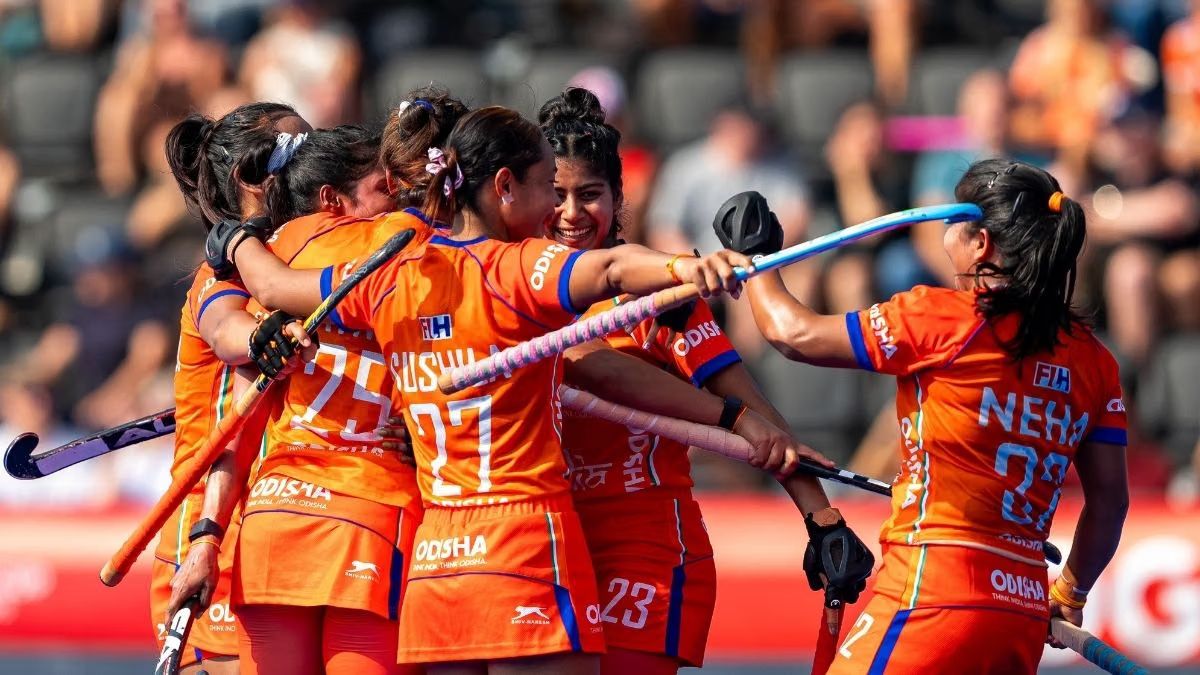
Veteran coaches and former captains have raised concerns over Indian hockey's heavy reliance on brief franchise leagues, arguing that a potential pool of 150 elite players requires robust year-round domestic tournaments. Experts emphasize that continuous competitive exposure across rural heartlands is essential to sustain grassroots talent and secure long-term international success.
Backed by expert commentaries from legendary mentors and former captains, national sports stakeholders are urging a return to continuous, year-round domestic competition structures.
As Indian hockey continues to celebrate milestone performances on the international stage—including notable finishes at recent FIH World Cups and continental tournaments—veteran tacticians and former national skippers have issued a compelling call to action regarding domestic sports infrastructure. According to comprehensive sports policy evaluations and statements released in early September 2026, India possesses a thriving underground talent reservoir featuring at least 150 elite-tier players hidden across the rural heartlands of Punjab, Haryana, Odisha, Jharkhand, Manipur, and Mizoram.
However, sports administrators warn that confining top-tier athletes solely to short, high-profile franchise windows starves the broader domestic ecosystem of competitive frequency, leaving regional talent pools under-tested and under-visible.
Evaluating Grassroots Pipelines, Franchise Limits, and Veteran Insights
Structuring a sustainable pathway from dusty regional pitches to international stadiums requires examining how other leading hockey nations manage their competitive calendars. According to official sports analyses and veteran testimonies, key structural concerns include:
The Talent Attrition Rate: Industry observations indicate that only a fraction of raw rural talent successfully surfaces through official channels due to the absence of consistent sub-junior and junior domestic circuits outside state-sponsored camps.
Limitations of Short Franchise Windows: While commercial franchise leagues provide critical financial security and broadcast visibility, veterans argue they function like a game of chance, restricting top athletes to brief annual appearances rather than fostering continuous match readiness.
Lessons from Legendary Stables: Renowned Dronacharya awardees, such as late mentor Baldev Singh, historically built sustainable pipelines by feeding local players into continuous regional and national age-group tournaments.
Decentralized Funding Models: Sports economists advocate for routing corporate social responsibility (CSR) funds and forging public-private partnerships directly into district-level associations to finance year-round tier-2 and tier-3 city calendars.
Why It Matters
The practical implications of expanding India's domestic hockey calendar reach far beyond elite podium finishes, impacting youth development, regional sports tourism, and socio-economic mobility. For young aspirants in remote villages across Odisha, Jharkhand, and the Northeast, seeing established idols compete live in local tournaments rather than solely through pixelated television screens transforms athletic aspirations into tangible reality. For the national selection panel, a dense network of domestic fixtures ensures that emerging talents like Sunelita Toppo, Baljeet Kaur, and goalkeeper Bichu Devi receive continuous tactical testing, safeguarding the nation against sudden performance drop-offs between major global cycles.
Key Facts at a Glance
Estimated Elite Pool: At least 150 top-tier players scattered across rural heartlands in Punjab, Haryana, Odisha, Jharkhand, and the Northeast.
Core Structural Flaw: Heavy reliance on short, isolated franchise windows rather than a comprehensive, year-round domestic calendar.
Proposed Solution: Decentralized public-private partnerships and CSR funding to establish recurring regional tournaments.
Target Beneficiaries: Tier-2 and tier-3 city youth gaining direct exposure to national-level competition.
FAQ Section
Why do experts argue that 150 elite players need domestic tournaments?
While franchise leagues offer financial benefits for top-tier stars, they limit match frequency. A robust domestic calendar ensures continuous testing, visibility, and development for a broader pool of 150 elite athletes across India.
Which regions serve as the primary nurseries for Indian field hockey?
Key talent pipelines originate from rural pockets in Punjab, Haryana, Odisha, Jharkhand, Manipur, and Mizoram.
How do short franchise leagues impact grassroots player development?
Brief commercial windows restrict top players to a few weeks of high-level competition annually, denying regional aspirants the opportunity to compete against and learn from national idols.
Where can official updates on national hockey schedules and domestic calendars be accessed?
Official tournament schedules, policy frameworks, and grassroots development updates are published regularly on the Hockey India Official Portal.
Source: ThePrint Opinion Archives, Hockey India Portal, International Hockey Federation (FIH), Olympics.com Hockey Desks