




Loading market data...
ADVERTISEMENT

Latest Top News
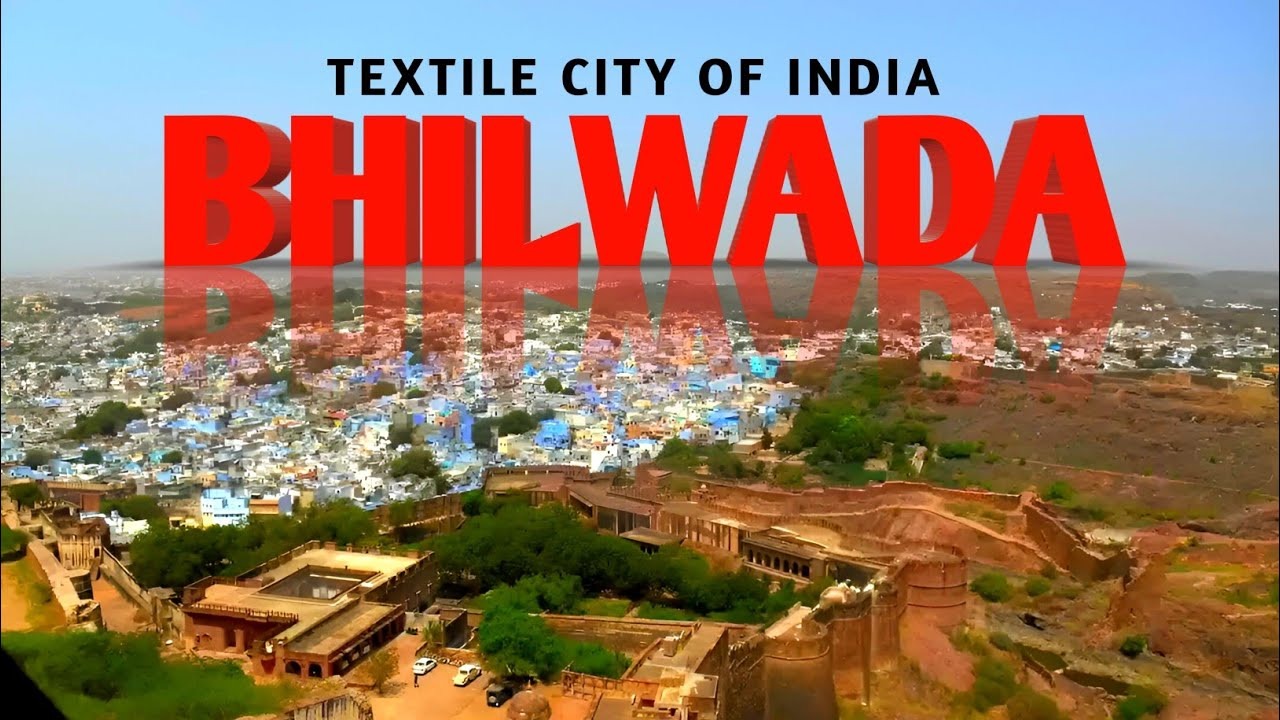
Bhilwara’s Textile Ecosystem Under Pressure As Overseas Demand Softens
Bhilwara’s textile industry, known as India’s “textile city,” is grappling with severe challenges as geopolitical tensions disrupt key trade routes. Export shipments worth nearly ₹1,000 crore to Gulf and European markets are stalled, raising concerns for over 2 lakh workers and 450 textile units in Rajasthan’s industrial hub.
Stay Ahead – Explore Now! John Lithgow Secures Historic Leading Actor Victory at 2026 Tony Awards
ADVERTISEMENT

Latest Updates

Jharkhand Secures GI Tags for Bhagaiya Silk and Tr...
15 Jun 2026, 02:24 PM
Reel Deal: Mumbai International Film Festival 2026...
15 Jun 2026, 10:07 PM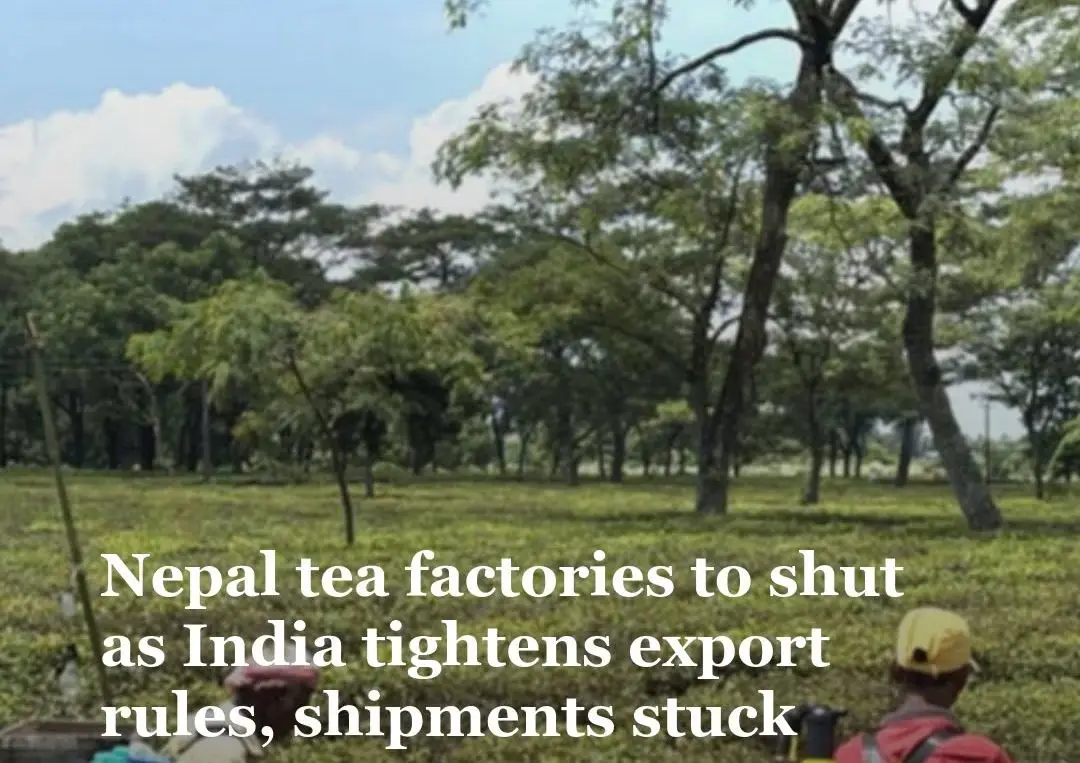
Nepal Tea Trade: Factories Shut Down Over India’s...
15 Jun 2026, 10:03 PM
Motorola’s Foldable Fold-Off: Which New Razr Fits...
15 Jun 2026, 09:59 PM
Pink Wins: Kareena Kapoor Steals the Show in Banar...
15 Jun 2026, 09:56 PMADVERTISEMENT

Top Stories
Jharkhand Secures GI Tags for Bhagaiya Silk and Tr...
15 Jun 2026, 02:24 PM
Reel Deal: Mumbai International Film Festival 2026...
15 Jun 2026, 10:07 PM
Nepal Tea Trade: Factories Shut Down Over India’s...
15 Jun 2026, 10:03 PM