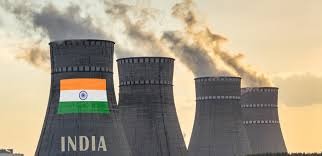
India has set the stage for an unprecedented transformation of its nuclear energy landscape, unveiling plans to welcome private companies into a sector long reserved for the state. In a bid to supercharge its nuclear ambitions and ensure clean, reliable energy for years to come, the government ai...
India has set the stage for an unprecedented transformation of its nuclear energy landscape, unveiling plans to welcome private companies into a sector long reserved for the state. In a bid to supercharge its nuclear ambitions and ensure clean, reliable energy for years to come, the government aims to radically boost uranium supply, unlock investments, and meet national climate targets—all by leveraging the ingenuity and resources of private enterprise.
Key Highlights of the Private Sector Nuclear Push
India will soon permit private firms to mine, import, and process uranium, marking the end of a decades-old state monopoly in these domains. The policy shift is expected to attract billions in investment and bolster nuclear power output to twelve times its current capacity by 2047.
With this move, private companies may also be allowed to supply critical control system equipment to nuclear power plants, while foreign firms will be able to acquire minority stakes in Indian nuclear projects.
The government will, however, retain oversight of sensitive functions such as reprocessing of spent fuel and management of plutonium waste, in line with global safety and security practices.
The new policy framework, anticipated to be publicly rolled out in the current fiscal year, will necessitate amendments to at least five major laws, such as those governing mining, electricity, and foreign direct investment.
Why Now? Addressing Supply and Climate Imperatives
India’s nuclear sector currently operates with about 76,000 tonnes of uranium reserves—sufficient to fuel 10,000 megawatts of nuclear capacity for three decades. However, experts point out these reserves will only meet a fraction (about one-fourth) of the planned expansion, requiring substantial imports and increased domestic processing capability.
The Narendra Modi-led government aspires for nuclear energy to supply at least 5% of India’s total power needs within the next two decades, aligning national strategies with Paris Agreement climate targets and the commitment to 500 GW of non-fossil energy generation by 2030.
The domestic policy reform also mirrors global best practices from countries like the United States, Canada, and South Africa, where private entities already play a key role in uranium mining and processing.
Framework for Private-Driven Expansion
This bold initiative is multifaceted, including:
Legislative reforms to the Atomic Energy Act and the Civil Liability for Nuclear Damage Act, clearing hurdles to private and foreign investment while maintaining national security considerations.
An INR 20,000 crore Nuclear Energy Mission to accelerate research and development in Small Modular Reactors (SMRs), with a target of five indigenously-developed SMRs operational by 2033.
The introduction of Public-Private Partnerships (PPPs) in the creation and operation of nuclear facilities, with private players expected to provide land, resources, and capital, while state-run NPCIL remains responsible for design, operations, and regulatory compliance.
Incentive mechanisms such as viability gap funding and sovereign guarantees to attract major conglomerates and expedite project off-take.
Opportunities and Challenges for Private Participation
Participation of private firms is expected to inject capital, foster technological innovation, and improve cost efficiency. Greater involvement can also reduce project delays and help India rapidly expand nuclear power generation.
Several Indian conglomerates and prominent foreign firms have signaled investment interest, recognizing the scale and strategic importance of the market.
Nonetheless, challenges remain: ensuring robust regulatory oversight, managing public perception around nuclear safety, addressing complex liability issues, and harmonizing legal frameworks for seamless private engagement.
The government, in collaboration with expert panels and key stakeholders, is drafting the rules of engagement to ensure a safe, transparent, and economically viable ecosystem for private partners.
Looking Ahead
India’s pivot to private sector participation in nuclear power marks not just an economic reform, but a vital leap toward cleaner, reliable energy and long-term energy security. With the regulatory blueprint being finalized, stakeholders anticipate the launch of new investment platforms and collaborative ventures later this year, catalyzing a new chapter in India’s nuclear and energy future.
Source: Business Standard, Republic World, Reuters, World Energy News, PIB India, IndBiz, Deccan Herald