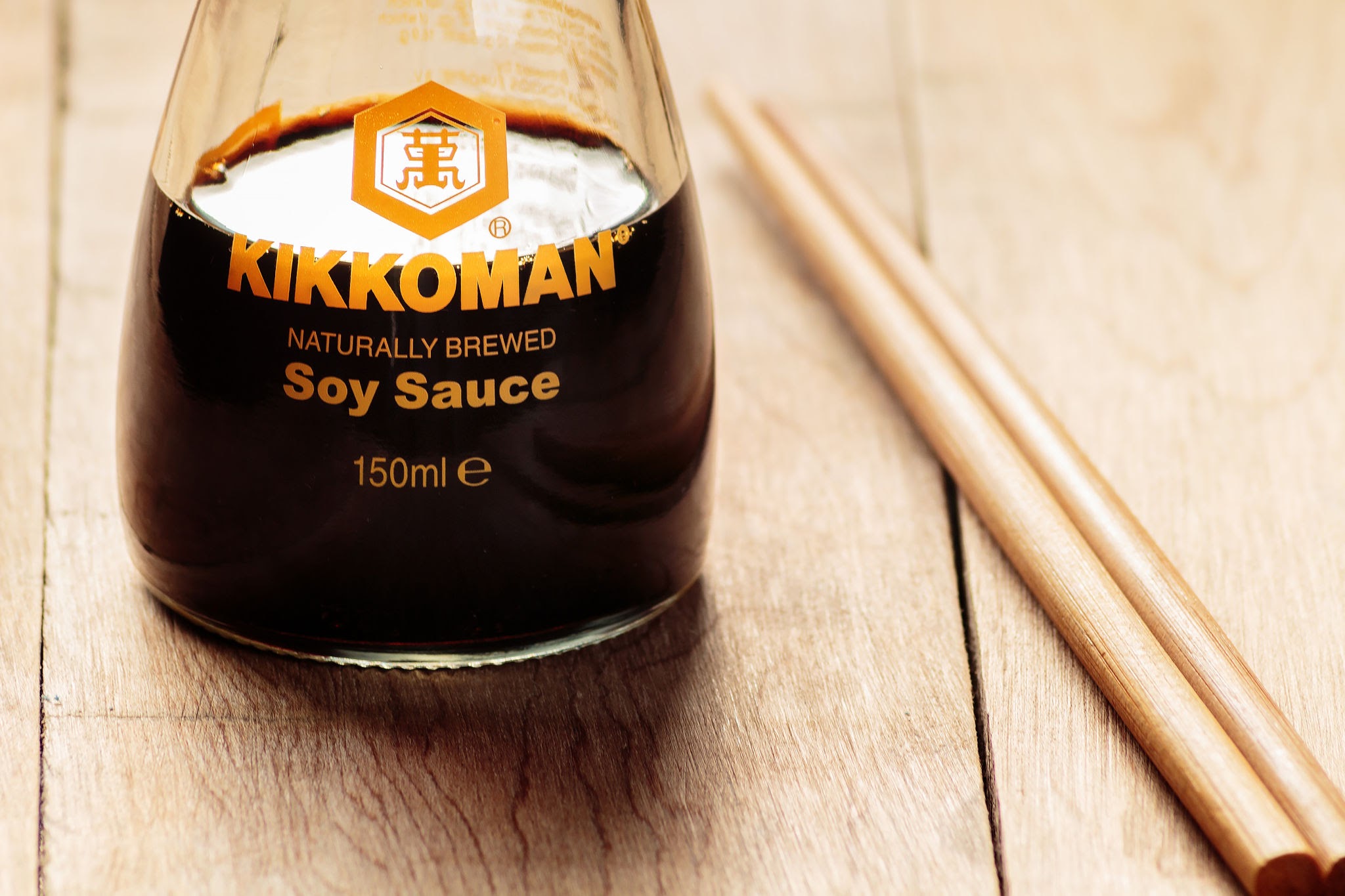
Japan’s Kikkoman Corporation is planning to construct its very first manufacturing facility in India, according to an announcement by President and CEO Shozaburo Nakano. The major expansion highlights a strategic push into the world's most populous market, capitalizing on rapid FMCG sector growth and an surging regional demand for soy sauce.
TOKYO - Japan’s premier soy sauce producer, Kikkoman Corporation, officially plans to establish its first manufacturing plant in India. The strategic move was confirmed by Kikkoman President and Chief Executive Officer Shozaburo Nakano during a recent media briefing reported by the Nikkei newspaper. The establishment of a domestic factory marks a major shift from an import-dependent sales model to direct localized production, aiming to capture a larger market share in South Asia's rapidly expanding fast-moving consumer goods (FMCG) market.
Strategic Shift to Localized Production
The decision to build a specialized factory comes roughly five years after the company entered the Indian market. Kikkoman initially established its wholly-owned subsidiary, Kikkoman India Private Limited, in early 2021 to pilot its brand across major metropolitan hubs. Prior to this manufacturing announcement, the company relied entirely on importing finished products to supply local hospitality, restaurant, and retail sectors.
By moving production directly to India, the Tokyo-listed company aims to optimize supply chains and combat standard import tariffs, allowing for highly competitive pricing structures. The upcoming plant will specialize in manufacturing its flagship naturally brewed soy sauce alongside a localized range of Asian sauces tailored explicitly for Indian culinary preferences.
Capturing an Expanding Consumer Base
According to industry analysts, Japanese condiment makers are increasingly looking beyond their saturated domestic markets to sustain long-term business volumes. India's rising middle class, urbanizing population, and increasing affinity for pan-Asian and fusion global cuisines offer a lucrative runway for corporate development.
The company joins a growing cluster of major Japanese food manufacturers seeking deep supply chain integration in the country. For instance, fellow Japanese enterprise Kagome Co., a leading tomato processor, has concurrently announced plans to scale up its local sourcing across India to support commercial pizza sauce manufacturing.
While the exact capital expenditure, capacity projections, and location for the new facility have not yet been disclosed by executive leadership, the transition points to a permanent presence. Company representatives previously indicated that direct production transitions would trigger as soon as local sales volumes reached commercial milestones.
Official Sources Section
The corporate development was confirmed via an executive interview published by the Nikkei, alongside supplemental market regulatory tracking on the Tokyo Stock Exchange under ticker symbol TYO: 2801. Operational frameworks align with past market entry strategies outlined by regional directors through corporate profiles issued by Kikkoman Corporation.
Executive Statements
"As our sales volumes in India are expected to grow rapidly to meet rising demand, we hope to shift production to India when the timing is right," stated Harry Hakuei Kosato, Director and India Representative for the company, during the original market entry.
According to company officials, the long-term operational commitment to India is envisioned to span decades, treating the country as a primary anchor for overall Asian geographic growth outside of Japan.
Why It Matters
For Indian consumers and culinary businesses, local manufacturing guarantees greater product availability and more affordable retail price points for high-quality condiments. For global investors and market analysts, Kikkoman’s manufacturing expansion highlights a broader structural trend where multinational food processing companies are pivoting capital infrastructure directly into India to capture high-velocity consumer spending.
Key Facts at a Glance
First Physical Facility: This project marks the brand's first actual manufacturing asset inside India since its market entry.
Corporate Governance: The announcement was formally delivered by current global President and CEO Shozaburo Nakano.
Ticker Symbol: Kikkoman Corporation trades publicly under Tokyo Stock Exchange identifier 2801.T.
Core Product Focus: The new asset will explicitly secure localized volumes of naturally brewed soy sauce and Asian seasonings.
Frequently Asked Questions (FAQ)
What is Kikkoman planning to build in India?
The company is planning to construct its first domestic food processing and manufacturing plant within India to brew soy sauce and produce regional condiments locally.
Why is the company moving away from importing?
Transitioning to a domestic factory layout minimizes heavy logistics friction, avoids international import duties, and allows the brand to react much faster to shifting retail and restaurant demands.
When did Kikkoman first enter the Indian market?
The brand established its formal subsidiary, Kikkoman India Private Limited, in February 2021, initially distributing premium sauces to luxury restaurants and Tier-1 metropolitan markets via imports.
Source:
Reporting via Nikkei Newspaper (Japan)
Corporate Investor Relations: Kikkoman Corporation Global Hub
Market Regulatory Filing Data via Tokyo Stock Exchange (Symbol: 2801)