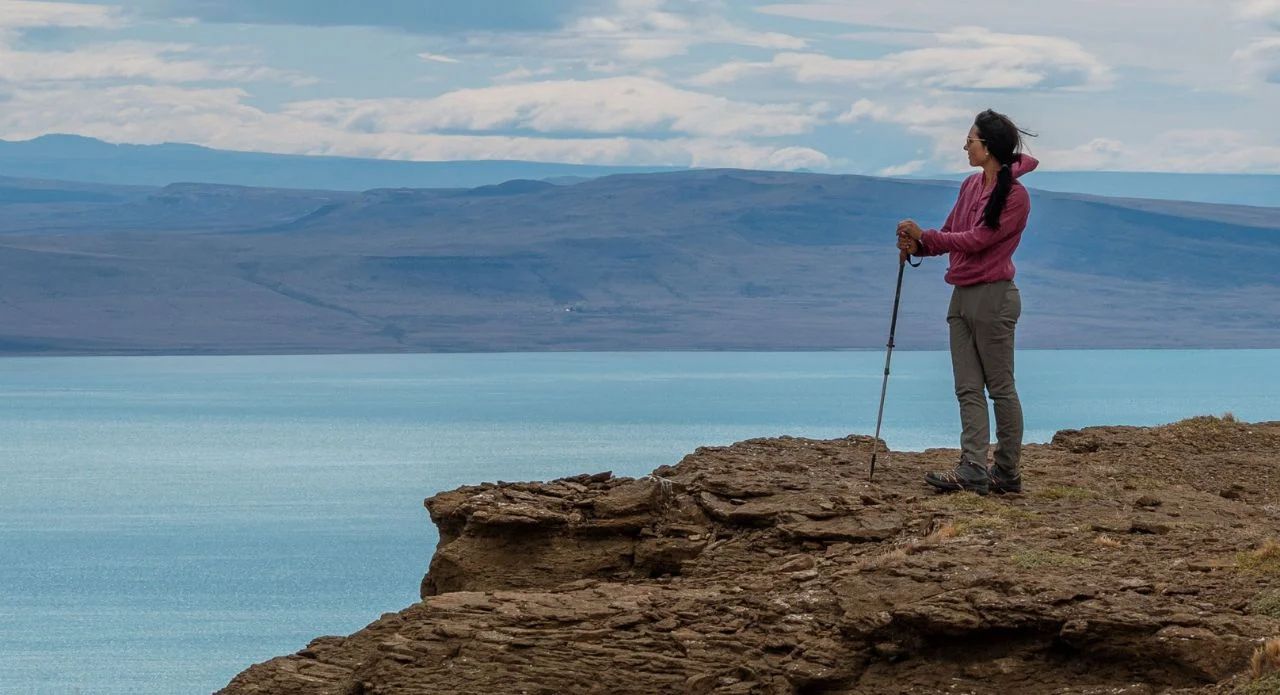
Market data reveals that luxury travellers in 2026 are actively swapping extreme thrills for quiet adventure and soft exploration. Spurred by digital burnout, this behavioral shift has forced premium hospitality networks to re-engineer their infrastructure, trading high-density attractions for ultra-exclusive, low-impact sanctuaries that prioritize acoustic silence and deep natural restoration.
BENGALURU, India — According to data published in the global hospitality sector's mid-year structural analysis on Tuesday, June 16, 2026, premium consumers are actively abandoning aggressive, adrenaline-heavy itineraries in favor of a trend known as quiet adventure or soft exploration. The widespread consumer shift has pushed luxury resort operators and wilderness outfitters across major travel markets to overhaul their experiential portfolios. High-net-worth individuals (HNWIs) are prioritizing sensory decompression, acoustic preservation, and unhurried natural immersion over conventional high-octane expeditions, creating an unprecedented market for upscale wellness and low-impact exploration.
The Pivot From Extreme Thrills to Sensory Solace
Market data released by independent global travel consultancies reveals a fundamental behavioral change among premium holiday planners throughout the first half of 2026. For the past decade, high-end travel agencies prioritized intensive, boundary-pushing challenges—such as high-altitude scaling, extreme polar crossings, and intensive multi-city itineraries. However, corporate research portfolios demonstrate that consumer fatigue and digital overstimulation have triggered a reaction.
Elite demographics are now paying premium rates for structural silence and spatial isolation. This manifest shift toward soft exploration focuses on low-impact, physically accessible activities that foster a deeper psychological connection with local ecosystems. Rather than checking off crowded landmarks or conquering hazardous terrain, travelers are seeking out destinations where the primary asset is undisturbed natural tranquility.
Hospitality Networks Redesign Properties for Stillness
The financial implications of this quiet adventure macro-trend have prompted immediate, tangible structural investments from major international hospitality conglomerates and elite eco-lodges. Companies are actively pivoting away from high-density entertainment infrastructure, focusing instead on lower keys-per-acre ratios to ensure complete customer isolation.
According to regional business reports, international hotel networks are investing heavily in acoustic engineering, natural architecture, and specialized private guiding services. From the newly opened secluded properties along Saudi Arabia’s pristine coastlines to the unhurried, glass-fronted wilderness sanctuaries hidden away in the Finnish Lapland, operators are designing real estate specifically to filter out external world friction.
Economic and Consumer Impacts Across the Travel Market
The demand for soft exploration is reshaping local economies and high-end services. Travel specialists indicate that premium consumers are extending their trip lengths significantly while reducing the number of distinct destinations visited per holiday. This "slow travel" methodology alters the distribution of premium capital, favoring highly isolated boutique estates over urban luxury hubs.
Furthermore, this shift creates a major financial opening for boutique travel planners who cultivate hyper-localized, sustainable partnerships. By prioritizing low-impact community interactions, culinary tracking, and slow marine drifting over traditional disruptive tourism, operators are building a more resilient, high-margin revenue model that preserves the host environment.
Official Sources Section
The consumer trends and industry expenditure metrics documented in this report are compiled based on operational statements from the World Travel & Tourism Council (WTTC), strategic hospitality indices from Four Seasons Hotels and Resorts, market analysis papers published by the Association of British Travel Agents (ABTA), and regional infrastructure releases from the Ministry of Tourism (India).
Quote Section
"According to officials mapping luxury consumption patterns, the modern elite traveler no longer views luxury as an accumulation of material touchpoints or high-status, chaotic itineraries," stated a senior luxury travel strategist. "True luxury in 2026 has officially evolved into an acquisition of time, space, and literal acoustic quietude."
"Organizers stated that luxury bookings for remote, low-density wilderness reserves have grown by more than 40 percent year-on-year, while group-oriented luxury sightseeing tours have seen a corresponding decline in spending."
Why It Matters
For high-earning professionals and consumers, the rise of quiet adventure provides a highly effective antidote to chronic professional burnout and hyper-connected lifestyles. For conservation groups and regional wilderness communities, this macro-trend generates sustainable, high-yield revenue streams that incentivize the direct preservation of natural ecosystems and acoustic soundscapes, proving that a forest left completely quiet is vastly more valuable than one developed for mass commercial entertainment.
Key Facts at a Glance
The Soft Shift: Premium travelers are systematically replacing high-stress, extreme sports vacations with restorative, low-impact soft exploration.
Property Overhauls: Major global luxury chains are reducing guest density and designing minimalist architecture centered around structural quiet.
Economic Footprint: Travelers are booking longer stays at single, remote destinations, channeling premium capital directly into local preservation efforts.
Acoustic Value: Pristine natural silence has officially surpassed material amenities as the most expensive commodity in the luxury travel segment.
FAQ Section
1. What is the difference between an extreme adventure and a quiet adventure?
Extreme adventures rely on high-intensity, physically grueling activities like ice-climbing or rapid multi-city transit. A quiet adventure concentrates on unhurried, restorative outdoor movement—such as slow-water river kayaking, acoustic tracking, or private wilderness star-gazing—where personal decompression is the principal objective.
2. Why is soft exploration gaining traction among travelers in 2026?
The rise of soft exploration is a direct response to global digital saturation and widespread corporate burnout. Travelers are intentionally seeking out isolated locations to unplug from communication networks and reset their nervous systems through quiet exposure to nature.
3. How are luxury hotels modifying their services to fit this trend?
Hotels are lowering their overall room counts, creating dedicated phone-free zones, removing artificial noise pollution, and offering highly personalized, private excursions that allow guests to explore natural surroundings completely separate from tourist crowds.
Source: World Travel & Tourism Council (WTTC), Four Seasons Tented Camp Golden Triangle, and hospitality data monitored by The Hindu BusinessLine.