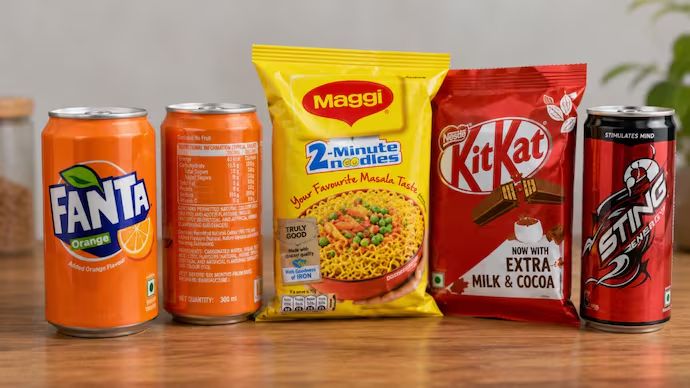
India’s food safety regulator has dropped plans for interpretive, color-coded front-of-pack nutritional warnings following intense lobbying by multinational food and beverage giants. The decision, now under Supreme Court scrutiny, shifts requirements to basic black-and-white tables, sparking intense debate over public health and rising obesity rates nationwide.
Backed by official regulatory filings and institutional records, India’s food safety authority has abandoned its push for color-coded front-of-pack warnings after sustained resistance from multinational conglomerates.
Shifting Stances on Front-of-Pack Labeling
Efforts to reform nutritional transparency across India's packaged food sector have encountered major regulatory roadblocks. According to official disclosures and investigative reporting published via The Economic Times and Business Standard, the Food Safety and Standards Authority of India (FSSAI) formally retreated from its earlier proposal to introduce prominent, interpretive color-coded warnings on the front of food and beverage packaging.
The regulatory reversal follows a tense March 2026 consultative meeting between senior agency officials and major industry executives. While public health advocates and judicial bodies had pushed for clear red-and-green warning symbols—similar to systems adopted by roughly 20 nations worldwide—the regulator shifted course, proposing standard black-and-white nutritional tables instead.
Corporate Pushback and Regulatory Concessions
The debate centers on how warning labels would impact consumer behavior and corporate profitability across India's expanding packaged goods market. According to official records and meeting transcripts reviewed by Reuters, industry representatives argued vigorously against interpretive warning flags:
Effectiveness Arguments: Senior executives, including representatives from Coca-Cola India, asserted that front-of-pack icons were "very simplistic" and unlikely to alter habitual consumer choices among those who do not routinely read ingredient lists.
Market Impact Concerns: Industry bodies such as the Indian Food & Beverage Association (IFBA), representing firms like PepsiCo, warned that up to 80 percent of packaged products could trigger red warning flags due to naturally occurring sugars or baseline ingredients.
Alternative Approaches: Industry stakeholders urged regulators to focus primarily on consumer portion control and education rather than mandatory front-of-pack symbols.
Formulation Discrepancies: Public health researchers highlighted that multinational corporations frequently utilize stricter warning labels in overseas markets like Europe while maintaining looser disclosure formats for identical brand formulations sold domestically.
Why It Matters
The practical implications of weakening front-of-pack labeling mandates directly affect millions of consumers navigating diet-related health challenges. With recent studies projecting that up to 450 million Indians could be overweight or obese by 2050, the absence of clear, interpretive warnings limits shoppers' ability to quickly identify high levels of sugar, salt, and fat, leaving public health outcomes vulnerable to corporate lobbying pressure.
Key Facts at a Glance
Regulatory Shift: FSSAI dropped plans for color-coded front-of-pack warnings in August 2026.
Alternative Standard: Regulators proposed standard black-and-white nutrition tables instead of interpretive symbols.
Judicial Scrutiny: The Supreme Court intervened following petitions filed by public health advocates.
Health Stakes: Estimates indicate up to 450 million individuals in India could face obesity or overweight risks by 2050.
FAQ Section
Why did the FSSAI drop its proposal for color-coded food labels?
The regulator abandoned color-coded front-of-pack warnings following intense lobbying and a tense March consultation meeting with food industry executives who argued the labels were confusing.
What type of nutritional labeling is currently proposed in India?
Instead of interpretive red-and-green symbols, the regulator has proposed that companies display standard black-and-white tables detailing sugar, fat, and salt content.
How are courts responding to the regulatory change?
The Supreme Court is actively scrutinizing the decision after public health activists filed petitions challenging the withdrawal of stricter warning standards.
Where can citizens review official food safety guidelines and regulatory drafts?
Official notifications, safety standards, and public consultations are published regularly via the Official FSSAI Portal.
Source: The Economic Times, Business Standard, India Blooms, FSSAI Portal