




Loading market data...
ADVERTISEMENT

Latest Top News
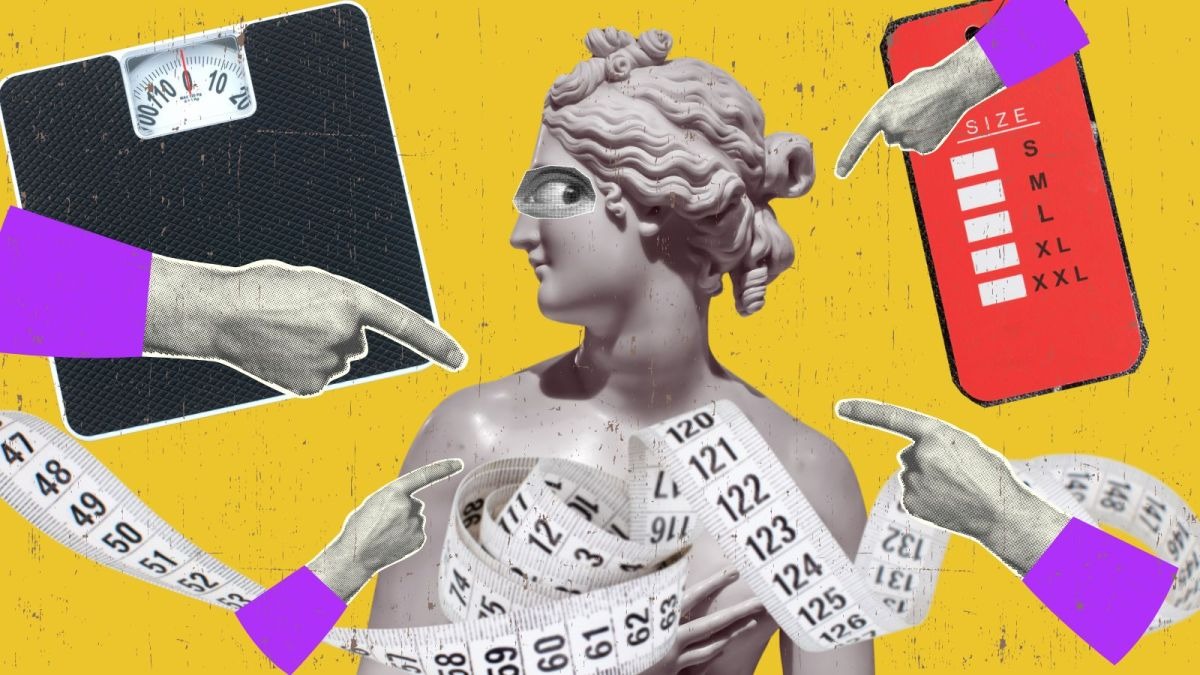
Breaking free from the thin ideal: Reclaiming body narratives this Eid of self-acceptance
The cultural myth of “thinness as virtue” has long shaped oppressive internal scripts, reinforcing unrealistic beauty standards. As conversations around body positivity gain momentum, dismantling this narrative allows individuals to embrace diverse body types, rewrite self-worth beyond size, and challenge systemic pressures rooted in media and societal conditioning.
Stay Ahead – Explore Now! ADNOC Issues Third Crude Tender in June Amid Market Volatility
ADVERTISEMENT

Latest Updates

Global Markets Surge Higher in Pivotal Pre-Market...
16 Jun 2026, 07:57 AM
Tokenomics 2.0 Frameworks Deployed to Battle Risin...
16 Jun 2026, 07:48 AM
Siri AI in iOS 27 Introduces Onscreen Awareness an...
16 Jun 2026, 06:20 AM
FOMO TO FMA - Global Uncertainty Meets Indian Opti...
16 Jun 2026, 06:53 AM
Starlink New Satellite Tech Hits India National Se...
16 Jun 2026, 06:14 AMADVERTISEMENT

Top Stories
Global Markets Surge Higher in Pivotal Pre-Market...
16 Jun 2026, 07:57 AM
Tokenomics 2.0 Frameworks Deployed to Battle Risin...
16 Jun 2026, 07:48 AM
Siri AI in iOS 27 Introduces Onscreen Awareness an...
16 Jun 2026, 06:20 AM