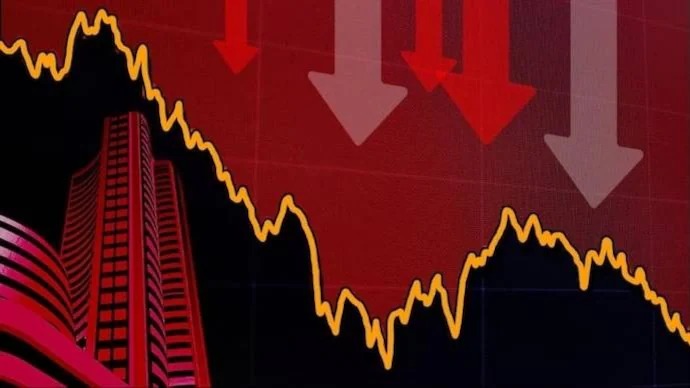
The BSE Sensex and Nifty 50 slumped on July 13, 2026, as geopolitical tensions between the US and Iran triggered a sharp rise in crude oil prices. Investors reacted to concerns over energy supply disruptions in the Strait of Hormuz, resulting in a broad-based sell-off across Indian benchmark indices.
Indian equity benchmarks faced a sharp downturn on Monday, July 13, 2026, as escalating US-Iran conflict fears pushed global oil prices higher and dampened investor sentiment.
MUMBAI — The Indian stock market opened with a significant gap-down on Monday, July 13, 2026, as regional benchmarks reacted to heightening geopolitical instability in the Middle East. The 30-share BSE Sensex plummeted over 600 points in early trade, reflecting widespread risk aversion among institutional and retail investors.
The market decline follows a weekend of intense reports regarding missile and drone exchanges between the United States and Iran, which included claims regarding the closure of the Strait of Hormuz. The resulting uncertainty sent global crude oil benchmarks soaring past $79 per barrel, raising immediate concerns about inflation, corporate operating margins, and the fiscal impact of higher energy import costs on the Indian economy.
Broad-Based Market Sell-Off
The weakness was broad-based, with investors exiting positions across both large-cap and mid-cap segments. According to data from the National Stock Exchange, the Nifty 50 index also faced heavy selling pressure, dipping below the 24,050 level during the initial hours of trading.
Sectoral indices were uniformly impacted, with Nifty Auto, Nifty Metal, and Nifty FMCG trading significantly in the red. Market breadth was notably bearish, with exchange data showing that nearly 1,750 stocks declined while only about 900 advanced in early sessions.
The Oil Price Catalyst
The primary driver of the market’s negative sentiment is the surge in global oil prices. Brent crude, the global benchmark, climbed approximately 4% in early trading following reports of damage to border centers and offshore drilling platforms in the Gulf region.
Financial analysts observe that for an oil-importing nation like India, sustained high prices for crude oil translate into a widening trade deficit and potential inflationary pressures that could influence the Reserve Bank of India’s future monetary policy.
Market Outlook and Investor Strategy
Despite the morning rout, some pockets of resilience were observed in defensive sectors. The Nifty IT index, often utilized as a hedge during periods of global instability, saw buying interest as investors prioritized companies with dollar-denominated earnings.
"According to officials," market participants are now bracing for heightened volatility throughout the week as global diplomatic efforts to stabilize the Strait of Hormuz unfold. Analysts continue to advise a cautious approach, focusing on companies with strong balance sheets and lower sensitivity to fuel costs until the geopolitical climate becomes more predictable.
Key Facts at a Glance
Sensex Performance: The BSE Sensex fell over 600 points in early trade, touching levels near 76,950.
Geopolitical Trigger: Escalating US-Iran tensions and the alleged closure of the Strait of Hormuz drove the market downturn.
Oil Prices: Brent crude surged nearly 4% to exceed $79 per barrel.
Market Breadth: Bearish sentiment prevailed, with significantly more stocks declining than advancing.
FAQ
Why are the Indian stock markets falling today?
Markets are reacting to a spike in geopolitical tensions in the Middle East, specifically reports of strikes between US and Iranian forces, which have caused crude oil prices to surge.
How do high oil prices impact the Indian stock market?
As India imports a significant portion of its crude oil, higher prices increase the national import bill, potentially leading to inflationary pressure and thinner profit margins for companies, particularly in the manufacturing and transport sectors.
Is it a good time to buy stocks?
Market analysts suggest caution. With the situation in the Middle East evolving rapidly, volatility is expected to remain high, and investors are advised to monitor further developments in oil markets and earnings reports before committing fresh capital.
Source: BSE India, National Stock Exchange (NSE), Reserve Bank of India, The Hindu