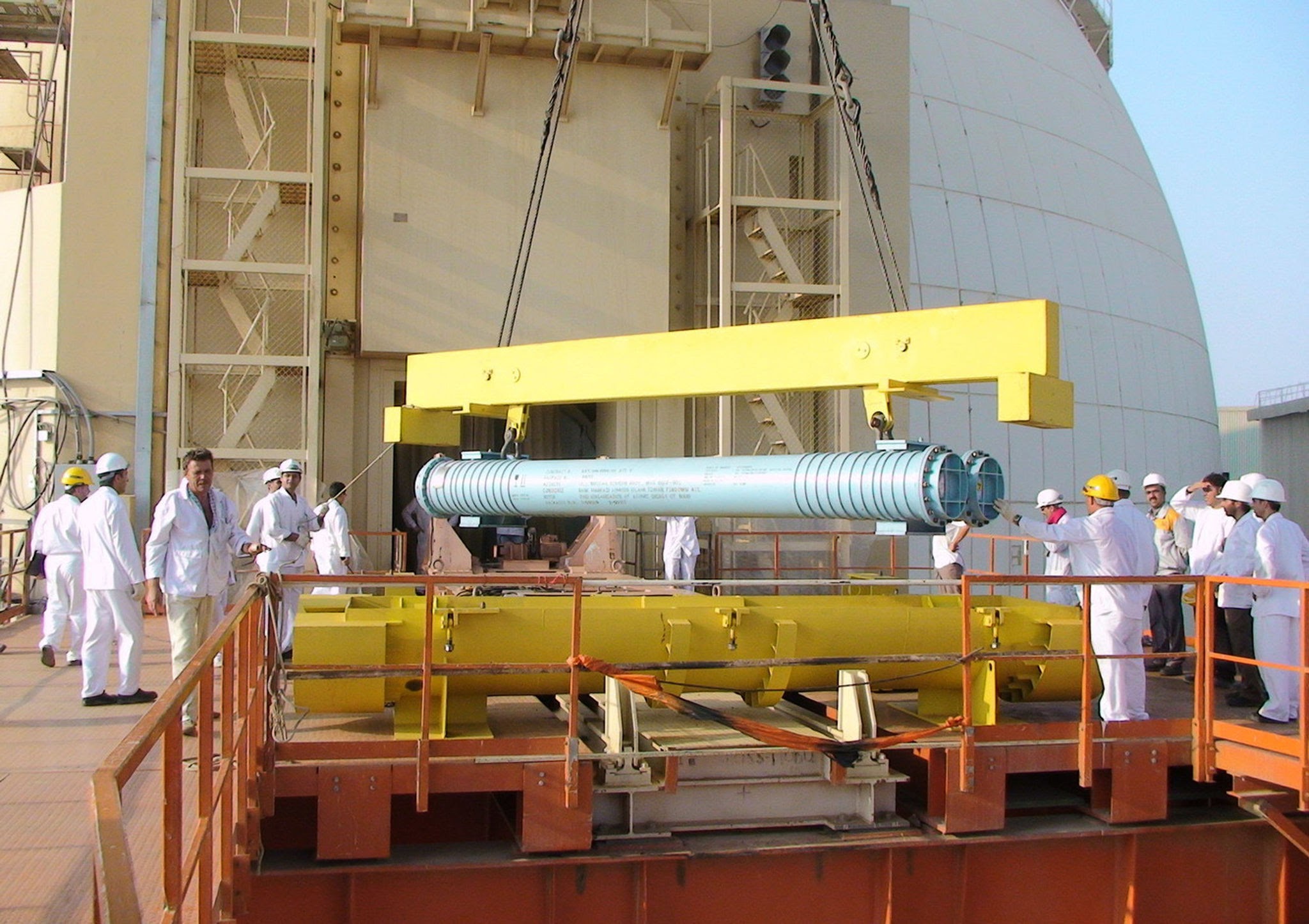
A parliamentary panel reported that India's future nuclear power fleet will require 5,400 tonnes of uranium oxide annually, while domestic production covers just 30 percent. The report urges accelerated domestic mining expansion, strategic stockpiling, and overseas asset acquisitions to meet the nation's 100 GW nuclear target by 2047.
NEW DELHI — India’s planned expansion of its nuclear power capacity could significantly increase its annual fuel requirements, with Pressurised Heavy Water Reactors (PHWRs) alone expected to require approximately 5,400 tonnes of uranium oxide annually. According to a report by the Parliamentary Committee on Public Undertakings presented in August 2026, domestic production currently satisfies only about 30 percent of this baseline requirement. The panel urged the government to accelerate domestic mining operations, build strategic fuel stockpiles, and secure long-term overseas supply deals to ensure national energy security.
Supply Deficit Pressures Fleet Expansion Goals
The Committee on Public Undertakings reviewed the operational performance of the Nuclear Power Corporation of India Limited (NPCIL) and highlighted India's ongoing dependence on international nuclear fuel imports. To support an expanded nuclear fleet capable of generating roughly 25 gigawatts of electric power (GWe) via PHWR technology, the annual demand for uranium oxide ($U_3O_8$, commonly known as yellowcake) is projected to reach 5,400 tonnes.
Currently, the Uranium Corporation of India Limited (UCIL)—the sole state entity mandated to mine and process domestic uranium ore—caters to roughly 30 percent of this total requirement. The parliamentary panel noted that without a rapid expansion in domestic output, India will remain exposed to international market fluctuations and geopolitical supply chain bottlenecks.
Domestic Resource Lifespan and Production Targets
India currently holds an estimated 4.31 lakh tonnes of established uranium oxide resources. Out of approximately 80,423 tonnes transferred to UCIL for active development, nearly 39.22 percent has already been depleted. Panel assessments indicate that at current depletion rates, existing active reserves could last approximately 40 years unless new mining sites are brought online.
To address the shortfall, the Department of Atomic Energy (DAE) informed the parliamentary panel that UCIL plans to double its domestic uranium output. This strategy involves expanding existing operations in Jharkhand and Andhra Pradesh while developing new mining projects in Rajasthan and Chhattisgarh. The panel also recommended introducing Mine Developer and Operator (MDO) models to allow private mining contractors to participate in extraction under strict state oversight.
International Sourcing and Strategic Overseas Ventures
To bridge the current 70 percent supply gap, India continues to import uranium from foreign partners, including Kazakhstan, Russia, Uzbekistan, and Canada. However, the report noted that India's long-term supply agreement with Uzbekistan expires in late 2026, prompting the panel to request an immediate update on contract extension negotiations.
To secure long-term raw material access, the committee endorsed a proposed joint venture between UCIL and state-run power major NTPC Limited. The collaborative venture aims to acquire equity stakes in overseas uranium mining assets directly, reducing reliance on short-term spot market purchases.
Broader Strategic Impact and Energy Targets
The fuel security assessment comes as India accelerates its clean energy transition. NPCIL currently operates 25 commercial nuclear reactors with an installed capacity of 8,780 megawatts (MW), while another 17 reactors totaling 13,100 MW are in various stages of construction and execution.
The Indian government has established a target of reaching 100 gigawatts (GW) of total nuclear capacity by 2047, with NPCIL expected to build and manage nearly half of that total generation capacity. Achieving this long-term clean energy roadmap depends on securing consistent, uninterrupted supplies of nuclear fuel.
Official Sources Section
According to official parliamentary reports presented by the Committee on Public Undertakings, performance disclosures from Nuclear Power Corporation of India Limited (NPCIL), and testimony provided by the Department of Atomic Energy (DAE), domestic mining must expand to align with national generation goals.
Quote Section
"Given that future PHWR expansions will require approximately 5,400 tonnes of $U_3O_8$ per annum, and domestic output currently satisfies about 30% of this baseline, accelerating domestic production remains an essential priority for comprehensive fuel assurance," the Parliamentary Committee on Public Undertakings stated in its official report.
Why It Matters
Securing a stable uranium supply is critical for maintaining uninterrupted baseload electricity generation across India. For citizens and industries, overcoming domestic fuel shortages ensures grid stability, reduces reliance on fossil fuel imports, and supports India's net-zero carbon emission commitments.
Key Facts at a Glance
Annual Demand: India's future Pressurised Heavy Water Reactor (PHWR) fleet will require ~5,400 tonnes of uranium oxide annually.
Domestic Deficit: Local production by UCIL currently meets only 30% of required baseline supply.
Active Reserves: Depletion rates indicate current active reserves could last about 40 years without new mine additions.
Overseas Strategy: Government considers UCIL-NTPC joint ventures to acquire stakes in foreign uranium mines.
FAQ Section
How much uranium does India's future nuclear fleet require?
India's planned fleet of Pressurised Heavy Water Reactors (PHWRs) is projected to need approximately 5,400 tonnes of uranium oxide ($U_3O_8$) per year.
How much of India's uranium requirement is met domestically?
Domestic mines operated by Uranium Corporation of India Limited (UCIL) currently supply about 30 percent of the baseline demand, with the remaining 70 percent imported.
Which countries supply uranium to India?
India currently imports nuclear fuel under bilateral agreements with Kazakhstan, Russia, Uzbekistan, and Canada.
Source: Parliament of India Committee on Public Undertakings Report, Department of Atomic Energy (DAE) Bulletins, Nuclear Power Corporation of India Limited (NPCIL) Filings, Press Trust of India (PTI).