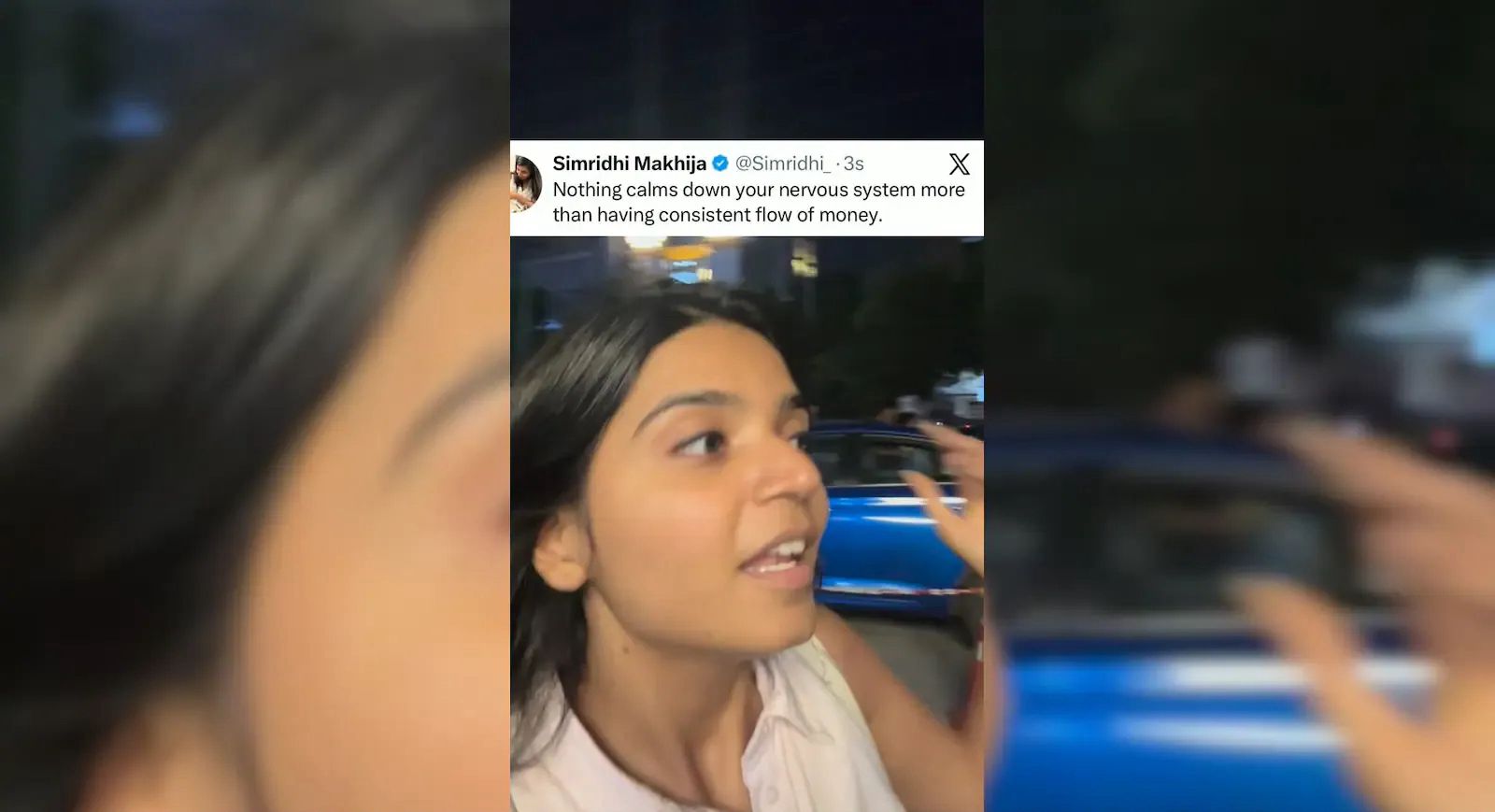
Simridhi Makhija, a Bengaluru-based entrepreneur and founder of The Speak Fest, stated in a viral video that maintaining a savings corpus of Rs 20 to 30 lakh acts as an essential buffer against life's uncertainties, arguing that financial stability provides deeper mental peace than conventional wellness advice alone.
Backed by widespread digital discourse and entrepreneurial insights, a Bengaluru-based founder has sparked a national debate by asserting that substantial personal savings serve as the ultimate remedy for financial anxiety.
Addressing the intersection of modern economic pressure and psychological wellbeing, Simridhi Makhija, founder of The Speak Fest, asserted in a widely circulated video released in September 2026 that maintaining a liquid reserve of Rs 20 to 30 lakh is critical for mental stability. Speaking from her observations within the urban startup ecosystem in Bengaluru, the entrepreneur argued that consistent cash flow and a robust emergency fund do more to regulate the human nervous system than traditional stress-management techniques or therapy alone when financial insecurity is the root cause.
The commentary has ignited intense online discussions regarding the psychological weight of financial liquidity and the realities of sustaining livelihoods in high-cost metropolitan centers.
Evaluating Emergency Buffers, Financial Liquidity, and Mental Health
Analyzing the core arguments behind the financial safety discussion highlights a shift toward prioritizing liquidity over discretionary spending. According to public statements and social media disclosures reviewed in September 2026, key elements of the perspective include:
The Emergency Buffer: Having a corpus of Rs 20 to 30 lakh parked safely in a bank account ensures that unexpected life shocks—such as sudden job losses, family financial requirements, or medical emergencies—do not trigger immediate panic.
Distinction From Luxury: The framework explicitly separates meaningful security from shallow lifestyle consumption, emphasizing that savings function as a psychological anchor rather than a means for frequent leisure spending.
Root-Cause Stress Relief: While acknowledging the utility of hobbies, reading, and therapy, the commentary argues that mindfulness practices cannot pay bills or alleviate the biological stress response caused by baseline economic vulnerability.
Ecosystem Observations: Drawing from her experience among startup founders and corporate professionals in metropolitan hubs, inconsistent cash flow is cited as a primary driver of distress across both professional and personal spheres.
Why It Matters
The practical implications of maintaining a substantial savings cushion directly affect how urban citizens navigate economic volatility and career transitions. For salaried professionals and modern workers, having a financial safety net transforms potential disasters into manageable inconveniences, shielding long-term mental health from acute stress. For financial planners, the discourse underscores the growing consumer awareness around building liquid emergency reserves ahead of discretionary investments.
Key Facts at a Glance
Recommended Corpus: Rs 20 to 30 lakh in liquid bank savings.
Key Spokesperson: Simridhi Makhija, Bengaluru-based founder of The Speak Fest.
Core Purpose: Functioning as an absolute safety net against job loss, family needs, and medical emergencies.
Underlying Philosophy: Financial security serves as a primary driver of psychological calm and nervous system regulation.
FAQ Section
What did the Bengaluru entrepreneur say about savings and stress?
Simridhi Makhija argued that maintaining a consistent cash flow and a savings corpus of Rs 20 to 30 lakh is the most effective way to reduce anxiety and calm the nervous system during crises.
Why specifically Rs 20 to 30 lakh?
This estimated range represents a substantial liquidity buffer capable of sustaining an individual or family through unexpected life disruptions, such as sudden unemployment or heavy medical expenses, without immediate panic.
Does the advice focus on luxury spending?
No, the commentary explicitly distinguishes between shallow lifestyle consumption—like frequent dining out or shopping—and the genuine peace of mind provided by a financial safety net.
Can savings replace traditional mental health care?
While the commentary suggests that financial security targets the root cause of monetary stress, wellness experts note that savings complement rather than entirely replace medical or psychological interventions.
Where can readers view the original statements?
The complete video address and ongoing discussions are accessible through Simridhi Makhija's Instagram Portal and major lifestyle news publications.
Source: Hindustan Times Trending Desk, Times of India Lifestyle Desk, Simridhi Makhija Official Instagram Portal, Aliceblue News Desk