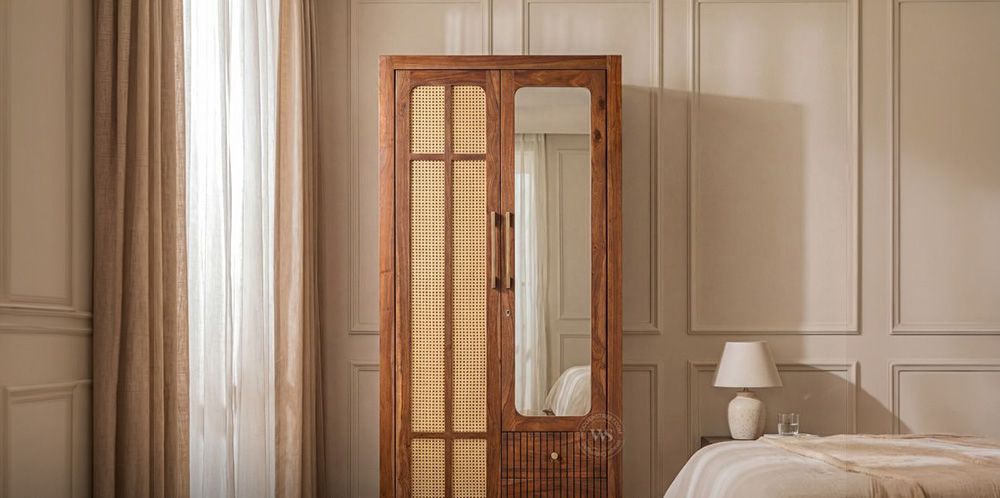
Urban Indian homeowners are transforming master bedrooms through advanced spatial planning, prioritizing integrated floor-to-ceiling sliding wardrobes and concealed dressing units over traditional bulky furniture. According to interior design reports, these modular storage solutions maximize vertical capacity, eliminate visual clutter, and optimize daily functionality in contemporary apartments.
Backed by interior architecture insights, contemporary residential planning across India is shifting toward seamless, integrated wardrobe and dressing configurations to maximize urban space.
The Shift Toward Intelligent Spatial Planning in Urban Apartments
Interior layout requirements for residential spaces across major Indian cities are experiencing a structural transformation. According to interior architecture analyses and consumer trend reports tracked by Livspace and specialized design firms, modern homeowners are moving away from bulky, standalone furniture pieces in favor of architectural, built-in storage systems.
As metropolitan floor plans become increasingly compact, bedrooms are required to function as multi-purpose sanctuaries rather than simple sleeping quarters. This architectural evolution has placed bedroom storage design and integrated dressing layouts at the forefront of modern residential planning, addressing the complex storage demands of multi-season apparel, professional gear, and lifestyle accessories.
Architectural Integration of Wardrobes and Dressing Units
The contemporary approach to bedroom organization relies heavily on customized modular engineering rather than rigid, pre-fabricated units. According to design filings and industry disclosures published by Royaloak India and interior design platforms, key spatial upgrades include:
Floor-to-Ceiling Sliding Systems: Utilizing parallel track sliding doors eliminates the clearance space required by traditional swing hinges, optimizing narrow pathways in urban bedrooms.
Vertical Space Maximization: Extending cabinetry to touch false ceilings captures neglected upper volumes, effectively doubling storage capacity without expanding the floor footprint.
Integrated Dressing Niches: Merging vanity mirrors, hidden jewelry pull-outs, and dedicated lighting directly into the wardrobe framework creates a streamlined, clutter-free dressing zone.
Concealed Internal Organizers: Custom pull-out drawers, specialized saree racks, and long-hanging compartments protect delicate fabrics while maintaining a minimalist exterior facade.
Why It Matters
The practical implications of advanced bedroom planning directly influence daily efficiency, domestic organization, and mental well-being for urban citizens. For modern consumers and real estate developers, integrated storage solutions eliminate wasted square footage, protect high-value garments, and elevate the aesthetic and functional value of contemporary Indian residential properties.
Key Facts at a Glance
Primary Trend: Transition from standalone furniture to built-in, floor-to-ceiling modular storage.
Space-Saving Mechanism: Sliding wardrobe doors replace traditional swing panels to free up floor area.
Dressing Integration: Built-in vanity niches with sensor lighting replace bulky separate dressing tables.
Target Demographic: Urban homeowners and apartment residents prioritizing multi-functional, clutter-free spaces.
FAQ Section
Why are Indian homeowners moving away from traditional standalone wardrobes?
Standalone furniture often leaves awkward gaps that collect dust and waste valuable floor space, whereas custom floor-to-ceiling units maximize vertical storage capacity and create a seamless aesthetic.
How do sliding wardrobes improve small bedroom layouts?
Sliding doors operate on parallel tracks, eliminating the outward clearance radius required by traditional hinge doors and allowing furniture to be placed closer without obstructing movement.
What is the advantage of integrating a dressing unit into the wardrobe?
Built-in dressing niches combine mirrors, specialized accessory drawers, and task lighting directly into the main storage wall, reducing visual clutter and saving precious floor space.
Where can homeowners find professional guidance on modern bedroom storage layouts?
Detailed planning guides, spatial breakdowns, and modular design ideas are published regularly by professional interior platforms like Livspace and DesignCafe.
Source: Livspace Magazine, Royaloak India, CRL Interior, DesignCafe