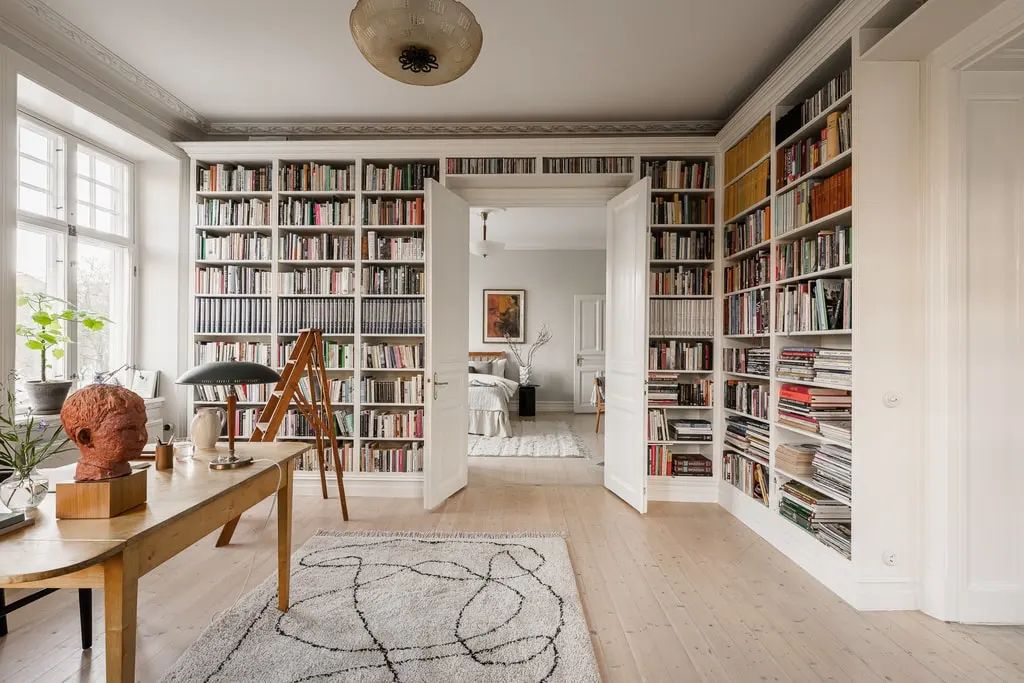
Architectural design trends are transforming personal reading spaces through multistorey book spreads, wall-less floating shelves, and secret hidden doorways. In a detailed feature by lifestyle journalist Ranjita Ganesan, experts explore how contemporary homeowners integrate extensive literature collections into modern residential layouts, blending aesthetic storytelling with functional home library design.
Backed by architectural insights and lifestyle journalism, interior designers are reimagining residential reading spaces with multistorey book spreads and hidden architectural portals.
The Architectural Evolution of Residential Libraries
The physical integration of literature within modern residential architecture has moved far beyond traditional wood-paneled corners. According to design analyses and lifestyle features penned by journalist Ranjita Ganesan, contemporary homeowners are increasingly treating their personal book collections as central architectural elements.
The modern approach to a home library blends structural engineering with aesthetic narrative. Rather than cramming volumes into standard wall units, designers are utilizing soaring multistorey book spreads, minimalist wall-less floating shelves, and custom-engineered secret doorways that transform functional storage into immersive spatial experiences.
Crafting Bespoke Reading Sanctuaries and Hidden Portals
Creating an enduring space for literature requires balancing spatial openness with structural load capacities. According to design disclosures and residential planning briefs tracked across contemporary architecture publications, key features shaping modern home library design include:
Multistorey Book Spreads: Utilizing double-height living areas and vertical verticality to house thousands of volumes, often accessed via rolling brass ladders or suspended catwalks.
Wall-Less and Floating Shelves: Eliminating bulky side panels to create light, open shelving units that allow natural light to filter freely through room divisions.
Secret Doorways and Portals: Engineering hidden bookshelf doors that swivel or slide open to reveal private studies, panic rooms, or quiet reading alcoves.
Lighting and Material Synergy: Integrating concealed LED strip lighting behind shelf lips and utilizing matte-finished hardwoods to preserve paper integrity while enhancing visual warmth.
Why It Matters
The practical implications of thoughtful home library design directly impact the daily wellbeing, mental relaxation, and spatial organization of modern homeowners and avid readers. By transforming passive storage into dynamic design features like wall-less shelves and secret doorways, contemporary interiors manage to cultivate serene, inspiring environments that encourage physical reading habits in a digital age.
Key Facts at a Glance
Core Trend: Integration of multistorey book spreads in modern residential architecture.
Design Innovation: Use of secret bookshelf doorways and wall-less floating shelving systems.
Key Focus: Balancing structural load requirements with natural lighting and book preservation.
Cultural Impact: Elevating personal literature collections into central interior design statements.
FAQ Section
What are multistorey book spreads in home design?
Multistorey book spreads involve utilizing double-height vertical spaces and walls to display large literature collections, often spanning across multiple floors of a residence.
How do wall-less shelves function in modern interiors?
Wall-less or floating shelves eliminate heavy side panels and backing boards, creating an open, airy partition that allows natural light to flow freely between spaces.
Why are secret doorways becoming popular in modern home libraries?
Concealed bookshelf doors offer a blend of privacy, playfulness, and sophisticated spatial planning, turning entryways into hidden passages to private studies.
Where can readers explore detailed lifestyle features on home architecture?
In-depth articles and design essays exploring modern living spaces are regularly published via architectural digests and cultural journalism outlets.
Source: Cultural Lifestyle Journalism Archives, Residential Architecture Design Board