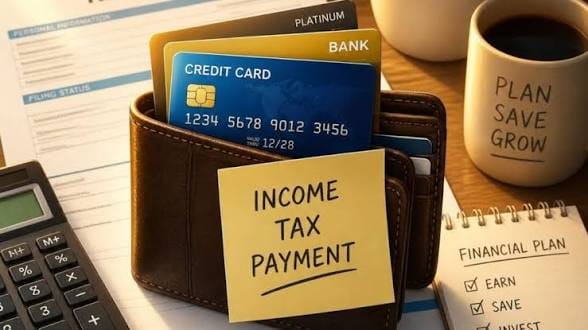
Taxpayers in India can pay income tax using a credit card through authorized payment gateways on the Income Tax Department e-filing portal. While offering cash flow convenience, the facility incurs gateway fees between 0.85% and 1.25%, requiring taxpayers to carefully evaluate costs prior to transaction authorization.
NEW DELHI — Taxpayers in India can pay income tax using a credit card through the official Central Board of Direct Taxes (CBDT) e-filing portal via integrated payment gateways. The digital payment facility enables individuals and commercial entities to settle advance tax, self-assessment tax, and Tax Deducted at Source (TDS) obligations online without visiting bank branches. As statutory filing deadlines and advance tax payment cycles approach throughout the financial year, understanding the underlying processing fees, transaction steps, and regulatory rules helps taxpayers evaluate digital payment methods effectively.
Step-by-Step Payment Process on the Income Tax Portal
Taxpayers seeking to pay income tax using a credit card can execute the transaction directly through the official e-filing system of the Income Tax Department. The process involves generating a tax challan and completing the payment through an authorized gateway provider.
Portal Access and Navigation: The taxpayer logs into the e-filing portal using their Permanent Account Number (PAN) credentials, navigates to the 'e-File' tab, and selects the 'e-Pay Tax' utility.
Challan Details Entry: The user selects 'New Payment', identifies the appropriate tax category—such as Income Tax (0021)—and specifies the applicable Assessment Year and payment type (e.g., Advance Tax or Self-Assessment Tax).
Payment Mode Selection: Under the available payment options, the user selects the 'Payment Gateway' tab. This section lists authorized partner banks that process card transactions.
Transaction Execution: After choosing a gateway, the portal redirects the user to the gateway page to input their credit card number, expiration date, and CVV, followed by One-Time Password (OTP) authentication.
Receipt Generation: Upon successful transaction verification, the portal generates a Challan Receipt containing a unique Challan Identification Number (CIN) and Payment Reference Number (CRN) for record-keeping.
Transaction Fees and Gateway Convenience Charges
While direct bank transfers via net banking or debit cards from authorized banks often carry minimal or zero gateway fees, choosing to pay income tax using a credit card incurs commercial processing costs levied by payment gateway aggregators.
Payment gateways generally charge a convenience fee ranging between 0.85% and 1.25% of the total tax payable, in addition to applicable Goods and Services Tax (GST) on the fee component. These charges are added to the principal tax amount at the final checkout screen prior to authorization.
Furthermore, taxpayers using credit cards must account for the credit terms set by their issuing banks. If the outstanding credit card balance is not settled in full within the card’s standard interest-free billing cycle (typically 20 to 50 days), card issuers levy APR interest rates ranging from 30% to 48% annually.
Unlike selected net banking services integrated into the e-filing system, payments made via credit cards cannot be scheduled for a future date. Credit card transactions are processed immediately upon initiation and authorization. Additionally, any Challan Reference Number (CRN) generated on the portal remains valid for a maximum of 15 days, within which payment must be completed.
Impact on Taxpayers, Businesses, and Investors
The availability of credit card payment channels provides immediate liquidity management for salaried individuals, self-employed professionals, and business owners faced with immediate tax obligations.
Short-Term Cash Flow Flexibility: Taxpayers facing short-term liquidity constraints can meet statutory deadlines on time, avoiding penal interest under Sections 234B and 234C of the Income Tax Act for delayed payments.
Reward Points and Commercial Terms: Certain credit card issuers award reward points or air miles on government transactions, though many card providers have established caps or exclusions on utility and tax category spending. Taxpayers are advised to check card-specific terms regarding reward eligibility for tax payments.
Financial Risk Considerations: Releasing tax payments on credit without guaranteed short-term liquidity can lead to compound interest charges from credit card companies if the statement balance is revolved past the due date.
Official Sources Section
Rules governing tax deposits, online payment channels, and challan processing are outlined in technical documentations and official operational FAQs issued by the Income Tax Department and regulatory policy releases from the Central Board of Direct Taxes.
Quote Section
According to officials from the Income Tax Department:
"The integration of multiple payment gateways on the e-filing portal provides taxpayers with digital flexibility to fulfill their tax liabilities online. Taxpayers should ensure that payment receipts and Challan Identification Numbers (CIN) are downloaded immediately upon successful processing to verify their tax credits."
Why It Matters
Allowing credit cards on the government e-filing portal increases digital payment accessibility and helps taxpayers meet filing deadlines during cash-tight periods. However, because gateway convenience fees and credit card interest rates can increase the total outlay, taxpayers must calculate costs in advance before finalizing payments through this channel.
Key Facts at a Glance
Multiple Payment Channels: The e-filing portal supports Net Banking, Debit Cards, Credit Cards, UPI, and NEFT/RTGS modes.
Convenience Fees Apply: Option to pay income tax using a credit card incurs gateway charges between 0.85% and 1.25% plus GST.
Immediate Processing: Credit card tax payments cannot be scheduled for later dates and process instantly upon OTP verification.
Challan Lifespan: Formatted tax payment challans (CRN) expire 15 days after generation if left unpaid.
FAQ Section
Can I pay income tax using a credit card on the e-filing portal?
Yes, the Income Tax Department permits tax payments via credit card by selecting the 'Payment Gateway' option during the e-Pay Tax process on the portal.
What extra fees apply when paying income tax with a credit card?
Payment gateways charge a convenience fee of approximately 0.85% to 1.25% of the payment value, along with applicable GST, which is added to the tax amount.
Can a credit card tax payment be scheduled for a future date?
No. Unlike select net banking options, credit card payments cannot be scheduled for a future date and must be completed immediately upon initiating the transaction.
How do taxpayers receive confirmation of a successful tax payment?
After successful authorization, the portal generates a downloadable challan receipt containing a unique Challan Identification Number (CIN) and sends SMS/email confirmations.