




Loading market data...
ADVERTISEMENT

Latest Top News
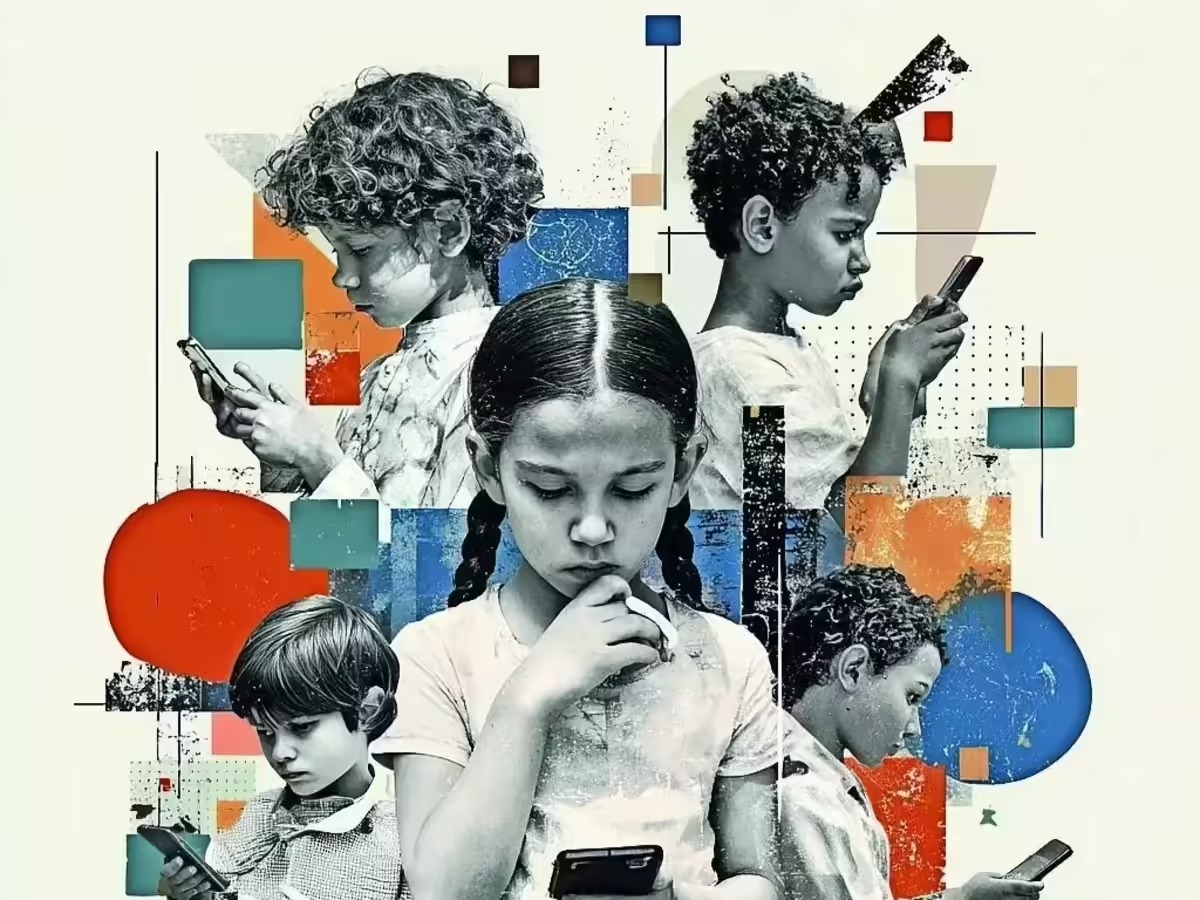
Centre Pushes For Child Lock On Social Media Platforms
The Indian government has initiated discussions on introducing child lock features across social media platforms to safeguard minors from harmful content. The move reflects growing concerns over digital safety, online addiction, and exposure to inappropriate material among children and teenagers.
Stay Ahead – Explore Now! Z-Tech (India) Secures Luv-Kush Park Project Under Smart City Mission
ADVERTISEMENT

Latest Updates

Siri AI in iOS 27 Introduces Onscreen Awareness an...
16 Jun 2026, 06:20 AM
FOMO TO FMA - Global Uncertainty Meets Indian Opti...
16 Jun 2026, 06:53 AM
Starlink New Satellite Tech Hits India National Se...
16 Jun 2026, 06:14 AM
SpaceX Rally Extends After Record-Breaking Wall St...
16 Jun 2026, 06:08 AM
Spain vs Cabo Verde Match Result Ends in Historic...
16 Jun 2026, 06:01 AMADVERTISEMENT

Top Stories
Siri AI in iOS 27 Introduces Onscreen Awareness an...
16 Jun 2026, 06:20 AM
FOMO TO FMA - Global Uncertainty Meets Indian Opti...
16 Jun 2026, 06:53 AM
Starlink New Satellite Tech Hits India National Se...
16 Jun 2026, 06:14 AM