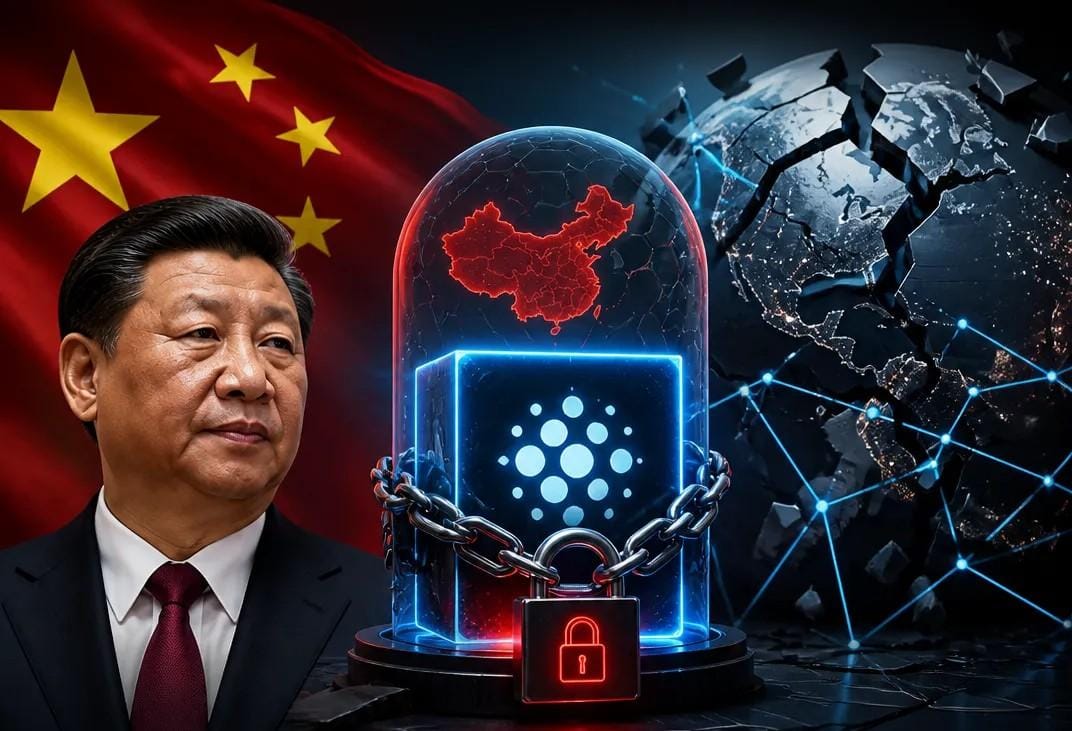
China's Ministry of Commerce is considering strict curbs on foreign access to its advanced AI models, targeting both closed and open-weight systems like Alibaba's Qwen. This shift toward a tiered security review threatens to disrupt international software developers who rely on cheap Chinese AI alternatives, driving up global computational costs.
BEIJING — The global artificial intelligence sector is bracing for a significant structural shift as China's Ministry of Commerce weighs sweeping regulatory curbs on overseas access to its most advanced homegrown AI models. According to official reports and sources close to recent regulatory proceedings, the proposed rules target both closed-source and open-weight architectures, a move that analysts warn will trigger cascading costs for foreign enterprises, developers, and global supply chains heavily reliant on affordable Chinese software alternatives.
Ministry of Commerce Evaluates Tiered AI Restrictions
Over the past month, the Ministry of Commerce of the People's Republic of China convened high-level, private consultations with major domestic technology corporations, including Alibaba Group Holding Ltd., ByteDance Ltd., and leading frontier startup Z.ai. The central focus of these discussions was the implementation of tighter oversight mechanisms on the export of advanced language and reasoning models, including highly anticipated systems that have not yet been released publicly.
A proposal documented in the official Supreme People's Court journal outlines a structured, three-tiered framework intended to govern cross-border AI distribution:
Basic Tools: Lower-tier, open-source utilities will remain subject to a standard administrative filing process.
Advanced Technologies: Mid-tier and highly capable models will undergo mandatory national security reviews before external deployment.
Frontier Systems: The most sensitive, high-performance frontier models will face a total domestic-only lockdown, barring them from public or international release.
Cascading Cost Impact on International Enterprise
The introduction of these regulatory boundaries marks a sharp pivot in Beijing’s technological posture. Over the past year, Chinese entities secured substantial global market share by offering highly sophisticated, open-weight models—such as DeepSeek’s R1 series, Alibaba's Qwen, and ByteDance's Doubao—at a fraction of the operational and API licensing costs charged by Western tech giants.
Foreign developers and European software firms have increasingly leaned on these low-cost open-weight models as an economical alternative to premium American closed-source platforms. By restricting global access, Beijing threatens to contract the aggregate supply of affordable, high-performing AI tokens. Industry analysts project that businesses forced to migrate from cost-effective Chinese systems to more expensive Western alternatives will see an immediate escalation in computational and engineering expenses, affecting everything from customer service automation to complex algorithmic data processing.
National Security and Capital Controls
Beyond software distribution, the proposed framework introduces stringent defensive legal measures. Officials inside the Ministry of Commerce explored provisions to classify any unauthorized leak, unapproved transfer, or theft of proprietary AI source code as a criminal offense under China's expanding national security laws.
Additionally, the state is evaluating tighter boundaries on inbound and outbound financing. The proposed rules would restrict foreign venture capital entities from backing domestic AI developers, effectively ring-fencing the country's sovereign technological ecosystem. This aligns with broader regulatory shifts; the State Council recently expanded national security review mechanisms over cross-border deals, covering not just software and hardware data but also the movement of specialized technical personnel and expert training programs across Chinese borders.
Official Sources Section
The emerging regulatory developments are based on proceedings led by the Ministry of Commerce, state legal frameworks updated by the State Council, and formal documentation published within the official journal of the Supreme People's Court of the People's Republic of China. Additional corporate contextual disclosures reflect recent investor updates from Alibaba, ByteDance, and international trade briefs.
Executive Statements
"According to officials familiar with the internal ministry proceedings, the state views cutting-edge artificial intelligence infrastructure as a critical national asset that requires robust border protections, mirroring similar export restrictions enacted by international counterparts."
"Organizers stated during recent technological compliance briefings that protecting core algorithmic intellectual property from unauthorized cross-border migration is vital to maintaining long-term industrial competitiveness."
Why It Matters
The global technology market has operated under the assumption that while hardware exports are restricted by Western nations, software blocks would remain porous due to the open-source nature of model weights. China’s proposed policy upends this dynamic, establishing a fully bifurcated AI ecosystem.
For international enterprises, the practical implications mean heightened compliance burdens, a loss of access to competitive open-source code libraries, and increased cloud expenditure. For investors, the looming capital controls mean that Western private equity can no longer easily access China’s high-growth generative AI start-up pipeline, fracturing global tech investment strategies.
Key Facts at a Glance
Targeted Platforms: The proposed restrictions cover both enterprise closed-source APIs and downloadable open-weight models like Alibaba’s Qwen and ByteDance’s Doubao.
The Three-Tier System: Regulations introduce a graduated scale involving simple filings, security reviews, or outright foreign bans based on a model's computational capacity.
National Security Alignment: Unauthorized technical sharing or code leaks will be prosecuted under China's stringent national security laws.
Investment Restrictions: New measures aim to severely limit the ability of foreign capital to fund or acquire equity in domestic Chinese AI startups.
Frequently Asked Questions
What are open-weight AI models, and why are they affected?
Open-weight models are AI systems where the underlying code and parameters are made publicly available for developers to download, modify, and host locally. China is targeting them because their free availability allows foreign entities to easily utilize Chinese-developed technological breakthroughs without regulatory oversight.
How will this policy change impact small businesses and developers?
Many small businesses and independent software developers rely on Chinese models because they offer near-frontier capabilities at a significantly lower operational cost compared to dominant Western providers. If restricted, these developers face higher api fees and forced migrations to alternative architectures.
When will these new AI curbs take effect?
The Ministry of Commerce and state regulators have not finalized an official implementation timeline. Current discussions indicate that the strict frontier bans may apply primarily to future, unreleased models rather than retroactively revoking all existing open-source codebases.
Source: Ministry of Commerce of the People's Republic of China, State Council of the People's Republic of China, Supreme People's Court Journal archives, and Reuters industrial regulatory briefs.