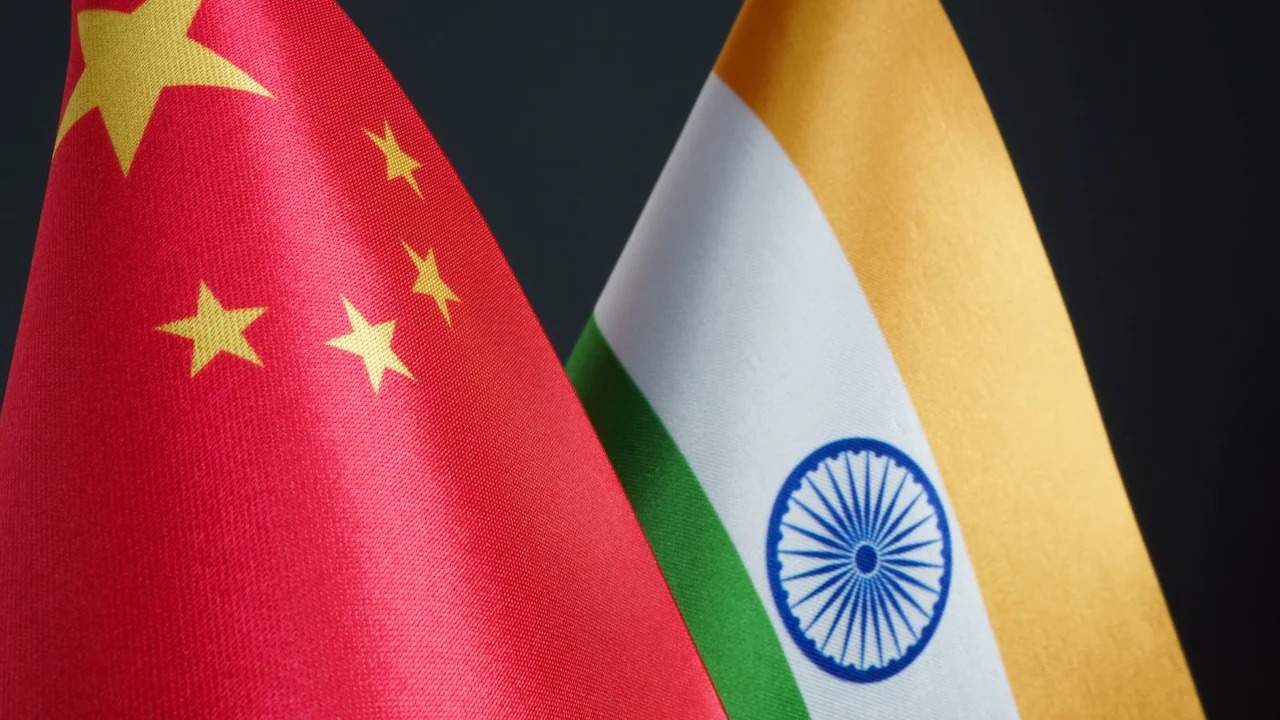
China and India have reaffirmed their commitment to maintaining border peace following high-level diplomatic talks in Beijing. The two nations agreed to an eight-point framework featuring new military hotlines and communication channels aimed at resolving disputes and stabilizing regional security dynamics.
China and India have reaffirmed a mutual commitment to maintain peace and tranquility across border regions during high-level talks.
Beijing and New Delhi Stress Stability Following Boundary Discussions
BEIJING — Officials from China and India have reiterated their shared dedication to preserving peace and stability along their disputed border areas, following comprehensive high-level discussions held in Beijing. The diplomatic engagement brought together senior leadership, including Chinese Foreign Minister Wang Yi and Indian National Security Adviser Ajit Doval, to address ongoing security concerns and framework mechanisms.
The dialogue comes amid localized friction points and heightened strategic attention across the Line of Actual Control (LAC), particularly concerning Arunachal Pradesh. Both nations emphasized the necessity of advancing border management protocols, establishing expanded communication channels, and working toward a fair, reasonable, and mutually acceptable resolution.
Diplomatic Frameworks and Bilateral Consensus
Expanding Communication and Military Hotlines
According to official readouts released by the Chinese foreign ministry, the two delegations agreed on an eight-point roadmap to strengthen border management. This framework includes the implementation of new military hotlines and the designation of additional meeting points for commander-level dialogues in the eastern and central sectors. The structured expansion aims to prevent military miscalculations and streamline real-time tactical communications.
Strategic Context and Regional Impact
The reaffirmation of peace carries significant weight for regional stability, international commerce, and cross-border security. For businesses, investors, and local populations residing near the frontier, maintained diplomatic engagement helps de-escalate operational risks and fosters a predictable economic environment across South Asia.
Official Statements and Regulatory Disclosures
Information regarding the diplomatic talks, structural agreements, and strategic consensus is sourced directly from official press briefings and announcements issued by the Ministry of Foreign Affairs of the People's Republic of China and related bilateral diplomatic channels.
"According to officials, both countries have agreed to draw upon historical experience, place the boundary question in its proper context, and ensure that dialogue and cooperation remain the primary mainstream of bilateral relations."
Why It Matters
Maintaining an open channel of communication between the world's two most populous nations prevents geopolitical escalation and stabilizes broader regional markets. By committing to institutionalized dialogue, Beijing and New Delhi signal a preference for diplomatic conflict resolution over military confrontation along sensitive Himalayan boundaries.
Key Facts at a Glance
Core Focus: Reaffirmation of peace and tranquility along the India-China border.
Key Participants: Chinese Foreign Minister Wang Yi and Indian National Security Adviser Ajit Doval.
New Mechanisms: Agreement on an eight-point plan including new military hotlines and border meeting points.
Next Steps: Commitment to pursue a fair, reasonable, and mutually acceptable boundary settlement.
Frequently Asked Questions
What was the primary outcome of the recent China-India talks in Beijing?
The two sides agreed on an eight-point consensus to enhance border management, establish new military hotlines, and maintain peace along the Line of Actual Control.
Who led the delegations during these high-level discussions?
The talks involved high-level diplomatic representation, featuring discussions between Chinese Foreign Minister Wang Yi and Indian National Security Adviser Ajit Doval.
How do these agreements impact border security?
The establishment of new communication hotlines and localized meeting points is designed to reduce the risk of inadvertent military friction and accelerate diplomatic response times.
Source: Ministry of Foreign Affairs of the People's Republic of China, Embassy of India in Beijing, Press Information Bureau, Government of India