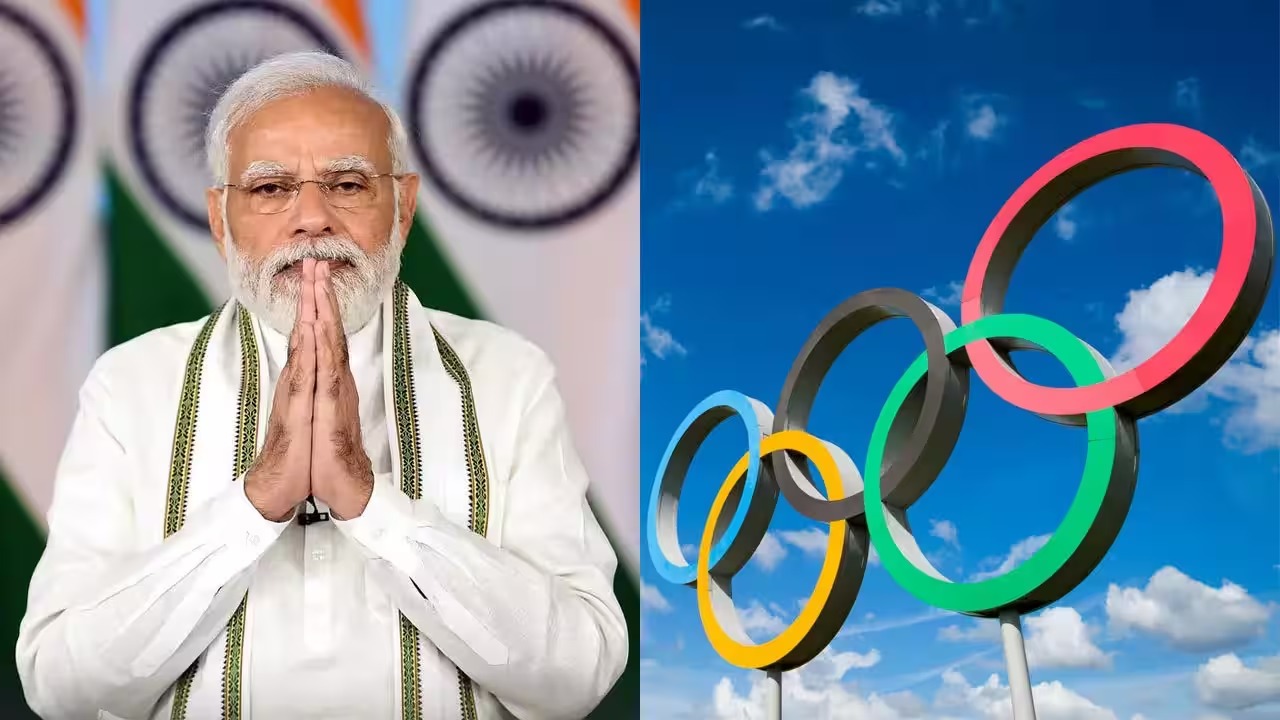
Prime Minister Narendra Modi stated in New Delhi that India's Olympic medal gap begins at the grassroots level due to early-stage structural deficiencies. The government is pushing for nationwide reforms in school sports and district-level talent identification to build a sustainable pipeline for future global competitions.
Prime Minister Narendra Modi states that India's Olympic medal deficit originates at the grassroots level long before international games begin.
Prime Minister Modi Addresses India's Grassroots Sports Disparities
NEW DELHI — Prime Minister Narendra Modi has highlighted what he described as a "bitter truth" regarding India's athletic performance on the global stage, asserting that the country's Olympic medal gap starts long before athletes ever reach international competition. Speaking at a high-level national sports consultation forum in New Delhi, the Prime Minister emphasized that systemic gaps in early-stage talent identification, foundational coaching infrastructure, and school-level sports culture are the primary drivers restricting the nation's podium conversions.
The address brings renewed national focus to the structural transition required to transform India into a consistent global sporting powerhouse. While acknowledging recent breakthroughs by Indian athletes in multi-sport quadrennial events, the Prime Minister stressed that sustainable elite success relies entirely on reforming grassroots sports pipelines and expanding early-age access to professional training facilities across semi-urban and rural districts.
Systemic Reforms and Grassroots Initiatives
Rebuilding the Foundational Sports Pipeline
According to official policy briefs and statements released by the Ministry of Youth Affairs and Sports, the government is intensifying its focus on grassroots talent identification programs such as the Khelo India initiative. Officials detailed that bridging the pre-Games medal gap requires shifting financial and administrative resources away from elite-only camps toward district-level academies, school sports leagues, and localized coaching ecosystems.
Impact on Young Athletes and Domestic Sports Infrastructure
Sports scientists and youth development administrators point out that early exposure to competitive structures is essential for psychological conditioning and athletic longevity. For aspiring athletes, regional coaches, and state-level sports federations, the strategic realignment aims to democratize access to world-class nutrition, scientific training methodologies, and injury-management infrastructure before athletes reach national contention.
Official Announcements and Government Releases
Information concerning national sports policy shifts, budget allocations, and foundational development frameworks is drawn directly from official releases by the Ministry of Youth Affairs and Sports and announcements hosted via the Sports Authority of India.
"According to officials, the government's long-term objective is to establish structured talent pathways in every district, ensuring that raw athletic potential is identified and nurtured during formative developmental years rather than discovered at elite selection trials."
Why It Matters
Addressing the Olympic medal gap at its root level changes how public and private capital is deployed across Indian sports. For investors, sports academies, equipment manufacturers, and domestic fans, a systematic focus on grassroots development creates a sustainable talent pool that can consistently deliver multi-sport medals, elevating India's standing in international athletic arenas.
Key Facts at a Glance
Core Issue: Prime Minister Modi highlights that India's Olympic medal gap begins at the grassroots level.
Key Forum: National sports consultation and policy review held in New Delhi.
Strategic Focus: Expansion of district-level talent identification and school sports infrastructure.
Key Policy Framework: Alignment with existing initiatives like the Khelo India program.
Frequently Asked Questions
What did Prime Minister Modi mean by the "bitter truth" regarding Olympic medals?
He pointed out that India's medal deficit is rooted in inadequate grassroots infrastructure and late-stage talent identification rather than a lack of raw athletic talent.
Where does the Olympic medal gap primarily originate according to officials?
Official assessments indicate the gap originates during formative years due to limited access to structured sports training and competitive leagues at the school and district levels.
How is the government addressing this foundational sports gap?
Through expanded grassroots programs like Khelo India, increased focus on district academies, and localized coaching initiatives managed by sports authorities.
Source: Ministry of Youth Affairs and Sports, Government of India, Sports Authority of India, Press Information Bureau
PM Modi on India's Olympic Medal Gap and Grassroots Sports Development