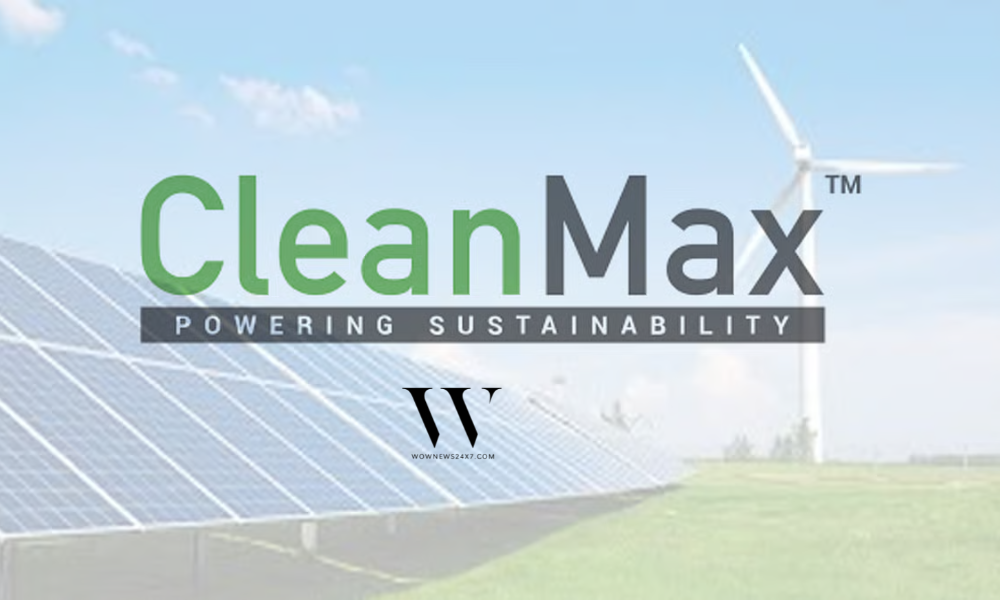
Gujarat Alkalies and Chemicals Limited has partnered with CleanMax to build a 75.90 MW wind and 84.34 MWp solar hybrid project in Gujarat. Managed through a dedicated Special Purpose Vehicle, this clean energy initiative will deliver reliable, round-the-clock green power to GACL’s chemical manufacturing hubs in Vadodara and Dahej.
VADODARA, India : In a major step toward industrial decarbonization, Gujarat Alkalies and Chemicals Limited (GACL) has officially entered into a joint venture partnership with Clean Max Enviro Energy Solutions Limited (CleanMax) to establish a comprehensive wind-solar hybrid power project. The collaborative infrastructure development, announced in formal regulatory statements on Wednesday, June 3, 2026, will feature 75.90 megawatts (MW) of wind energy alongside an 84.34 megawatt-peak (MWp) solar generation array within the state of Gujarat.
According to statutory corporate disclosures filed with the National Stock Exchange of India (NSE), the vast commercial energy infrastructure is being executed through a specialized Special Purpose Vehicle (SPV) model. This long-term grid-tied platform is structured to support GACL's power-intensive chemical production facilities in Vadodara and Dahej, dramatically lowering carbon emission metrics while cutting energy overhead costs. This major deal aligns with India’s strict climate goals for the commercial and industrial (C&I) sectors, establishing a solid blueprint for energy-heavy chemical processing firms.
Strategic Group Captive Framework Drives Commercial Decarbonization
The structural core of the joint venture utilizes a group captive model, a preferred regulatory framework under the Indian Electricity Act where corporate consumers purchase an equity stake in a dedicated offsite power project. To formalize this framework, the board of GACL recently authorized an equity share capital subscription in the right issue of Cleanmax Sphere Energy Private Limited, the designated SPV company leading the deployment.
According to operational updates from the BSE Limited, this hybrid layout uses the complementary generation cycles of wind and solar. Solar units reach maximum output during peak daylight hours, while wind kinetic energy production spikes during late evening and night hours. This dual approach provides a more consistent, round-the-clock power supply to mitigate the typical generation drops that affect solo-source renewable systems.
The massive project directly supports regional grid resilience and helps local energy-intensive businesses bypass volatile open-market power purchasing rates.
Detailed Technical and Capacity Metrics Breakdown
The combined generation profile represents one of the largest corporate clean energy infrastructure projects finalized in western India this quarter. The following breakdown tracks the capacity distribution parameters assigned under the executed Share Holders Agreement (SHA):
By transitioning away from fossil-fuel-reliant state distribution boards, GACL's chemical processing facilities will gain predictable, long-term energy costs secured under a fixed-tariff architecture spanning more than two decades.
Executive Guidance on Energy Transition Milestones
Regulatory dispatches point out that industrial operations have already begun integrating previous solar allocations as part of an incremental rollout program.
"According to officials close to the corporate planning desk, GACL has already started receiving clean power from preliminary installations, demonstrating clear transition momentum," a joint board update confirmed. "Organizers stated that the subsequent execution of the full 75.90 MW wind and 84.34 MWp solar framework will systematically insulate our primary chemical production streams from fossil-fuel price spikes, boosting long-term financial predictability for our shareholders."
National energy analysts emphasize that the regional policy landscape, governed by the Gujarat Electricity Regulatory Commission (GERC), remains highly supportive of hybrid industrial platforms, offering reliable open-access rules and clear banking provisions for clean power generation.
Tangible Value and Practical Implications for Market Sectors
The completion of this long-term power purchase framework brings immediate operational and financial changes to the regional industrial market.
Major Sector Outcomes
Enhanced Chemical Margins: Lowering electricity costs per ton improves GACL’s competitive edge in domestic and export chemical markets.
Corporate Carbon Reduction: The project significantly lowers greenhouse gas footprints, helping GACL meet national environmental, social, and governance (ESG) compliance mandates.
Renewable Sector Growth: This multi-megawatt project further cements CleanMax’s position as a premier commercial and industrial renewable solutions developer in Asia.
Official Sources Section
The corporate financing structures, capacity values, and regulatory metrics highlighted in this report are compiled from official disclosures submitted to the National Stock Exchange of India (NSE), corporate action logs on the BSE Limited, and the official investor relations updates published by Gujarat Alkalies and Chemicals Limited (GACL).
Why It Matters
For general industry observers and equity investors, this massive contract highlights the growing shift where major industrial manufacturers directly co-invest in renewable power plants rather than simply purchasing raw grid power. By building an offsite 75.90 MW wind and 84.34 MWp solar farm, the partnership secures a highly predictable, insulated energy supply line. This step demonstrates how energy-heavy sectors can lower costs while effectively protecting themselves against global fuel price volatility.
Key Facts at a Glance
Strategic Venture: CleanMax and GACL have partnered to deploy a major hybrid wind and solar green energy project in Gujarat.
Capacity Distribution: The project structure integrates 75.90 MW of wind generation alongside an 84.34 MWp solar installation.
Financial Mechanism: The project operates under a group captive model via the special purpose vehicle Cleanmax Sphere Energy Private Limited.
Primary Target: The green electricity will power GACL’s heavy chemical manufacturing hubs located in Vadodara and Dahej.
Frequently Asked Questions
What is a wind-solar hybrid project, and why is it used here?
A hybrid project combines wind turbines and solar panels into a single connected platform. This setup balances power generation, as solar units peak during the day while wind generation often spikes at night, providing a steadier, more reliable power supply for round-the-clock factory operations.
What role does the Special Purpose Vehicle (SPV) play in this partnership?
The SPV, named Cleanmax Sphere Energy Private Limited, acts as a dedicated business entity formed specifically to build, own, and run this project. This structure allows GACL to invest directly as an equity partner, fulfilling group captive legal guidelines.
How will this clean energy infrastructure benefit local consumers and businesses?
By sourcing electricity from dedicated offsite wind and solar farms, a major industrial manufacturer reduces its demand on the public grid. This shift helps lower carbon emissions, stabilizes industrial supply chains, and eases demand pressures on regional electricity networks.
Source: National Stock Exchange of India (NSE), BSE Limited, Gujarat Alkalies and Chemicals Limited (GACL) Investor Board