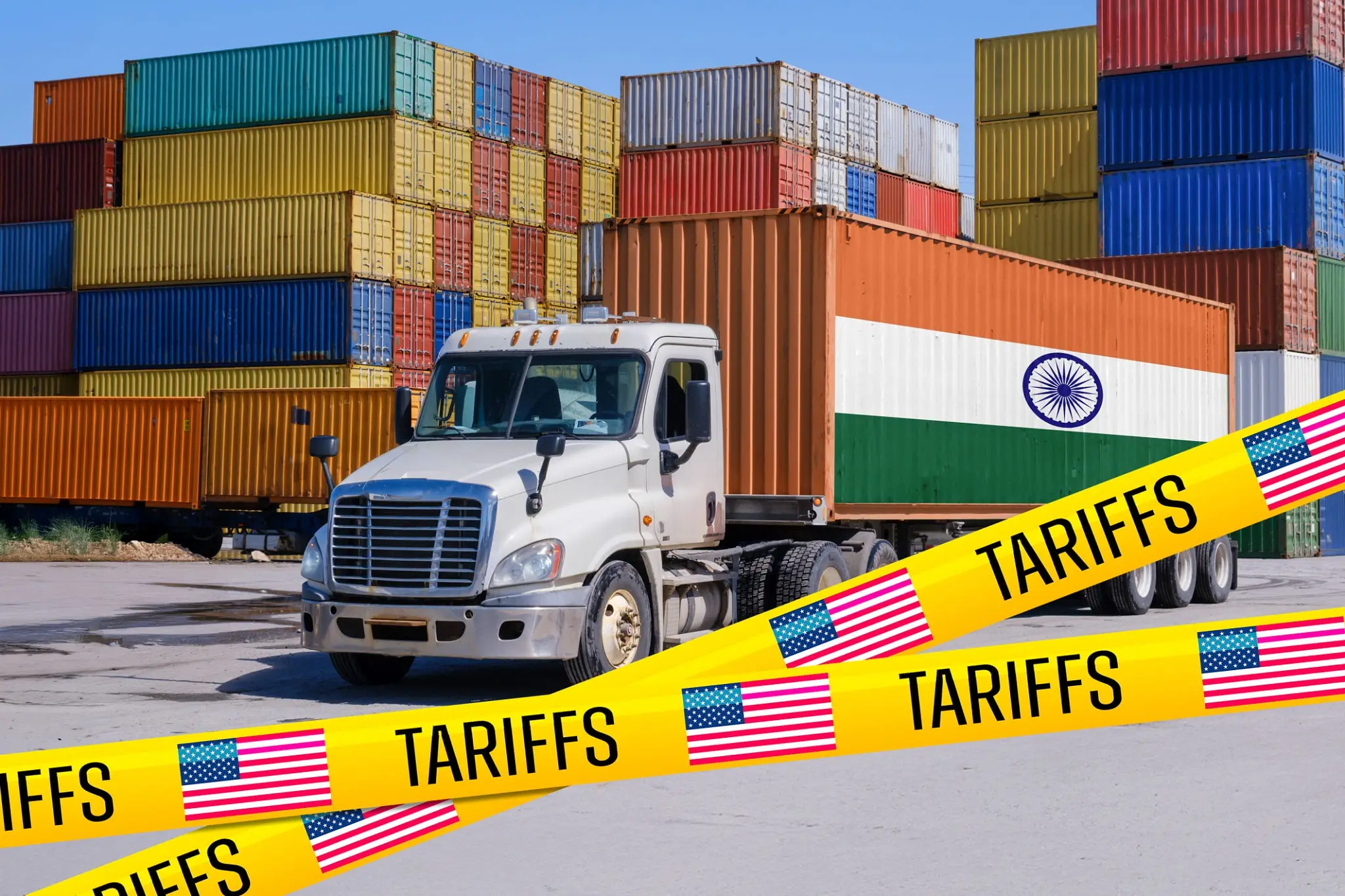
The United States has proposed up to 12.5% Section 301 tariffs on India and 59 other economies over failures to ban forced labour imports. Emerging amid critical bilateral trade talks, the tiered levies threaten global supply lines and consumer prices, with an implementation timeline potentially taking effect as early as July 7, 2026
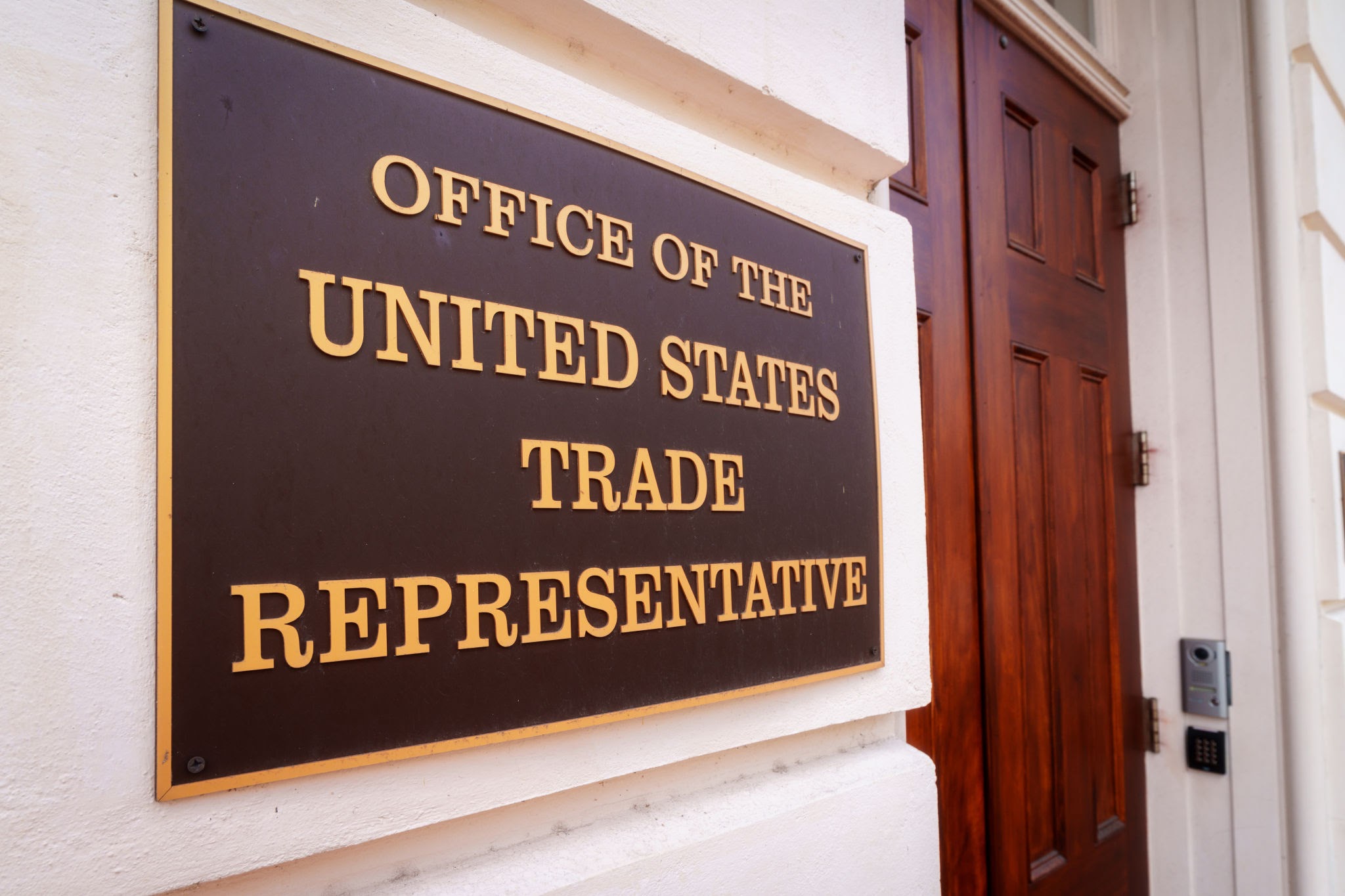
WASHINGTON - The Trump administration has officially proposed additional import tariffs of up to 12.5% on India and 59 other global economies. In a formal declaration published on June 2, 2026, the Office of the United States Trade Representative (USTR) confirmed that an expansive statutory investigation concluded that these major trading partners have failed to implement or adequately enforce absolute prohibitions on the importation of goods produced using forced labour.
The sweeping trade enforcement action arrives at a highly sensitive diplomatic juncture, coming just hours after formal bilateral trade agreement negotiations between Washington and New Delhi commenced. The broad U.S. tariff proposal relies directly on Section 301(b) of the Trade Act of 1974, classifying the lack of domestic forced labour import bans among trading partners as "unreasonable" regulatory omissions that actively restrict, disrupt, and burden U.S. commerce.
Split Duty Structures and Global Trading Targets
The USTR's newly concluded Section 301 investigation divides the 60 scrutinized international economies into two specific penalization brackets based on their existing legal frameworks. The administrative findings have triggered distinct trade enforcement actions across traditional global manufacturing blocks:
The 12.5% Tariff Bracket (54 Economies): Applied to nations determined to completely lack a functional legal prohibition against forced labour imports. This high-duty category includes India, China, Vietnam, Taiwan, Japan, Australia, Saudi Arabia, Singapore, and the United Kingdom.
The 10% Tariff Bracket (6 Economies): Reserved for jurisdictions that have formally enacted anti-forced labour import laws but are deemed by U.S. inspectors to have failed in their effective field enforcement. This bracket applies to Canada, Pakistan, Ecuador, the European Union, Indonesia, and Mexico.
According to a public statement delivered by U.S. Trade Representative Ambassador Jamieson Greer, the systemic failure of prominent trading partners to eradicate forced labour components establishes a severely skewed competitive layout. "This creates a dynamic where American workers are forced to compete globally on an unlevel playing field," Greer noted during an executive media brief detailing the enforcement actions.
Macroeconomic Headwinds and India-US Bilateral Friction
The sudden introduction of the Section 301 forced labour tariff structure introduces immediate volatility across South Asian currency and equity markets. Following the Washington press release, the Indian rupee experienced downward pressure on global currency desks, trading down approximately 0.33% to touch a historic low of 95.65 against the U.S. dollar, extending an ongoing annual depreciation cycle.
The unilateral trade enforcement action shifts the landscape for ongoing free trade negotiations managed by the Ministry of Commerce and Industry. Indian Commerce Minister Piyush Goyal had previously indicated that a primary tranche of a framework bilateral trade agreement with the U.S. was nearing a finalized state. However, the USTR's latest regulatory filing specifies that the newly proposed 12.5% border levies could be operationalized as early as July 7, 2026, unless target governments implement verified reciprocal agreements to prohibit forced labour inputs.
The escalation serves as a legal alternative for the White House following a major judicial setback earlier this year, when the U.S. Supreme Court permanently struck down the administration's sweeping global trade tariffs previously levied under the International Emergency Economic Powers Act (IEEPA). By pivoting to Section 301 mechanisms, the federal administration is utilizing a traditional statutory vehicle that allows the USTR up to 12.5% headroom to alter import curves, compounding previous friction surrounding India's purchase of Russian crude oil and domestic agricultural market limits.
Official Sources Section
The international trade metrics, country categorizations, and legal justifications detailed across this report originate from formal statutory notices distributed by the Office of the United States Trade Representative, corporate tracking registries at the BSE Limited, and the ongoing trade negotiation archives maintained by the Indian Ministry of Commerce and Industry.
Quote Section
"According to officials close to the U.S. Trade Representative's section committee, a formal public comment window on the enforcement action will remain open until July 6, 2026. Organizers stated that a comprehensive public hearing is legally scheduled for July 7, 2026, to evaluate potential product exemptions before the new customs duty collection points are deployed at U.S. marine ports."
Why It Matters
The global rollout of forced labour import tariffs bears heavy operational consequences for multiple economic participants:
For Retail Consumers: Imposing 12.5% border tariffs across 54 industrial nations will likely escalate the shelf prices of electronics, apparel, and consumer goods entering the United States.
For Corporate Investors: Shifting compliance mandates require multinational supply managers to rapidly audit their third-party vendor networks to protect their capital investments from steep border penalties.
For Currency Markets: The threat of import slowdowns places immediate structural strain on emerging market currencies, driving institutional capital toward safe-haven assets.
Key Facts at a Glance
Tariff Actions Proposed: The U.S. unveils Section 301 tariffs targeting 60 global economies over forced labour supply practices.
Tiered Penalties: India and 53 other nations face a 12.5% customs levy, while six economies face a 10% duty rate.
Legal Mechanism: The USTR utilizes Section 301(b) after the U.S. Supreme Court invalidated earlier IEEPA trade interventions.
Enforcement Timeline: Written objections are due by July 6, 2026, with active duty execution capable of commencing on July 7, 2026.
FAQ Section
Why is the United States proposing these specific tariffs under Section 301?
Section 301 of the Trade Act of 1974 empowers the USTR to investigate and retaliate against foreign government policies that are deemed unreasonable or discriminatory and directly burden U.S. commerce.
Which major economies are exempted from the highest 12.5% tariff rate?
Only Canada, Ecuador, the European Union, Indonesia, Mexico, and Pakistan were placed in the lower 10% bracket, having established anti-forced labour laws that the U.S. deems under-enforced.
How can affected nations avoid the implementation of these border duties?
Targeted countries must engage in formal consultations with the USTR and commit to enacting and effectively enforcing explicit legal prohibitions against forced labour imports prior to the July deadline.
Source: Office of the United States Trade Representative Federal Notices, Ministry of Commerce and Industry External Trade Bulletins, National Stock Exchange of India Market Disclosures.