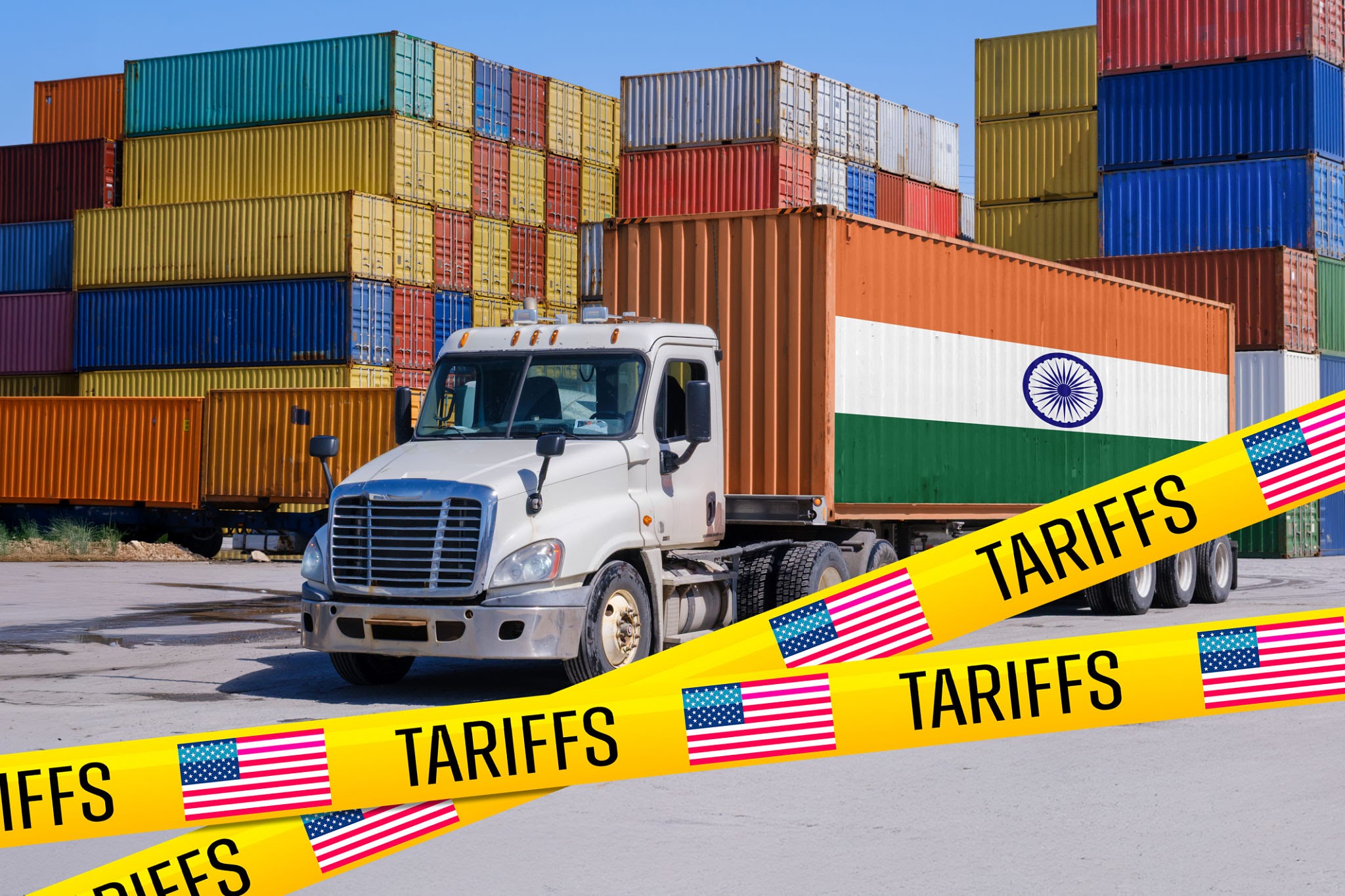
The Indian government is actively coordinating with the United States to address proposed Section 301 tariffs resulting from a global USTR supply chain investigation. Simultaneously, New Delhi is finalizing an Interim Trade Agreement to secure economic immunities, urging domestic stakeholders to participate in public hearings before the June 22, 2026 deadline.
NEW DELHI - The Government of India has confirmed it remains deeply engaged in formal discussions with the United States regarding ongoing Section 301 proceedings, concurrently accelerating parallel negotiations to finalize a sweeping bilateral framework trade agreement. The disclosure, released officially by the Ministry of Commerce and Industry on June 3, 2026, comes immediately after the Office of the United States Trade Representative (USTR) concluded a massive multi-nation probe affecting 60 economies.
While the USTR has formally proposed additional import duties on nations failing to meet standard regulatory compliance under the U.S. Trade Act of 1974, Indian trade officials emphasized that the proposed tariffs are not yet final. New Delhi is actively urging domestic manufacturing stakeholders, export houses, and industry bodies to register for a critical public hearing window closing on June 22, 2026, utilizing the final administrative buffer to insulate bilateral trade channels.
Direct Engagement Over Section 301 Trade Enforcement
The current friction stems from a comprehensive investigation by the United States Trade Representative into global supply chains, tracking the failure of several major trading partners to prohibit or enforce import bans on goods linked to forced labor. The USTR determined that such regulatory lapses distort commercial equity, putting domestic American workers at an unfair competitive disadvantage. Consequently, Washington draft mandates recommended imposing responsive trade actions, including additional percentage tariffs under Section 301.
Indian trade ministries are working to decouple the country's export market from the punitive measures. In an official communication uploaded to the Press Information Bureau (PIB), the central government clarified that the proposed regulatory restrictions will exclude items already covered under historical Section 232 steel and aluminum rules, alongside several other specialized product lines.
Furthermore, U.S. authorities have introduced a unique carve-out mechanism specifically for textile and apparel shipments. This special structure could potentially allow predefined import quotas from selected economies to enter U.S. commercial ports under significantly lowered or fully waived tariff structures, providing a vital lifeline to India’s massive textile manufacturing corridors.
Parallel Push for the India-US Bilateral Trade Agreement
To permanently bypass the threat of unilateral American trade actions, Indian negotiators are parallelly holding intensive, high-level meetings in New Delhi to finalize an Interim Trade Agreement. This document acts as the foundation for a much broader India-US Bilateral Trade Agreement (BTA). The structural blueprints for the compact were originally announced on February 2, 2026, and codified during a subsequent joint bilateral declaration on February 7, 2026.
According to trade ministry filings, an Indian delegation previously completed specialized in-person sessions in Washington, D.C., in late April, followed by a reciprocal four-day visit by a senior U.S. delegation led by Assistant U.S. Trade Representative Brendan Lynch to New Delhi from June 1 to June 4, 2026. The bilateral text aims to swap tariff immunities for sweeping market access commitments.
Under the negotiated framework guidelines, New Delhi has proposed to eliminate or sharply reduce import duties on all incoming U.S. industrial machinery and an extensive roster of agricultural commodities—including tree nuts, fresh fruits, soybean oil, and animal feed components like dried distillers' grains (DDGs). In return, Washington is expected to formalize a permanent exemption clause for Indian goods under the current Section 301 proceedings, ensuring that Indian exports face standard baseline rates rather than escalating trade penalties.
Official Sources Section
Bilateral trade data, regulatory hearing parameters, and negotiation updates detailed in this report have been directly cross-verified against official statutory publications distributed by the Ministry of Commerce and Industry via the Press Information Bureau (PIB) of India, alongside official administrative dockets and international policy statements preserved by the Office of the United States Trade Representative (USTR).
Quote Section
"According to officials at the Ministry of Commerce and Industry, India is managing a dual-track strategy to insulate domestic industries from external market shocks. Representatives stated that while the USTR proceedings follow an independent statutory timeline, parallel diplomatic dialogues are highly advanced, with negotiators from both sides focused on drafting a balanced framework trade agreement that addresses mutual economic security and market access priorities."
Why It Matters
The outcome of the ongoing trade alignment talks directly impacts several key areas of the commercial economy:
For Manufacturing Exporters: Securing an exemption from Section 301 additional tariffs ensures that Indian apparel, consumer goods, and engineering items remain price-competitive in American retail corridors.
For Corporate Investors: Finalizing an interim bilateral trade agreement builds long-term regulatory predictability, driving foreign direct investment (FDI) into Indian industrial parks.
For Agricultural Import Channels: Lowered Indian import tariffs on U.S. agricultural commodities will expand the domestic availability of premium fruits, wines, and specialized livestock feed inputs.
Key Facts at a Glance
Tariffs Not Final: The USTR's proposed Section 301 additional duties are subject to administrative review; stakeholders have until June 22, 2026, to file requests for public hearings.
Bilateral Trade Slabs: India is simultaneously finalizing an Interim Trade Agreement with the U.S., building on the strategic framework established in February 2026.
Textile Protections: A specialized quota mechanism has been proposed for textile and apparel products, potentially shielding heavy domestic industry sectors from steep duties.
Critical Deadlines Set: Following the June 22 hearing registration deadline, written counter-arguments remain open until July 6, 2026, with formal U.S. public hearings commencing on July 7, 2026.
FAQ Section
What is a Section 301 investigation under U.S. trade law?
Section 301 of the Trade Act of 1974 grants the United States Trade Representative the legal authority to investigate and respond to foreign government actions, policies, or practices that are deemed unreasonable, discriminatory, or burdensome to American commerce.
How can Indian export firms protect themselves from these proposed duties?
Impacted businesses and industry associations can submit formal requests to participate in the public hearings by June 22, 2026, and file written rebuttals or support testimonies via the USTR portal until July 6, 2026.
What concessions is India offering to secure an exemption from these tariffs?
As part of the interim trade agreement framework, India has indicated a willingness to lower import barriers on a wide range of U.S. industrial goods and agricultural products, alongside entering long-term purchase commitments for energy and technology commodities.
Source: Ministry of Commerce and Industry (Government of India), Press Information Bureau (PIB) Delhi, Office of the United States Trade Representative (USTR) Federal Register Notices.