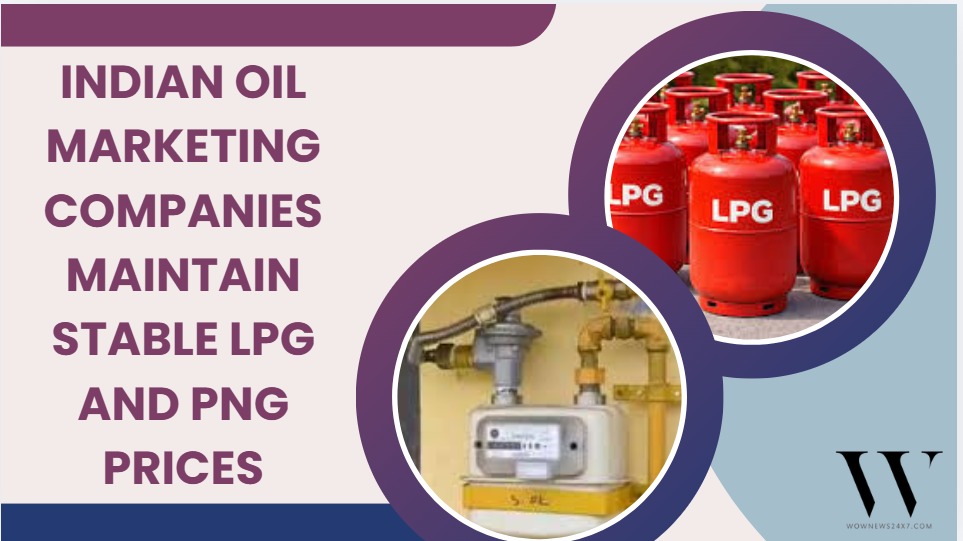
State-run oil marketing companies have kept retail prices for domestic and commercial LPG cylinders, as well as piped natural gas (PNG), completely unchanged on June 3, 2026. Standard domestic cylinders remain at ₹803 in Delhi and ₹802.50 in Mumbai, offering near-term budget stability for both households and commercial businesses.
NEW DELHI - India's leading state-run oil marketing companies (OMCs) have maintained existing price baselines for liquefied petroleum gas (LPG) and piped natural gas (PNG) across all primary metropolitan distribution networks. According to official corporate pricing notifications active on June 3, 2026, retail costs for subsidized 14.2-kilogram domestic cylinders and 19-kilogram commercial canisters remained completely stable following the conclusion of the standard early-month statutory evaluation.
The localized rate freeze by energy entities offers immediate budget predictability for millions of households and commercial hospitality businesses at the start of the summer season. Oil marketing firms systematically adjust fuel retail structures on the first day of every month to reflect underlying crude fluctuations and the moving cost of international imports, but chose a neutral rollout for the current cycle.
Detailed Breakdown of Domestic and Commercial LPG Cylinder Rates
Market logs published via formal distribution interfaces indicate that retail tariffs for cooking gas are maintaining standard structural disparities across different states due to variations in regional transport surcharges and localized value-added tax (VAT) schedules. The baseline rates for standard 14.2-kg domestic cylinders in the nation's key urban centers show complete consistency with last month’s tables:
Delhi: ₹803.00 per cylinder
Mumbai: ₹802.50 per cylinder
Kolkata: ₹829.00 per cylinder
Chennai: ₹818.50 per cylinder
Concurrently, the bulk commercial LPG cylinder price, which dictates overhead costs for restaurants, hotels, and small catering enterprises, remained fixed. For the 19-kg commercial variants, the operational rates stand at ₹1,745.50 in Delhi, ₹1,698.50 in Mumbai, ₹1,859.00 in Kolkata, and ₹1,911.00 in Chennai. The maintenance of this baseline prevents immediate price adjustments for consumer-facing dining menus and corporate catering services.
Stability Across Piped Natural Gas and Compressed Natural Gas Networks
In tandem with the steady cylinder markets, regional city gas distribution (CGD) entities have maintained fixed pricing structures for Piped Natural Gas (PNG) supplied directly to domestic kitchens and Compressed Natural Gas (CNG) allocated to transport hubs. Infrastructure entities including Indraprastha Gas Limited (IGL) in the National Capital Region and Mahanagar Gas Limited (MGL) in Mumbai confirmed that consumer billing structures will continue under previous price slabs.
The structural pricing matrices for home-piped gas variables remain fixed as follows:
| City | PNG Price Basis | Primary Distribution Utility |
| Delhi NCR | ₹48.59 per SCM | Indraprastha Gas Limited |
| Mumbai | ₹47.00 per SCM | Mahanagar Gas Limited |
| Kolkata | ₹49.00 per SCM | Bengal Gas Company Limited |
Energy market analysts state that the stabilization of domestic gas grids is supported by consistent allocations of domestic natural gas from the government’s subsidized APM (Administered Price Mechanism) pool, which shields urban consumers from volatile spot-market liquefied natural gas (LNG) imports on global trading desks.
Official Sources Section
The consumer retail rates, utility company operational profiles, and corporate asset distribution metrics compiled across this summary correspond directly with price charts published by the Ministry of Petroleum and Natural Gas, marketing directories from Indian Oil Corporation Limited (IOCL), and stock exchange regulatory files archived via the BSE Limited.
Quote Section
"According to officials operating within the corporate retail divisions of state oil companies, current pricing models have been extended to ensure domestic structural stability despite temporary swings in global energy benchmarks. Organizers stated that operational logistics, regional inventory buffers, and state subsidy allocations remain optimized to handle seasonal demand changes without shifting costs onto consumers."
Why It Matters
The decision by energy networks to preserve the current pricing structure impacts several distinct areas of the microeconomic landscape:
For Household Homemakers: Steady domestic cylinder and PNG tariffs keep monthly utility budgets predictable, preventing immediate inflationary shocks to kitchen spending.
For Commercial Hoteliers: Fixed bulk commercial rates protect the operating margins of small food businesses, lowering the need to raise menu prices for customers.
For Energy Market Investors: Price predictability supports stable near-term revenue projections for public sector utility stocks without requiring emergency state interventions.
Key Facts at a Glance
Prices Unchanged: LPG and PNG retail prices remain completely steady across all major Indian cities.
Domestic Baseline Held: The 14.2-kg domestic cylinder stays at ₹803 in Delhi and ₹802.50 in Mumbai.
Commercial Slabs Intact: Bulk 19-kg commercial gas canisters see no upward or downward price adjustments.
Piped Gas Security: Home PNG networks maintain steady per-SCM rates, backed by regulated domestic supply allocations.
FAQ Section
How often are LPG cylinder prices reviewed and revised in India?
State-run oil marketing companies review domestic and commercial gas tariffs on a monthly basis, with any necessary price changes typically going into effect on the first day of each calendar month.
Why do LPG prices vary between cities like Delhi, Kolkata, and Chennai?
The retail price differences stem from varying logistics expenses, the distance from primary bottling plants, and specific local taxes or VAT rates levied by individual state governments.
Are sub-categories like Pradhan Mantri Ujjwala Yojana (PMUY) beneficiaries affected by these rates?
PMUY beneficiaries continue to receive their specific, government-mandated targeted subsidies, keeping their net out-of-pocket cylinder expenses significantly below the standard market rates listed here.
Source: Ministry of Petroleum and Natural Gas Corporate Bulletins, Indian Oil Corporation Retail Price Ledger, Indraprastha Gas Limited Utility Data.