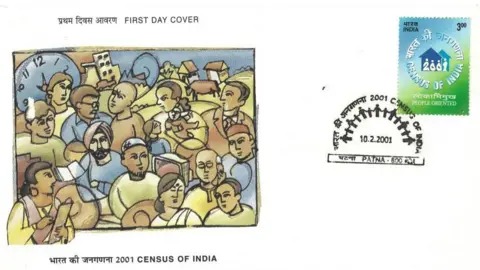
In the decades after Independence, India did something quietly ingenious: it turned stamps, postcards and envelopes into tools for counting its people. A new feature and archival material show how India Post became an unlikely backbone of the census, carrying not just letters but messages about why every household should be counted. Long before apps and portals, the postman was the state’s most familiar face in the village lane.
As India moves toward its next census, historians and economists are revisiting how the vast postal network helped a young republic gather data it desperately needed for elections, planning and welfare. The story is as much about trust and communication as it is about statistics and headcounts.
Postal Network As Census Amplifier
By the early post-Independence years, India had one of the world’s largest postal systems, reaching deep into rural and remote areas. Planners realised this grid could double up as a communication channel for the first national censuses of the new republic. Postal workers, who often read and wrote letters for semi-literate villagers, became informal census ambassadors explaining forms, dates and why the exercise mattered.
Messages On Stamps, Postmarks And Cards
For the early censuses, the government used special postmarks, stationery and later commemorative stamps to spread awareness. Visuals showed families, maps and slogans urging people to “get yourself and all your family counted”, making the census feel like a shared national project. Over time, postcards and envelopes carried short, repeated messages that normalised the idea that participation was a civic duty.
From Nation-Building To Population Debates
As policy priorities shifted, so did the imagery. By the 1960s and 1970s, some campaigns blended census themes with messages on family planning, smaller families and resource pressures. Stamps and postal material began to present counting not just as record-keeping, but as a way to understand and manage India’s fast-growing population.
Why This Postal History Still Matters
Curators and researchers argue that these small, everyday objects show how the state tried to build legitimacy through things people trusted and handled. They reveal a slow, analogue effort to persuade millions of citizens to see themselves in the “group photograph of the nation” that the census represents. Even now, as data collection shifts online, the core challenge remains: getting people to trust the process enough to be counted.
Census By Post Insights
- India Post used stamps, postmarks and cards to promote national censuses
- Postmen acted as local interpreters of census messages in low-literacy areas
- Slogans evolved from simple awareness to themes of modernity and technology
- Later visuals linked counting with debates on family planning and population
- New research and exhibitions use postal history to retell India’s census story
Sources: BBC News , India Post releases, and academic work on philately, population messaging and nation-building