US President Donald Trump has asserted that the military conflict with Iran will conclude immediately following the November midterm elections. Amid escalating maritime confrontations in the Persian Gulf and rising global fuel costs, the administration maintains that mounting economic pressure will reshape regional dynamics once domestic electoral events pass.
US President Donald Trump asserts that the ongoing military conflict with Iran will conclude immediately after the November congressional elections.
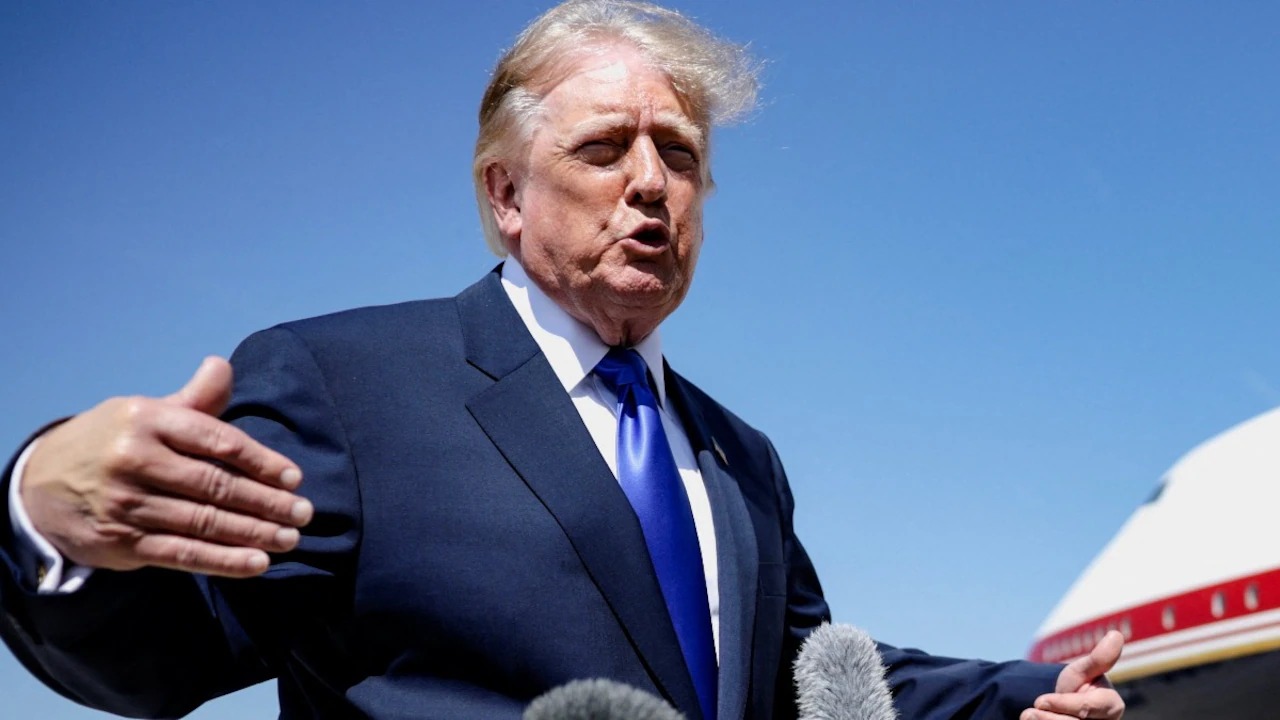
United States President Donald Trump claimed on September 9, 2026, that the ongoing war with Iran will end "immediately" following the upcoming US midterm elections. Speaking to reporters before departing for a political convention in Dallas, Texas, Trump asserted that Tehran is attempting to prolong the conflict to influence American voters, but maintained that the Iranian state is running out of economic and military endurance. The remarks arrive as the bilateral conflict enters its seventh month, coinciding with heightened naval skirmishes in the Persian Gulf and rising global energy costs.
Strategic Context and Maritime Escalations
The president's comments follow a sharp intensification of hostilities in strategic regional shipping lanes. According to operational briefings from the United States Central Command (CENTCOM) and reports compiled by Reuters, American forces recently targeted multiple Iranian vessels and oil tankers in the Gulf of Oman and near Kharg Island. The retaliatory strikes occurred after repeated missile assaults directed at US naval assets operating near the Strait of Hormuz.
According to administration briefings and statements published by the Associated Press (AP), the protracted maritime blockade and subsequent military engagements have driven benchmark Brent crude oil futures past $100 per barrel. While Trump downplayed the immediate necessity of formal diplomatic talks, he suggested that a comprehensive post-conflict settlement would encompass broader strategic demands alongside nuclear non-proliferation guarantees.
Economic Impact and Domestic Political Repercussions
For American consumers, businesses, and global energy markets, the ongoing hostilities have triggered mounting economic pressures. The surge in crude oil prices has directly fueled domestic inflation and contributed to a challenging political climate for the administration ahead of the November 3 congressional ballot. Investors and market analysts are closely monitoring supply chain disruptions across the Middle East, where energy transit through regional waterways remains vulnerable to ongoing military friction.
"According to officials, the administration maintains that sustained economic pressure and targeted security operations will compel a shift in Tehran's posture once domestic electoral timelines conclude."
Key Facts at a Glance
Timeline Prediction: US President Donald Trump stated that the war with Iran will cease immediately after the November 2026 midterm elections.
Operational Flashpoints: Recent US military actions targeted multiple Iranian naval vessels and oil tankers following attacks near the Strait of Hormuz.
Energy Market Impact: Ongoing disruptions pushed benchmark Brent crude oil prices above $100 per barrel.
Conflict Duration: The bilateral military confrontation has extended past six months of active engagement.
Frequently Asked Questions
When did US President Donald Trump predict the conflict with Iran would conclude? Trump stated that the war is expected to end immediately after the US midterm elections in November.
What factors did the White House cite regarding Iran's military endurance? The administration claimed that mounting economic pressure prevents Tehran from sustaining long-term hostilities.
How have recent military actions affected global energy markets? Tit-for-tat maritime strikes near the Strait of Hormuz pushed benchmark crude oil prices past $100 per barrel.
Where can official military updates and regional command reports be accessed? Verified operational summaries are published through the United States Central Command (CENTCOM) and major newswires like Reuters.
Source: United States Central Command (CENTCOM), Reuters, Associated Press (AP)