In the late hours of September 7 and through to the early morning of September 8, 2025, a spectacular celestial event will unfold—a total lunar eclipse, popularly called the “Blood Moon,” will be visible across most of India. This rare phenomenon occurs when the Earth comes dire...
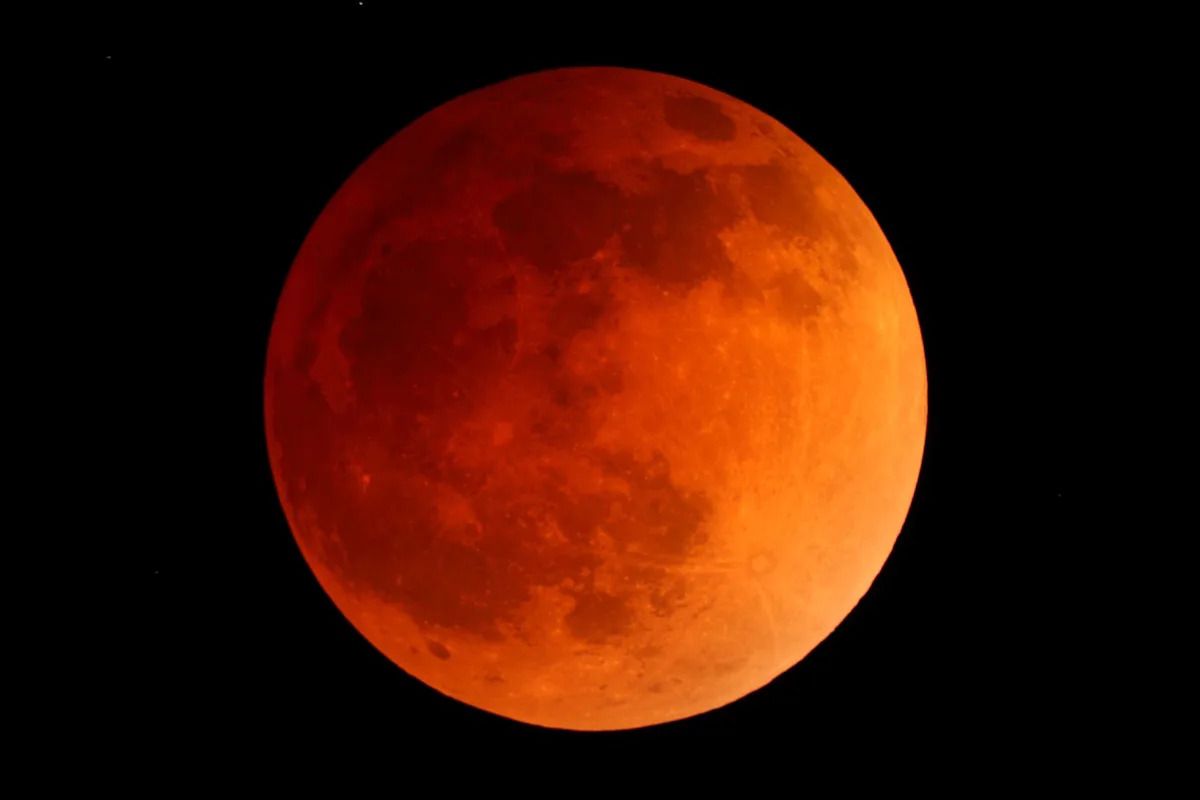
In the late hours of September 7 and through to the early morning of September 8, 2025, a spectacular celestial event will unfold—a total lunar eclipse, popularly called the “Blood Moon,” will be visible across most of India. This rare phenomenon occurs when the Earth comes directly between the Sun and the Moon, casting a reddish shadow and transforming the Moon into a striking orb of copper and crimson, captivating stargazers, astronomers, and photographers alike.
Key Highlights: What to Expect from September’s Blood Moon
India will be among the best places on Earth to witness the full “Blood Moon” eclipse, with an impressive 82 minutes of totality and excellent visibility across all major cities and regions.
The eclipse begins at 9:58 PM IST on Sunday, September 7, with totality (when the Moon turns red) starting at 11:00 PM IST and ending at 12:22 AM IST on Monday, September 8.
The entire event will span approximately 3 hours and 28 minutes, concluding at 1:26 AM IST.
Observers in Delhi, Mumbai, Kolkata, Hyderabad, Chennai, Bengaluru, Kochi, Lucknow, Jaipur, Ahmedabad, Pune, Bhubaneswar, Guwahati, Bhopal, Nagpur, and Raipur can watch the eclipse unfold, provided skies are clear and away from light pollution.
Why Is It Called a “Blood Moon”?
The Moon turns red during a total lunar eclipse due to Rayleigh scattering—when sunlight passes through Earth’s atmosphere, shorter blue wavelengths scatter away, letting longer red wavelengths bend toward and illuminate the Moon. This effect creates the dramatic red or orange hues, inspiring the term “Blood Moon.”
Ideal Viewing Tips and Locations
Best viewing spots include rooftops, terraces, open fields, or parks away from city lights, offering an unobstructed view of the night sky.
No special equipment or eye protection is required, unlike solar eclipses. Binoculars or a simple telescope can enhance the details of the lunar surface and rich color.
To photograph the Blood Moon, use a tripod to stabilize your camera or phone, switch to night or long exposure mode, and try burst shots for multiple frames. Manual settings with low ISO can minimize image noise and highlight the Moon’s glow.
Check local weather forecasts; clear skies will make all the difference.
Science and Cultural Context
A total lunar eclipse is also called “Chandra Grahan” in India and features prominently in astronomical calendars and cultural observances. This particular eclipse is a part of a sequence of occurring lunar eclipses, and being the second of 2025, follows a March event and precedes one in March 2026. The September eclipse happens just days before the Moon is closest to Earth, hence it will appear slightly larger than usual.
Global Reach and Online Viewing
The September 2025 Blood Moon will captivate audiences across Asia, Australia, Africa, and parts of Europe. There will also be livestreams hosted by astronomy portals for those unable to view it in person.
What Makes This Eclipse Special?
With more than 80 minutes of totality and visibility for millions, this eclipse is set to be the decade’s most stunning lunar spectacle for India. Whether you are a seasoned stargazer or a casual observer, the Blood Moon’s dramatic rise offers a memorable reason to step outside and witness nature’s grand cosmic display.
Sources: Hindustan Times, Kanak News, NDTV, Space.com, Wikipedia