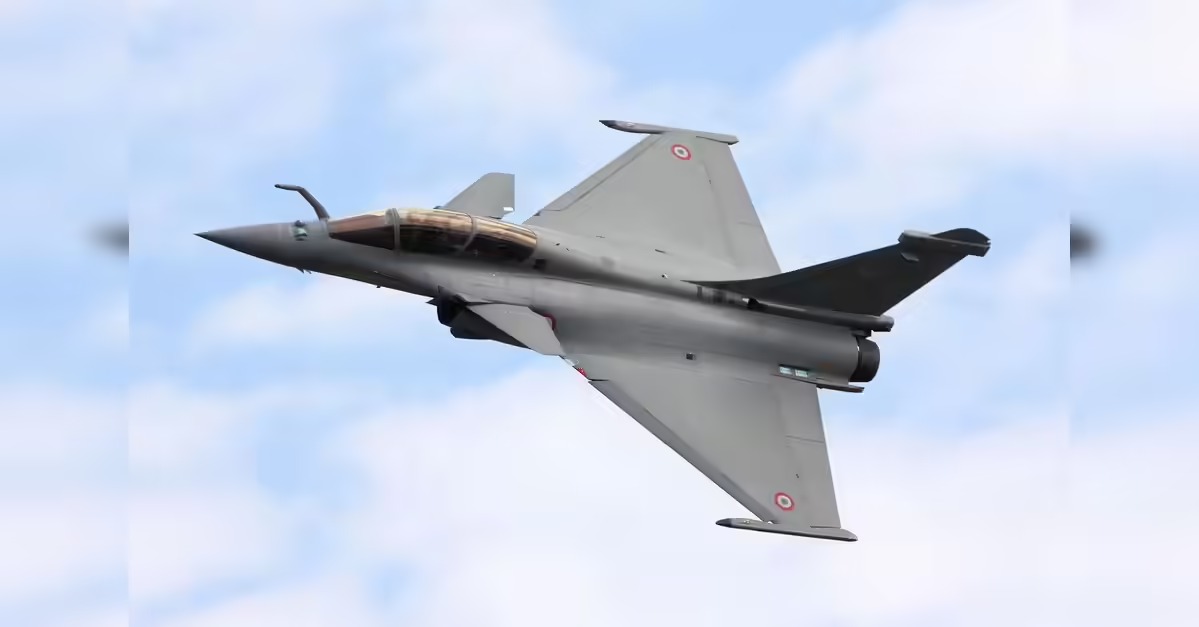
Dassault Aviation CEO Éric Trappier confirmed that France-India negotiations for 114 Rafale fighter jets are progressing steadily. Both nations aim to finalize the major defense contract by the end of the year. The multi-role aircraft procurement framework emphasizes deep industrial technology transfers and localized manufacturing to boost India's aerospace capabilities.
PARIS — Dassault Aviation CEO Éric Trappier confirmed that government-to-government negotiations between France and India for the acquisition of 114 Rafale fighter jets are actively continuing. Speaking at an industry briefing, Trappier stated that both nations are highly aligned and maintain a shared objective to finalize the comprehensive defense framework by the end of this calendar year. The development marks a critical juncture in India's long-term military modernization program as regional security dynamics evolve.
Accelerating the Multi-Role Fighter Aircraft Program
The ongoing France-India negotiations for 114 Rafale aircraft fall under the Indian Air Force's (IAF) Multi-Role Fighter Aircraft (MRFA) procurement initiative. The acquisition strategy is designed to arrest the steady depletion of the IAF's functional squadron strength, which currently operates below the sanctioned baseline of 42 squadrons.
According to executive updates from Dassault Aviation, the commercial roadmap heavily emphasizes structural transfer-of-technology clauses. Unlike previous off-the-shelf procurements, the current 114 Rafale framework mandates localized production frameworks in partnership with Indian defense enterprises, aligning directly with New Delhi's industrial self-reliance directives.
Industrial Scaling and Make in India Mandates
A primary focus area of the ongoing bilateral contract structuring centers on compliance with the Indian Ministry of Defence industrial regulations. To secure the 114 Rafale order, French aerospace conglomerates are establishing deeper domestic supply webs.
Localized Production: The majority of the 114 airframes are planned to be assembled domestically within India, utilizing local manufacturing hubs.
Joint Supply Ecosystems: Dassault, alongside engine manufacturer Safran and electronics specialist Thales, is expanding joint ventures to manufacture high-tier subcomponents locally.
Maintenance Independence: The framework integrates advanced Performance-Based Logistics (PBL) setups, ensuring domestic engineers can independently service the twin-engine platforms.
Defense industrial analysts suggest that concluding this contract by the end-year target would inject substantial long-term capital into India's aerospace manufacturing ecosystem, directly benefiting engineering firms, specialized component suppliers, and defense technology investors.
Strategic Context
India previously acquired 36 Rafale jets under a 2016 inter-governmental agreement, all of which have been fully integrated into operational service. Additionally, advanced talks have progressed for 26 marine-variant Rafale-M jets intended for the Indian Navy's aircraft carriers.
Impact on Regional Air Superiority and Geopolitics
The finalization of the 114 Rafale contract carries immediate operational weight for frontline defense stability. The Indian Air Force requires modern, multi-role platforms capable of executing long-range deterrence missions along its northern and western borders.
The integration of an additional 114 Rafale fighters would systematically standardize the IAF's fleet architecture. Operating a larger, unified fleet of a proven platform significantly lowers long-term training, logistics, and parts-inventory costs compared to maintaining multiple disparate aircraft types from various global vendors.
Official Sources Section
The updates regarding the current trajectory of the defense procurement are based on official international executive statements delivered by Dassault Aviation AM.PA leadership during corporate briefings, paired with regulatory tracking of ongoing defense acquisition council reviews published by the Indian Ministry of Defence.
Quote Section
"According to officials close to the bilateral defense steering committees, the technical evaluations have reached an advanced maturity level. Both sides are currently processing the fine-print commercial offsets and transfer-of-technology workshares to ensure a stable final text before the end-year target."
Why It Matters
For citizens and taxpayers, this multi-billion-dollar procurement represents a monumental allocation of national defense expenditure intended to guarantee long-term sovereign security. For global defense investors and aerospace corporations, the successful finalization of the France-India negotiations provides clear, long-term order-book visibility for Dassault Aviation and its core industrial partners well into the next decade.
Key Facts at a Glance
Target Scope: The inter-governmental negotiations focus on a total procurement volume of 114 multi-role fighter aircraft.
Target Timeline: Both the French and Indian negotiation teams are actively working toward a definitive contract sign-off by the end of 2026.
Industrial Mandate: The contract heavily integrates domestic assembly and technology transfer to support indigenous manufacturing ecosystems.
Operational Precedent: The deal expands upon India's existing operational fleet of 36 standard Rafale fighters and parallel naval variants.
Frequently Asked Questions (FAQ)
What is the primary focus of the current France-India negotiations?
The negotiations aim to finalize a contract for 114 Dassault Rafale fighter aircraft under India's Multi-Role Fighter Aircraft (MRFA) modernization program.
When do both countries expect to finalize the Rafale agreement?
According to Dassault Aviation CEO Éric Trappier, both nations are working toward a shared target to conclude negotiations by the end of the year.
Will these 114 Rafale jets be manufactured in India?
Yes, the core framework of the MRFA procurement requires the selected global vendor to establish localized assembly lines and transfer key technical competencies to domestic Indian partners.
Sources: