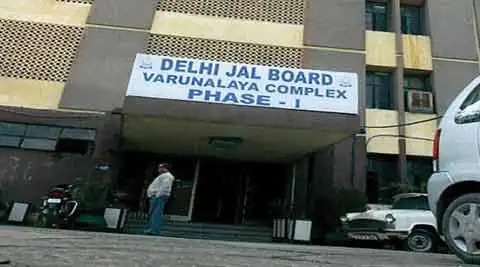
The Delhi Jal Board approved ₹4,500 crore in infrastructure projects, including 250 water ATMs and 15 decentralised sewage treatment plants. Spearheaded by Water Minister Parvesh Sahib Singh, the initiative aims to provide safe drinking water to public schools while preventing untreated wastewater from contaminating the Yamuna River.
NEW DELHI, July 30, 2026 — The Delhi Jal Board (DJB) approved a series of major water supply and sewerage infrastructure projects worth nearly ₹4,500 crore during its 179th board meeting on Wednesday, setting the stage for significant public utility upgrades across the national capital. Announced by Delhi Water Minister and DJB Chairman Parvesh Sahib Singh, the comprehensive plan includes the installation of 250 water ATMs across the city and the construction of 15 decentralised sewage treatment plants (DSTPs). The initiatives represent a decisive attempt by urban administrators to boost drinking water availability in public institutions while addressing long-standing sewage treatment deficits that pollute the Yamuna River.
Expanding Safe Drinking Water Access via 250 Water ATMs
Under the approved proposals, the Delhi government will allocate ₹58 crore to install 250 water ATMs across various districts in the capital. According to official project specifications released by the board, the deployment will begin at government schools before expanding to designated high-footfall public locations and water-stressed neighborhoods.
The water ATM initiative builds on earlier decentralized water distribution frameworks operated under the Smart City Mission. By placing automated drinking water dispensing units in public institutions, municipal authorities aim to guarantee purified drinking water access for students and visitors while reducing reliance on localized groundwater extraction and private water tankers.
| Project Component | Allocated Budget | Target Scope & Capacity | Primary Beneficiaries |
| 250 Water ATMs | ₹58 crore | Public dispensing units starting at government schools | Students, commuters, and public visitors |
| 15 Decentralised STPs (DSTPs) | ~₹2,000 crore | 103.5 Million Gallons per Day (MGD) total capacity | ~20 lakh residents in unsewered areas |
| In-Situ Wastewater Treatment | ₹65 crore | Bioremediation for Najafgarh and Delhi Gate drains | Yamuna river basin ecosystems |
| Sewer Infrastructure Expansion | Part of ₹4,500 crore | 1,000 km lines in 244 colonies & 57 villages | ~33 lakh residents gaining network access |
Constructing 15 Decentralised Sewage Treatment Plants
To address wastewater treatment gaps, the DJB sanctioned approximately ₹2,000 crore for the establishment of 15 decentralised sewage treatment plants (DSTPs). Once operational, these 15 decentralised sewage treatment plants will add a combined treatment capacity of 103.5 million gallons per day (MGD) to Delhi's municipal network.
According to technical filings from the meeting, the decentralized strategy targets unsewered pockets where transferring wastewater to massive centralized plants was previously logistically unfeasible or cost-prohibitive. The project framework mandates a 15-year operation and maintenance contract by executing agencies to ensure long-term functionality. Officials estimate that these 15 decentralised sewage treatment plants will directly benefit nearly 20 lakh residents by improving local sanitation and preventing raw sewage overflow into open stormwater channels.
Yamuna River Rejuvenation and Raw Water Storage Upgrades
Beyond the installation of 250 water ATMs and 15 decentralised sewage treatment plants, the Delhi Jal Board approved targeted measures to tackle major river pollution sources. A budget of ₹65 crore was earmarked for in-situ bio-treatment of the Najafgarh and Delhi Gate drains, which historically account for a dominant portion of the organic pollution load entering the Yamuna River.
Additionally, the board approved the revival and desilting of the Wazirabad Pondage Area to expand Delhi’s raw water holding capacity from one day to up to three days. To strengthen raw water supply channels during summer dry spells, the DJB sanctioned a pre-feasibility study by IIT Roorkee to evaluate a ₹7,240-crore dedicated pipeline carrying 1,050 cusecs of raw water from the Munak Regulator directly to the Haiderpur treatment facility.
Official Sources Section
According to official project disclosures published by the Delhi Jal Board, the municipal clearances granted during the 179th board meeting support the city's broader Master Plan for Sanitation. Details regarding project tenders and execution schedules are managed through the Government of NCT of Delhi portal.
Quote Section
"According to officials and municipal engineers, expanding decentralized treatment capacity ensures that wastewater is intercepted and treated near its source before reaching major river channels."
Why It Matters
The decision to install 250 water ATMs and 15 decentralised sewage treatment plants represents a dual-track approach to Delhi's urban water crisis. For residents in peripheral colonies, expanding sewer networks reduces public health hazards associated with untreated wastewater. Concurrently, adding 250 water ATMs at schools and public hubs provides low-cost, reliable drinking water, shielding vulnerable populations from seasonal shortages.
Key Facts at a Glance
Drinking Water Project: Deployment of 250 water ATMs costing ₹58 crore, starting in government schools.
Sewage Infrastructure: Construction of 15 decentralised sewage treatment plants adding 103.5 MGD capacity for 20 lakh people.
Network Coverage: Extension of sewer lines across 244 unauthorized colonies and 57 villages, benefiting 33 lakh citizens.
River Cleaning: ₹65 crore sanctioned for in-situ wastewater treatment in Najafgarh and Delhi Gate drains.
Raw Water Backup: Wazirabad Pondage revival to increase water holding capacity up to three days.
Frequently Asked Questions (FAQs)
Where will the 250 water ATMs be installed in Delhi?
Initial installations of the 250 water ATMs will take place inside government schools across the capital before expanding to public transit hubs and unserved residential areas.
How do the 15 decentralised sewage treatment plants help clean the Yamuna?
By treating wastewater locally at a capacity of 103.5 MGD, these 15 decentralised sewage treatment plants prevent untreated sewage from flowing into open storm drains that empty into the Yamuna River.
How many residents will benefit from the new sewerage projects?
The 15 decentralised sewage treatment plants will directly serve 20 lakh residents, while overall sewer line expansions will connect 33 lakh people in unauthorized colonies and rural villages.
Where can citizens monitor Delhi Jal Board updates?
Official project updates and municipal circulars are available on the Delhi Jal Board portal and the main website of the Government of NCT of Delhi.
Source: Delhi Jal Board, Government of NCT of Delhi