The Delhi High Court ordered the takedown of explicit, deepfake, and commercially abusive content involving actor Janhvi Kapoor. However, Justice Anup Jairam Bhambhani cautioned that personality rights claims are "going out of hand" and refused a blanket ban on fan pages, citing free speech considerations.
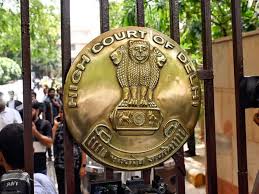
NEW DELHI — The Delhi High Court issued an interim order directing internet platforms and government authorities to take down explicit, pornographic, and deepfake content targeting actor Janhvi Kapoor. However, single-judge Justice Anup Jairam Bhambhani firmly refused to issue a sweeping dynamic injunction against thousands of web pages, observing that the expanding scope of celebrity personality rights litigation is "going out of hand".
Kapoor filed a civil lawsuit in the High Court seeking protection for her publicity rights against 6,884 URLs. Her petition highlighted artificial intelligence (AI)-generated deepfakes, impersonation profiles, unauthorized merchandise, and commercial exploitation of her image and voice across social media platforms, chatbots, and e-commerce websites.
Judicial Concerns Over Overbroad Relief and Free Speech
While acknowledging the necessity of protecting individuals from explicit or deceptive material, Justice Bhambhani questioned the feasibility and legality of granting blanket restraint orders against thousands of URLs at once. The bench expressed concerns that broad injunctions risk shutting down legitimate fan clubs, commentary, satire, and public discourse protected under free speech principles.
The court urged legal counsels to assist in establishing clear boundaries, noting that personality rights jurisprudence must balance individual privacy with public domain interactions.
"I want you all to assist me to bring some sanity to the concept of personality rights. It is going out of hand," Justice Bhambhani orally remarked during the hearing. "We cannot stop free speech, restrain everything. How can you shut down all fan clubs? You are a public personality."
The court further noted that photographs taken at public events carry independent third-party copyrights, complicating claims that seek to universally prohibit all online dissemination of a public figure's likeness.
Categorized Takedown Orders Established
Rather than granting an omnibus injunction, the High Court categorized the requested reliefs into distinct brackets, granting interim takedown orders for three specific categories:
Ex-facie Obscene and Pornographic Material: Including AI-generated deepfake images and profanity targeting the actor.
Direct Commercial Monetization: Accounts and platforms directly monetizing Kapoor's personality traits without authorization.
Unauthorized Merchandise & Services: Commercial listings using her name, face, or likeness to sell goods or promote services.
The court directed intermediary platforms, including Meta Platforms and X Corp, along with Ministry of Electronics and Information Technology (MeitY) authorities, to disable and remove content matching these specific categories upon notification.
Context: Evolving Personality Rights Jurisprudence in India
The ruling comes amid a surge in personality rights suits filed by prominent Indian figures seeking comprehensive orders against digital misuse. Over the past two years, the Delhi High Court has issued interim protective orders for various celebrities, actors, cricketers, and public figures—including Tabu, Yuvraj Singh, Abhishek Sharma, Shashi Tharoor, and Pawan Kalyan.
However, the judicial pushback in Kapoor's matter reflects growing scrutiny regarding the potential misuse of ex-parte dynamic injunctions. Legal experts note that the decision sets a crucial precedent distinguishing between malicious deepfakes or unauthorized commercial exploitation versus non-commercial fan activities, critical commentary, and creative lampooning.
Official Sources Section
According to official judicial records and court proceedings:
Quote Section
"I do not incline to grant any blanket orders in the name of personality rights," stated Justice Anup Jairam Bhambhani during court proceedings. "Where there is obscenity or monetising or extremely egregious or inappropriate content I am with you, but how can you shut down all fan clubs? Who is immune these days? Everyone who is in the public domain is being abused left, right and centre."
Why It Matters
The Delhi High Court's ruling establishes a balanced legal precedent for digital rights in India. While reinforcing strict protections against deepfakes, AI-generated obscenity, and commercial fraud, the court drew a clear boundary against using personality rights to restrict free expression, fan interactions, and legitimate commentary on social media.
Key Facts at a Glance
Interim Relief Granted: Orders issued to take down explicit, pornographic, deepfake, and unauthorized commercial merchandise content.
Blanket Ban Denied: The court refused to issue sweeping injunctions covering 6,884 URLs or shut down non-commercial fan pages.
Judicial Observation: The court noted that personality rights claims are "going out of hand" and require judicial restraint to protect free speech.
Next Hearing Date: The matter has been listed for detailed further arguments on August 17, 2026.
FAQ Section
What did the Delhi High Court order in Janhvi Kapoor's case?
The court ordered the immediate removal of explicit, deepfake, pornographic, and unauthorized commercial content using Janhvi Kapoor's name or likeness.
Why did the court refuse a blanket ban on fan pages?
The court observed that fan pages are part of legitimate public discourse, satire, and fan engagement protected by free speech principles, which cannot be shut down under broad injunctions.
What are personality rights in Indian law?
Personality rights allow public figures to control the commercial exploitation of their identity, voice, image, and name, protecting them against unauthorized endorsements, impersonation, and fraudulent use.
Are deepfakes covered under personality rights protections?
Yes. Courts recognize AI-generated deepfakes and manipulated images created without consent as severe violations of personality, privacy, and publicity rights.
Source: Official court transcripts, order sheets, and legal proceedings from the High Court of Delhi and regulatory communications from the Ministry of Electronics and Information Technology.