The Delhi government has launched an ₹8,300 crore, seven-year "Clean Air, Healthy Delhi" initiative, 65% funded by the World Bank. Running from 2026 to 2033, the project targets vehicular emissions, construction dust, and waste management to provide long-term improvements to the capital's air quality and public health outcomes.
NEW DELHI — The Delhi government has unveiled a comprehensive, seven-year project titled "Clean Air, Healthy Delhi" to address the national capital’s persistent air pollution crisis. The initiative, which carries an estimated outlay of ₹8,300 crore, is set to be implemented from September 2026 through August 2033. The project marks a significant scaling up of the city’s environmental governance, with 65% of the funding supported by the World Bank and the remaining 35% contributed by the Delhi government.
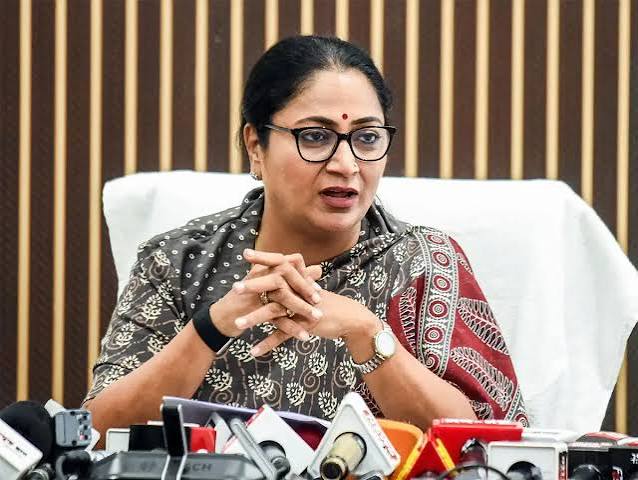
Chief Minister Rekha Gupta announced the rollout of the project, emphasizing that the initiative is designed to transition Delhi from reactive pollution management to a scientific, long-term mitigation framework. The project aligns with the objectives of the National Clean Air Programme (NCAP) and aims to contribute to the broader vision of "Viksit Bharat 2047."
Strategic Pillars for Pollution Mitigation
According to official government statements, the initiative rests on two core pillars: strengthening air quality management and reducing emissions from major urban pollution sources.
To enhance management, the government plans to establish a dedicated Project Management Unit (PMU) to ensure mission-mode execution. Central to this pillar is the deployment of advanced data analytics and the establishment of an Integrated Command and Control Centre (ICCC) to provide real-time air quality monitoring. These systems are intended to improve inter-departmental coordination and foster collaboration with states across the Indo-Gangetic Plain.
The second pillar targets the primary drivers of Delhi’s poor air quality. The action plan includes:
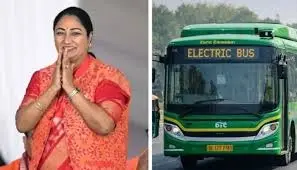
Transportation Reform: Accelerating the phase-out of older, polluting vehicles and expanding the public transport fleet to 13,760 buses by 2028-29, with a primary focus on electric vehicles.
Infrastructure and Dust Control: Deploying mechanical road sweepers and water sprinklers, while redeveloping 3,500 km of roads with paved surfaces and green buffers.
Construction Oversight: Utilizing an AI-enabled portal for the real-time tracking, geo-tagging, and enforcement of construction and demolition (C&D) waste guidelines.
Waste Management: Setting firm deadlines for the remediation of legacy landfill sites, including Okhla (July 2026), Bhalswa (December 2026), and Ghazipur (December 2027).
Official Sources and Implementation
The project’s roadmap was finalized following a high-level review meeting and a consultative workshop involving various agencies, including the Delhi Pollution Control Committee, the Transport Department, the Public Works Department, and the Municipal Corporation of Delhi.
"The project represents a robust execution model with financial backing, strict timelines, and accountability at every level," Chief Minister Rekha Gupta stated during the launch. The Department of Economic Affairs and the World Bank serve as key partners, ensuring that the project adheres to international standards for urban environmental management.
Why It Matters
For Delhi’s residents, this initiative represents a long-term commitment to public health. With the city frequently recording hazardous air quality indices (AQI) during winter months, the project addresses the need for year-round, structural improvements rather than relying on temporary meteorological shifts or emergency measures. By targeting sectors like construction dust and vehicular emissions, the government aims to reduce the long-term health risks associated with chronic exposure to particulate matter.
Key Facts at a Glance
Budget: ₹8,300 crore, with 65% World Bank funding.
Timeline: September 2026 to August 2033.
Fleet Target: Expansion to 13,760 buses by 2028-29, prioritizing electric models.
Landfill Deadlines: Phased closure of major legacy sites between 2026 and 2027.
Technology: Implementation of AI-based C&D portals and an Integrated Command and Control Centre.
FAQ
What is the main goal of the 'Clean Air, Healthy Delhi' project?
The project aims to reduce air pollution by strengthening air quality monitoring and cutting emissions from transport, construction, industrial, and waste sources over a seven-year period.
How will the project be funded?
The initiative is funded through a partnership, with 65% coming from the World Bank and 35% provided by the Delhi government.
Will this project lead to stricter vehicle rules?
Yes, the plan includes the phase-out of older vehicles and the strict implementation of "No PUC, No Fuel" norms, alongside a major push for electric vehicles.
How can citizens participate?
The government plans to upgrade the 311 platform to improve citizen reporting and deploy ward-level "Vayu Rakshak" teams to monitor and mitigate local pollution hotspots.
Source: The Hindu, Urban Update, The Patriot