Born from critical necessity among 1947 Partition refugees, a simple, affordable sustenance dish has undergone a 70-year evolution to become Delhi's most-cherished breakfast. This transformation, a visible symbol of resilience, supported by an entire micro-economy, cements it as an undisputed icon of the city's rich, complex cultural and culinary identity.
NEW DELHI — In the immediate, chaotic aftermath of the 1947 Partition, which displaced millions across newly drawn borders, hundreds of thousands of refugees arrived in Delhi, seeking shelter and sustenance. Facing extreme hardship and limited resources, these displaced populations relied on simple, affordable dishes for survival. Seven decades later, one of those very dishes, born of necessity in the refugee camps of old Delhi, has evolved to become the city's undisputed, most-cherished breakfast, deeply ingrained in its cultural and culinary identity.
Post-Partition Survival Food in Delhi
The Partition of British India in 1947 resulted in one of the largest mass migrations in human history. Delhi, as a major center, received an overwhelming influx of refugees from West Punjab and Sindh. According to historical records from the Delhi Government's Department of Archives, the city's population nearly doubled in a short span, straining infrastructure and food supplies. Refugee camps, such as those in Kingsway Camp and Purana Qila, were set up to house the displaced. In these camps, resources were critically scarce. The focus was solely on providing enough nutrition to survive, using the most inexpensive, readily available ingredients. Dishes that required minimal ingredients and elaborate preparation were essential. The dish that eventually captured Delhi's heart was precisely this kind of humble sustenance, often made with basic grains or legumes available through government rations or local charity.
Evolution of a Culinary Identity
The transformation from a meal of necessity to a gourmet favorite was gradual and driven by the refugees themselves. As the displaced populations began to rebuild their lives and integrate into Delhi's fabric, many established small eateries and food stalls, particularly in areas like Chandni Chowk, Karol Bagh, and Lajpat Nagar, which had significant refugee concentrations. They continued making the foods they knew, often the very survival dishes they had relied on, but with slow, steady improvements. As economic conditions bettered, these cooks could afford slightly more varied spices, better-quality oils, and more diverse side dishes to accompany the main staple. This evolution was not just about adding flavor; it was about adding dignity and a sense of belonging. The dish became a link to their past, an expression of resilience, and a new identity in their adopted city. Gradually, it transcended its refugee origins, gaining popularity among all of Delhi's residents and eventually securing its place as the signature breakfast.
Contemporary Significance
Today, the dish is no longer associated with poverty or struggle but is celebrated for its rich, complex flavors and cultural significance. It is readily available throughout the city, from legendary, decades-old establishments in Old Delhi to modern, high-end restaurants, showcasing its universal appeal. It is the go-to breakfast for students, office workers, tourists, and families alike, serving as a unifying culinary force in a diverse city. The immense popularity of this single dish has profound implications:
For Residents: It provides a common, daily culinary ritual and a source of pride in their city’s heritage.
For Businesses: The dedicated breakfast stalls and restaurants specializing in this dish form a significant, vibrant micro-economy, supporting thousands of livelihoods.
For Tourism: The dish has become a major draw for domestic and international culinary tourists, who flock to historic eateries to experience this authentic taste of Delhi. This supports the broader travel and hospitality sector in the capital.
For Cultural Preservation: Its continued dominance ensures that a crucial piece of Delhi’s historical narrative, rooted in resilience and adaptation, is kept alive and tangible for new generations. It is a living testament to how people can not only survive but thrive and enrich their culture after great trauma.
Official Sources Section
While there is no single "Official Breakfast Commission," the significance of this post-Partition culinary heritage is documented by and evident through several official entities. Historians and archivists at the Delhi Government's Department of Archives maintain records and oral histories detailing the living conditions and food situations in 1947 refugee camps. The Delhi Tourism and Transportation Development Corporation (DTTDC) explicitly promotes the city’s historic breakfast offerings, recognizing their cultural and economic value. Furthermore, the Food Safety and Standards Authority of India (FSSAI), through its initiatives like "Eat Right India," engages with and regulates the thousands of street food vendors who are primary purveyors of this beloved breakfast, acknowledging their central role in the city's food ecosystem.
Quote Section
"Historians note that the food culture in Delhi underwent a dramatic and lasting shift post-1947. What were initially rudimentary meals of survival for displaced millions, prepared with minimal resources in refugee camps, were slowly refined over decades. These resilience-born dishes gradually integrated into the city’s identity, eventually becoming celebrated culinary institutions. This transition highlights how communities adapt and find comfort in shared food during times of immense upheaval, with these dishes ultimately serving as tangible links to their history and a source of pride for the city." — According to historians and cultural commentators.
Why It Matters
The transformation of a 1947 Partition survival food into Delhi's top breakfast is a powerful and visible symbol of resilience, adaptation, and cultural fusion. It demonstrates how, even in the darkest chapters of history, people find ways to persevere and create something lasting and positive. For Delhiites, consuming this dish is not just a morning meal; it's a connection to the city's complex past and a celebration of its vibrant, enduring spirit. The dish stands as a testament to the fact that cultural identity can be both preserved and enriched through shared, everyday experiences like food.
Key Facts at a Glance
Origin: The dish originated as a simple, affordable staple for hundreds of thousands of refugees who arrived in Delhi after the 1947 Partition.
Survival to Celebration: It has evolved from a minimal sustenance food into Delhi's most-beloved, signature breakfast.
Historical Documentation: The challenges of feeding the displaced population are documented by the Delhi Government's Department of Archives.
Economic Hub: Hundreds of dedicated eateries and thousands of street vendors across the city specialize in this dish, supporting a significant micro-economy.
Promoted Heritage: The Delhi Tourism Corporation recognizes and promotes these historic breakfasts as a key part of the city’s cultural tourism appeal.
FAQ Section
1. What specific dish is this article referring to?
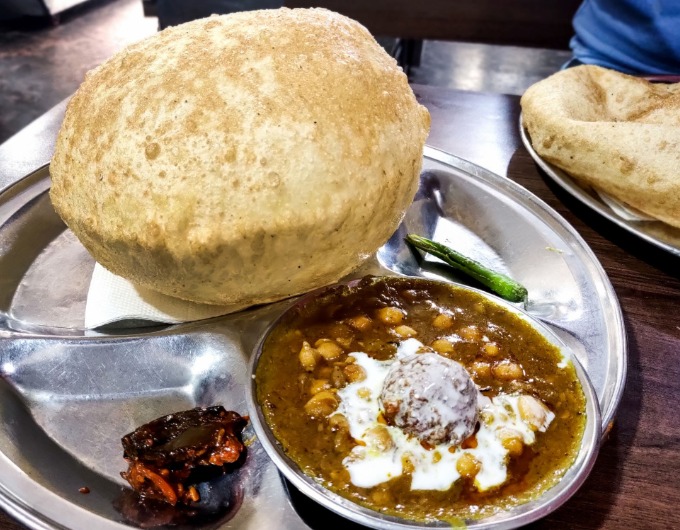
While the text refers to a type of food born from necessity, in Delhi, the dish that most epitomizes this post-Partition journey from refugee camps to culinary stardom is Chole Bhature. Its roots in West Punjab and its subsequent explosive popularity in the capital align perfectly with this narrative.
2. Are there other post-Partition dishes that are popular in Delhi?
Yes, many of Delhi's now-iconic foods have post-Partition roots. For example, butter chicken and dal makhani, while more lunch or dinner items, also have strong historical connections to refugee-established eateries. However, Chole Bhature is uniquely dominant in the breakfast category.
3. Why is this specific dish, rather than others, so strongly linked to the Partition narrative in Delhi?
Chole Bhature was a relatively simple dish to prepare in large quantities with basic ingredients that were often more readily available, even in difficult times. Its combination of affordable legumes and a fried bread made it a filling and sustaining option.
4. Where can you find the best version of this breakfast in Delhi today?
This is a subject of intense (and friendly) debate! Many historic, legendary establishments in old Delhi (like in Chandni Chowk) and other areas with significant post-Partition history (like Lajpat Nagar or Karol Bagh) claim to serve the most authentic and delicious versions. It’s best to explore a few well-regarded spots.
5. How has the dish changed since 1947?
The core components remain, but the quality, variety of spices, and accompaniments have been dramatically refined. Modern versions might feature richer, more complex chole gravies, bhature made with different types of flours (even paneer-stuffed), and a wider array of pickles and chutneys, reflecting the city’s increased prosperity.
Source: Delhi Government Department of Archives, Delhi Tourism and Transportation Development Corporation (DTTDC), historical studies on post-Partition Delhi, oral histories, food critics, and long-standing eateries in historic districts.