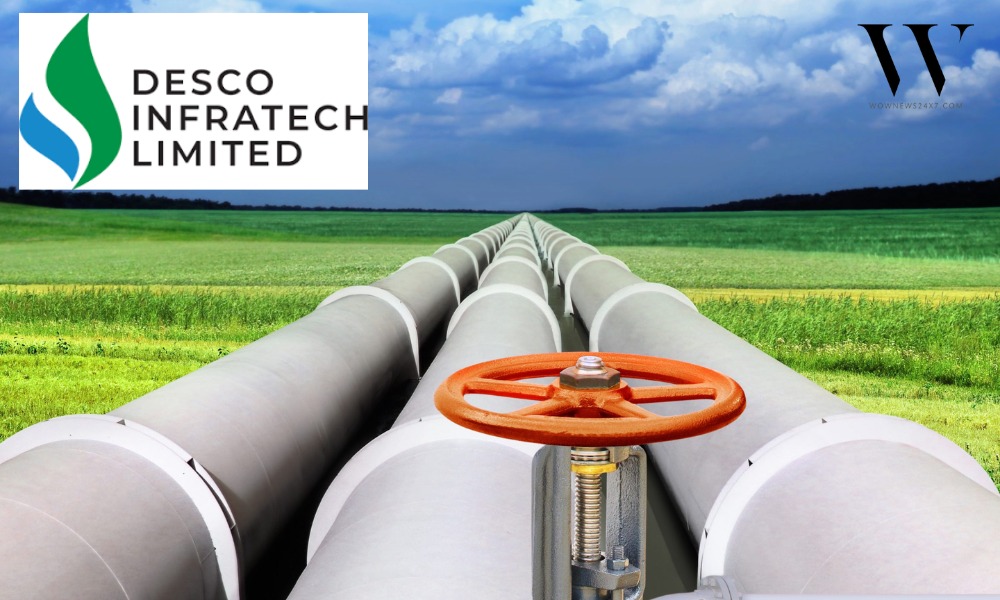
Desco Infratech has commissioned Phase-I of its 5 TPD Compressed Biogas plant in Bulandshahr. This waste-to-energy facility processes agricultural residue to produce clean fuel, supporting local waste management and providing a sustainable energy alternative while promoting a circular economy through the production of organic manure.
BULANDSHAHR — Desco Infratech Limited announced on Wednesday, June 24, 2026, that it has successfully commissioned the Phase-I operations of its new Compressed Biogas (CBG) manufacturing facility located in Bulandshahr, Uttar Pradesh. The plant, designed with a capacity of 5 tonnes per day (TPD), represents a strategic expansion of the company’s clean energy portfolio and aligns with national goals for waste-to-energy conversion.
The commissioning of this CBG plant is a critical step in addressing local agricultural waste challenges while simultaneously producing a sustainable fuel alternative. By converting biomass—primarily agricultural residue—into compressed biogas, the facility provides an efficient waste management solution that reduces reliance on fossil-fuel-based energy in rural and semi-urban districts.
Scaling Waste-to-Energy Infrastructure
The Phase-I launch includes the setup of essential anaerobic digestion units and purification systems necessary for the production of high-quality CBG. According to the company's operational roadmap, the plant is expected to ramp up to its full 5 TPD capacity by the end of the third quarter of 2026.
Desco Infratech has integrated advanced engineering standards into the plant to ensure maximum methane yield, which is essential for commercial viability. The project is situated in a region heavily reliant on agricultural activities, allowing the facility to secure a consistent supply of feedstock, such as crop stubble and cattle dung, which are otherwise disposed of through environmentally harmful practices like open-field burning.
Strategic Economic and Environmental Impact
The establishment of this CBG plant has multiple implications for the Bulandshahr region. Beyond the production of clean energy, the facility supports the "circular economy" model by generating organic fermented manure as a byproduct, which can be utilized by local farmers to enhance soil health.
For businesses and industrial stakeholders, the project highlights the growing commercial attractiveness of renewable gas. With government subsidies under the SATAT (Sustainable Alternative Towards Affordable Transportation) initiative, projects of this scale are becoming increasingly viable. The facility serves as a blueprint for how mid-sized infrastructure firms can successfully pivot toward green-tech, reducing carbon footprints while generating diversified revenue streams.
Official Sources and Technical Governance
The plant’s commissioning followed successful safety audits and environmental compliance testing conducted by regional pollution control authorities. In its formal regulatory intimation, Desco Infratech confirmed that the site meets all operational guidelines required for the production and storage of compressed biogas.
Quote Section
According to officials, the successful commissioning of Phase-I confirms the company's ability to execute decentralized waste-to-energy projects with efficiency. Organizers stated that the facility is already operating within safety parameters and is on track to achieve full-scale production within the planned timeframe.
Why It Matters
For citizens, the plant serves as a vital component in improving air quality by reducing agricultural residue burning, a primary cause of seasonal pollution in Northern India. For investors, the investment in Desco Infratech's CBG capacity reflects the company’s strategic commitment to the rapidly expanding renewable energy sector. As India seeks to achieve its Net Zero emissions targets by 2070, the role of decentralized, community-based biogas projects is becoming increasingly significant in the broader energy mix.
Key Facts at a Glance
Plant Capacity: 5 TPD (Tonnes Per Day) of Compressed Biogas.
Location: Bulandshahr, Uttar Pradesh.
Technology: Anaerobic digestion of agricultural and organic waste.
Sustainability Impact: Provides a market for farm waste, reducing open burning, and producing bio-fertilizer as a byproduct.
Operational Timeline: Phase-I is currently active, with full-capacity production expected by Q3 2026.
FAQ Section
1. What is a 5 TPD CBG plant?
A 5 TPD Compressed Biogas (CBG) plant is a facility designed to process 5 tonnes of organic waste—such as cow dung or agricultural residue—per day to produce clean, compressed biogas for use as automotive fuel or industrial energy.
2. How does the plant benefit local farmers?
The plant purchases agricultural residue from farmers, providing them with an income source while reducing the need to burn stubble, which helps improve local air quality and soil health.
3. Is the gas produced at this plant safe for vehicles?
Yes, the CBG produced undergoes rigorous purification to reach automotive-grade standards, making it a viable, eco-friendly alternative to traditional CNG.
4. Where can I find more details on Desco Infratech's renewable energy projects?
Detailed project reports and official corporate updates are available on the company’s Investor Relations portal and through filings submitted to the Bombay Stock Exchange (BSE).
Source: Desco Infratech Regulatory Filings, Ministry of Petroleum and Natural Gas - SATAT Scheme, Uttar Pradesh Pollution Control Board Guidelines