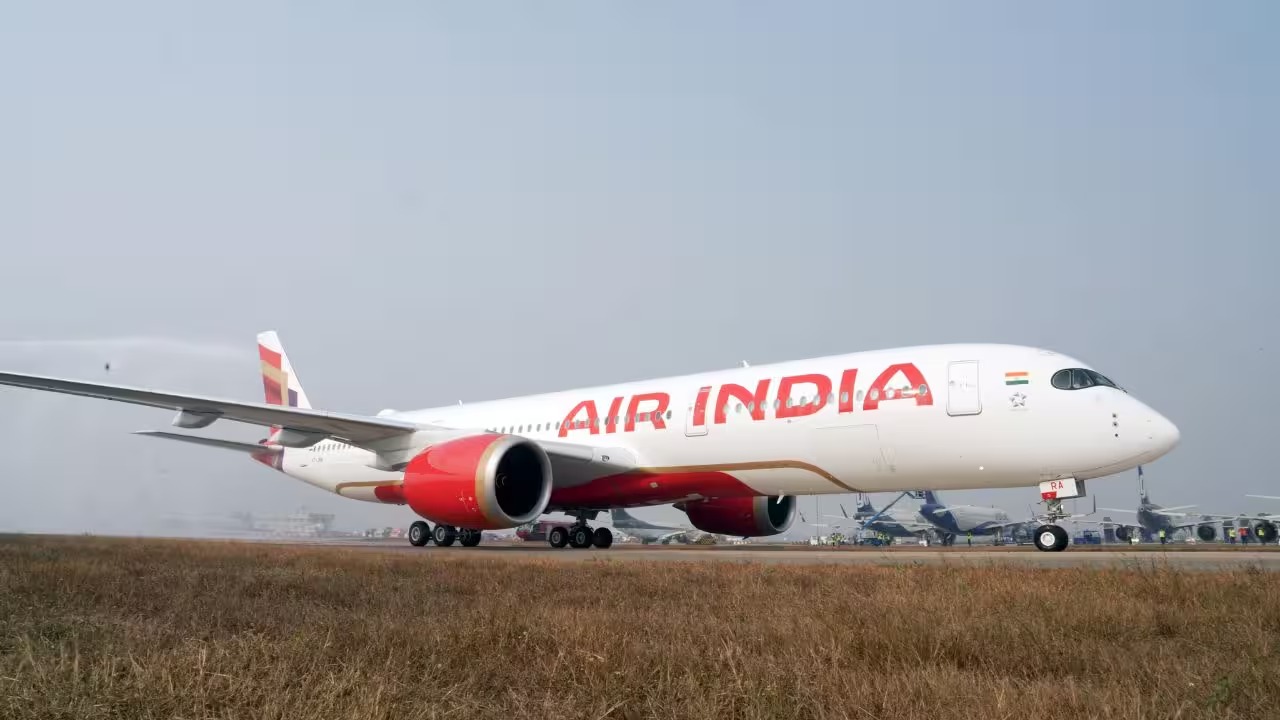
Air India has secured formal approval from the Directorate General of Civil Aviation (DGCA) to deploy electronic technical logbooks across its Boeing 787 and Boeing 777 fleets. The digital shift replaces traditional paper logs with real-time defect tracking, enhancing long-haul turnaround efficiency, regulatory compliance, and operational reliability.
Air India receives regulatory clearance from the Directorate General of Civil Aviation to implement electronic technical logbooks across its Boeing 787 and Boeing 777 fleets.
Introduction to Fleet Digitalization
In a significant regulatory milestone for Indian aviation, the Directorate General of Civil Aviation (DGCA) has formally approved Air India to implement electronic technical logbooks (eTLB) across its widebody aircraft operations. Announced in New Delhi, the regulatory authorization permits Air India to phase out traditional paper-based maintenance and defect recording systems on its prominent Boeing 787 and Boeing 777 fleets. This transition marks a critical step in the airline's comprehensive modernization and digital transformation roadmap.
The adoption of electronic technical logbooks modernizes how flight crews and ground engineering teams record flight progress, technical snags, and scheduled maintenance requirements. By moving away from physical paper documentation, Air India aims to streamline operational workflows, eliminate transcription errors, and ensure real-time data synchronization between airborne operations and ground engineering control centers.
Regulatory Framework and Operational Scope
The approval granted by the DGCA follows rigorous safety assessments and evaluations of the software architecture proposed by Air India for its widebody operations. The Boeing 787 Dreamliner and Boeing 777 fleets form the backbone of Air India's long-haul and ultra-long-haul international network, operating high-frequency routes connecting major Indian hubs to destinations across North America, Europe, and the Middle East.
According to official regulatory guidelines, the electronic technical logbook system must maintain compliance with established airworthiness standards and civil aviation requirements. The approved platform allows pilots and licensed aircraft maintenance engineers (AME) to digitally certify journey logs, record technical defects, and verify maintenance releases directly through secure onboard and ground-network interfaces.
Impact on Operations, Engineering, and Travelers
The introduction of electronic technical logbooks yields substantial operational efficiencies for Air India's engineering department and flight operations. Real-time data transmission significantly reduces turnaround times at domestic and international transit stations, as maintenance snags can be communicated to engineering hubs before the aircraft touches down.
For travelers and business stakeholders, the shift translates to enhanced schedule reliability and minimized dispatch delays caused by manual logbook verification processes. Furthermore, the digitalization initiative supports broader sustainability objectives by reducing paper consumption and administrative overhead across the carrier's widebody network.
Official Sources and Statements
Regulatory oversight and procedural compliance for the electronic technical logbook rollout are governed by standard statutory frameworks administered by India's principal civil aviation authority.
"According to officials, the approval for the electronic technical logbook system on the Boeing 787 and Boeing 777 fleets is subject to continuous airworthiness monitoring and adherence to prescribed digital record-keeping standards."
Air India management has coordinated closely with the aviation regulator to ensure that the software implementation meets all requisite security, redundancy, and data integrity parameters mandated for commercial air transport operations.
Why It Matters
The transition to electronic technical logbooks represents a practical evolution in commercial airline maintenance management. By replacing physical logbooks with secure digital platforms, Air India enhances the speed and accuracy of defect reporting, improves aircraft turnaround efficiency, and strengthens audit trails for regulatory compliance. This operational refinement directly supports safer, more reliable long-haul travel for international passengers.
Key Facts at a Glance
Regulator: Directorate General of Civil Aviation (DGCA)
Airline: Air India
Affected Fleets: Boeing 787 and Boeing 777 widebody aircraft
Core Technology: Electronic Technical Logbook (eTLB) system replacing paper records
Operational Impact: Real-time defect reporting, reduced aircraft turnaround times, and enhanced audit accuracy
Frequently Asked Questions
What is an electronic technical logbook?
An electronic technical logbook is a digital replacement for traditional paper journey and maintenance logbooks used by flight crews and engineers to record flight data, technical defects, and maintenance actions.
Which aircraft fleets are included in this approval?
The DGCA approval currently applies specifically to Air India's Boeing 787 and Boeing 777 widebody fleets.
How does this affect flight punctuality?
By enabling real-time communication of maintenance needs between the aircraft and ground teams, the digital system helps reduce transit delays and improves overall operational efficiency.
Is the electronic logbook compliant with Indian aviation rules?
Yes, the implementation has been formally reviewed and approved by the Directorate General of Civil Aviation to ensure full compliance with national safety and airworthiness standards.
Source: Directorate General of Civil Aviation (DGCA), Air India Corporate Communications