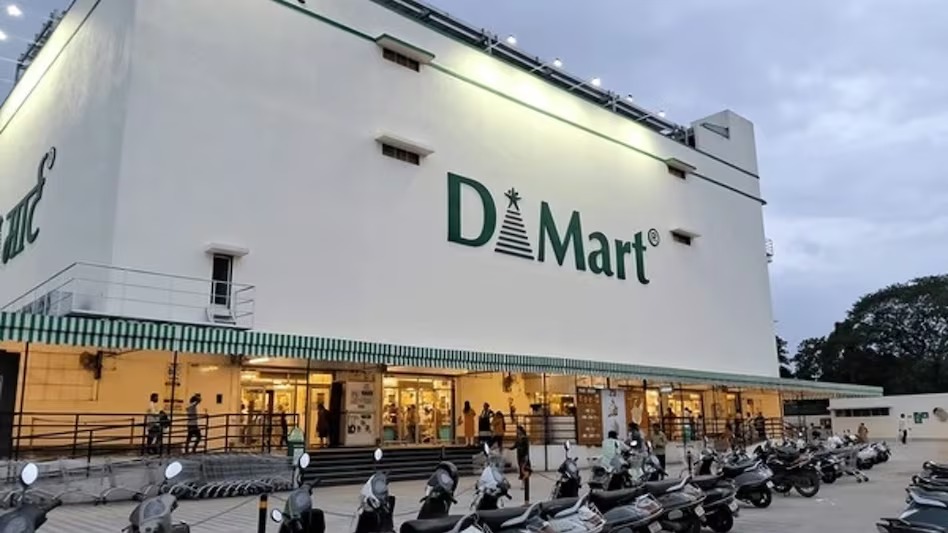
Avenue Supermarts Limited announced a robust 13.9% year-on-year growth in its standalone revenue from operations, totaling 183.43 billion rupees for Q1 FY27. Driven by steady consumer demand and a growing footprint that now includes 371 stores, the operator successfully maintained its strong position in India's value retail market.
MUMBAI — Avenue Supermarts Limited, the corporate operator of India's largest discount hypermarket chain "DMart," has posted robust financial operational results for the opening quarter of fiscal year 2027. According to a provisional regulatory filing submitted to national stock exchanges on Thursday, July 2, 2026, the Radhakishan Damani-promoted retail giant achieved a standalone revenue from operations of 183.43 billion Indian rupees ($2.19 billion) for the three-month window ending June 30, 2026. The initial top-line figure demonstrates continuing double-digit momentum for the everyday-low-cost retail model amid competitive pressure from quick-commerce apps in tier-one metropolises.
Footprint Expansion and Store Network Performance
The operational update, filed under market identification tickers DMART on the National Stock Exchange of India (NSE) and 540376 on the BSE Limited, reflects a substantial 13.9% year-on-year (YoY) revenue leap compared to the 161.05 billion rupees logged during the identical first-quarter window of the prior fiscal year. The growth curve accelerates past the 11.8% expansion pace observed in the preceding quarter, indicating a healthy post-winter consumption rebound across its physical retail network.
A major driver of this operational growth remains the company's continuous structural expansion program. Avenue Supermarts confirmed that its total operational store count reached 371 hypermarkets nationwide as of June 30, 2026. By systematically opening larger-format properties within suburban rings of tier-two and tier-three cities, the company successfully captures localized wallet share, shielding its broader business model from the immediate delivery pressures currently limiting inner-city center sales.
Revenue Per Store and Space Utilization Trends
Analyzing data trends over the past three fiscal blocks reveals a steady stabilization in the retailer's space optimization metrics. The standalone revenue from operations of 183.43 billion rupees translates into a healthy, structured revenue-per-store value.
Brokerage updates note that while quick-commerce services have attracted shoppers looking for immediate, small-basket orders of groceries and daily essentials in major urban centers, DMart’s structural price advantages on large-format monthly provisions continue to attract multi-generational families. The persistent demand for value-priced food staples and apparel lines has allowed the operator to maintain efficient stock turn rates across its multi-acre logistics network.
Practical Meaning for Investors and Retail Consumers
The provisional business numbers hold immediate, practical indicators for distinct market participants:
For Public Equity Investors and Institutional Shareholders: A 13.9% acceleration in top-line operations proves that the enterprise can sustain a stable growth rate even without pursuing aggressive promotions or online discounting campaigns. Maintaining steady brick-and-mortar revenue protects the stock's fundamental valuation multiples, reassuring long-term investors of the brand's long-term operational resilience.
For Everyday Shoppers and Consumers: The revenue expansion confirms that DMart's foundational corporate promise—offering goods below maximum retail price (MRP) benchmarks—continues to resonate with household budgets facing inflationary shifts. The ongoing addition of regional locations brings highly competitive wholesale pricing structures directly to consumers in emerging urban corridors.
Official Sources Section
In an official corporate disclosure update filed with the listing compliance cells of the National Stock Exchange of India (NSE):
"The standalone revenue from operations of Avenue Supermarts Limited for the quarter ended June 30, 2026, stood at Rs. 183,431.1 million, compared to Rs. 161,051.3 million in the corresponding quarter of the previous year. The store count as of the same date was 371. The financial variables provided represent provisional numbers before standard limited reviews by joint statutory auditors."
Quote Section
"According to officials close to the corporate management desk," the enterprise continues to prioritize its classic ownership model for land parcels, allowing regional warehouses and retail outlets to avoid rising rental costs. This property insulation keeps baseline operating expenses minimal as the brand scales out its geographic reach.
Why It Matters
In a changing brick-and-mortar retail world where online delivery setups often outpace standard stores, Avenue Supermarts' stable 13.9% revenue climb demonstrates the lasting power of deep discounting models. By prioritizing physical store spaces and building robust volume partnerships directly with consumer packaged goods companies, DMart effectively isolates its cost structure from high delivery expenses. The firm's steady expansion highlights that for the vast majority of consumer households across middle-income India, absolute pricing value continues to outweigh home-delivery convenience.
Key Facts at a Glance
Revenue Milestone: Standalone revenue from operations climbed 13.9% year-on-year to reach 183.43 billion rupees.
Store Footprint: The absolute operational store matrix reached 371 hypermarkets at the close of June 2026.
Historical Baseline: Sales stood at 161.05 billion rupees in Q1 FY26 and 137.12 billion rupees in Q1 FY25.
Operational Shield: The value-driven brick-and-mortar layout successfully retained large-format family shoppers despite quick-commerce changes.
FAQ Section
Q: What does the standalone revenue figure of 183.43 billion rupees indicate for DMart?
A: This figure covers the net sales and operational income generated solely by the core DMart hypermarket stores within India over the quarter, marking healthy double-digit growth from the prior year's performance.
Q: Is quick-commerce expansion hurting DMart's long-term business performance?
A: While quick-delivery networks compete for immediate, small-basket urban grocery needs, DMart's deep bulk pricing structures keep it a preferred choice for large-format, value-conscious family shopping trips.
Q: When will Avenue Supermarts announce its final audited net profit metrics for this quarter?
A: The full, certified first-quarter financial charts including complete EBITDA, gross margin percentages, and final net profit numbers will be formally released following the board's upcoming corporate earnings review later in July.
Source: National Stock Exchange of India Listing Disclosures, BSE Limited Corporate Filing Center, Avenue Supermarts Investor Relations Portal.