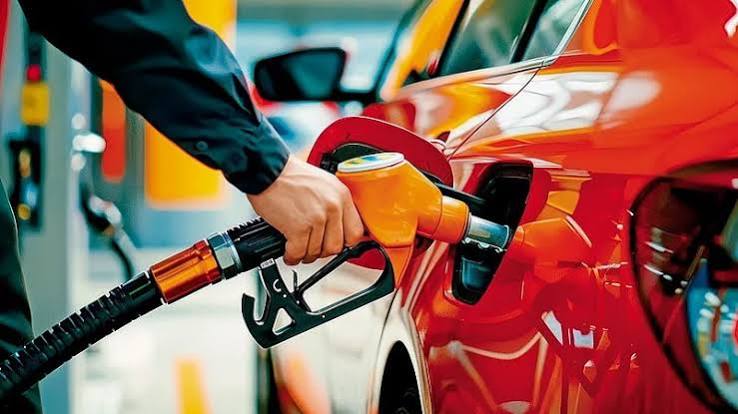
The Ministry of Road Transport and Highways has advised owners of older BS-III vehicles to replace rubber fuel lines and gaskets when using E20 blended petrol. Technical testing confirms higher ethanol concentrations can degrade legacy nitrile rubber components, prompting retrofitting recommendations to prevent fuel leaks and ensure vehicle operating safety.
NEW DELHI — The Ministry of Road Transport and Highways (MoRTH) has issued a technical advisory alerting vehicle owners that older BS-III and pre-2010 automobiles may require component retrofitting when using E20 fuel. Disclosed in parliamentary updates and technical guidance notes on Thursday, July 30, 2026, government testing confirmed that continuous exposure to 20 percent ethanol-blended petrol can degrade non-compatible nitrile rubber hoses, fuel gaskets, and seals in legacy engines. To prevent fuel system leakage and maintain operational safety, the ministry recommends replacing susceptible rubber parts with corrosion-resistant fluoropolymer or fluoroelastomer components during routine servicing.
Material Compatibility Risks in Older Engines
The nationwide rollout of E20 fuel—comprising 20% ethanol blended with 80% petrol—is part of India's broader energy security and emissions reduction strategy. While vehicles manufactured after April 2023 are engineered for material compatibility with E20 blends, older models built under Bharat Stage III (BS-III) or early BS-IV standards utilized rubber compounds that absorb ethanol and moisture over extended operational periods.
Technical evaluations conducted by the Automotive Research Association of India (ARAI) indicate that ethanol acts as a solvent on certain vintage elastomer compounds. Prolonged exposure can lead to swelling, hardening, or cracking of rubber fuel pipes, carburetor diaphragms, and tank seals. Although engine combustion performance remains unaffected, physical material degradation creates potential risks of fuel seepage or pressure loss within the fuel delivery system if worn parts are left unaddressed.
Retrofitting Guidelines and Servicing Measures
To address material compatibility without disrupting fuel distribution, MoRTH, in coordination with the Society of Indian Automobile Manufacturers (SIAM), has outlined advisory maintenance guidelines for vehicle owners and authorized service stations. Vehicle owners operating BS-III or older two-wheelers and passenger cars are advised to inspect fuel delivery lines during regular maintenance cycles.
Automotive service networks have been instructed to stock ethanol-compatible replacement parts, including high-grade synthetic rubber and fluoropolymer fuel lines. Replacement costs for basic fuel hoses and rubber gaskets remain modest, and authorized service centers are equipped to perform these component swaps during standard service inspections.
Ethanol Blending Roadmap and Market Context
India achieved its target of 20% ethanol blending across retail fuel outlets ahead of its initial 2030 schedule, significantly reducing crude oil import bills and lowering carbon monoxide emissions. State-run oil marketing companies (OMCs), including Indian Oil Corporation, Bharat Petroleum, and Hindustan Petroleum, now supply E20 fuel across the majority of retail pumps nationwide.
Government officials emphasized that the advisory is a preventative safety measure rather than a mandatory vehicle recall. Millions of modern vehicles manufactured after 2010 already feature partial or full material resistance to lower ethanol blends, while post-2023 vehicles are fully compliant with E20 specifications.
Official Sources Section
Information in this technical report is derived from official advisories published by the Ministry of Road Transport and Highways, technical bulletins released by the Automotive Research Association of India, industry guidelines from the Society of Indian Automobile Manufacturers, and public releases from the Ministry of Petroleum and Natural Gas.
Quote Section
"According to officials from the Ministry of Road Transport and Highways, replacing legacy rubber fuel lines with ethanol-compatible materials during routine maintenance effectively mitigates degradation risks and ensures the safe continued operation of older vehicles using E20 fuel."
Why It Matters
For owners of older BS-III cars and two-wheelers, replacing legacy rubber fuel hoses during standard maintenance prevents fuel leaks and prolongs engine life when using E20 petrol. For the automotive service industry, clear government guidelines provide a standardized servicing framework to upgrade vintage fuel systems safely as ethanol-blended petrol becomes the standard retail option across India.
Key Facts at a Glance
Advisory Focus: Older BS-III and pre-2010 vehicles operating on E20 blended petrol.
Affected Components: Nitrile rubber fuel pipes, seals, gaskets, and carburetor diaphragms.
Recommended Action: Inspection and replacement with ethanol-resistant synthetic rubber or fluoropolymer parts.
Safety Driver: Prevents material swelling, cracking, and potential fuel leaks caused by ethanol solvent action.
Modern Vehicle Status: All vehicles produced after April 2023 are factory-built for full E20 material compatibility.
FAQ Section
Why does E20 fuel affect rubber parts in older BS-III vehicles?
Ethanol acts as a solvent and absorbs moisture, which can cause older types of nitrile rubber used in legacy fuel lines and gaskets to swell, harden, or crack over time.
Do I need to replace rubber parts in my vehicle immediately?
No immediate recall is required. The government advises vehicle owners to have fuel lines and rubber seals inspected during routine servicing and replaced if signs of wear or degradation appear.
Are newer vehicles affected by E20 blended petrol?
No. Vehicles manufactured after 2010 feature partial ethanol compatibility, and all vehicles produced from April 2023 onward are fully factory-built for E20 fuel compatibility.
How much does it cost to upgrade fuel lines to ethanol-compatible materials?
Replacing fuel hoses and rubber gaskets is a minor maintenance procedure. The cost of synthetic, ethanol-resistant fuel pipes is minimal and can be easily completed during regular servicing at authorized centers.
Source: Ministry of Road Transport and Highways, Automotive Research Association of India, Society of Indian Automobile Manufacturers, Ministry of Petroleum and Natural Gas