




Loading market data...
ADVERTISEMENT

Latest Top News

Early STEM Exposure For Girls: Building India’s Future Tech Workforce
India is intensifying efforts to bridge the gender gap in STEM by focusing on early exposure for girls in classrooms. Experts argue that confidence and career identity are shaped long before higher education, making early interventions crucial to building a diverse and future-ready tech workforce.
Stay Ahead – Explore Now! Wall Street Rallies as Tentative US-Iran Peace Deal Ignites Markets
ADVERTISEMENT

Latest Updates

Kikkoman Plans First India Soy Sauce Manufacturing...
16 Jun 2026, 05:58 AM
The Street Food Superhero: Puchkaman Scales 150% a...
16 Jun 2026, 12:11 AM
The Silence Value: Luxury Travellers Shift to Soft...
16 Jun 2026, 12:08 AM
The Great Tech Wake-Up Call: India Must Invest to...
16 Jun 2026, 12:01 AM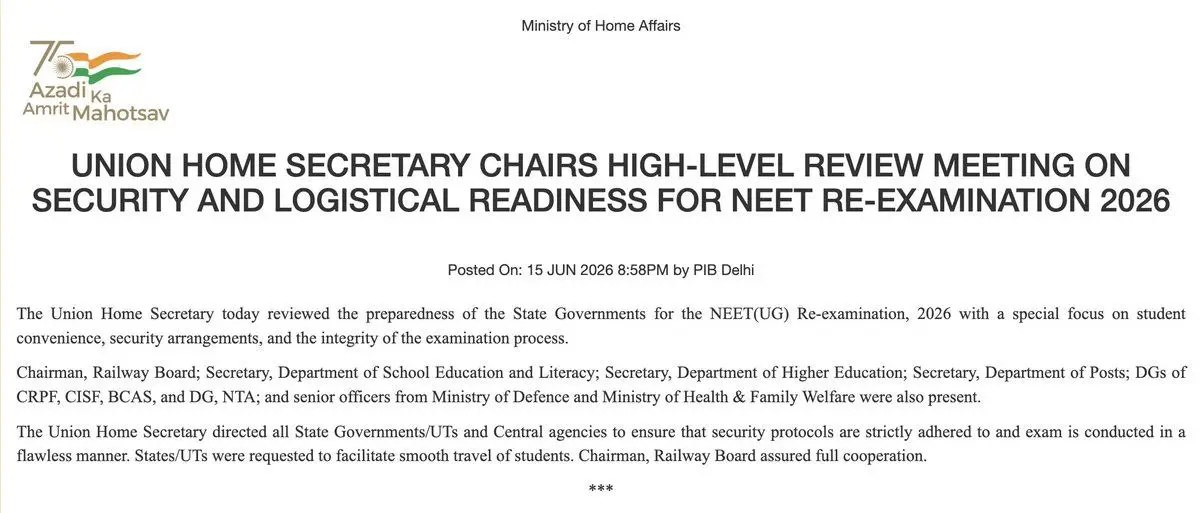
High-Stakes Health Check: Home Secretary Reviews N...
15 Jun 2026, 11:58 PMADVERTISEMENT

Top Stories
Kikkoman Plans First India Soy Sauce Manufacturing...
16 Jun 2026, 05:58 AM
The Street Food Superhero: Puchkaman Scales 150% a...
16 Jun 2026, 12:11 AM
The Silence Value: Luxury Travellers Shift to Soft...
16 Jun 2026, 12:08 AM