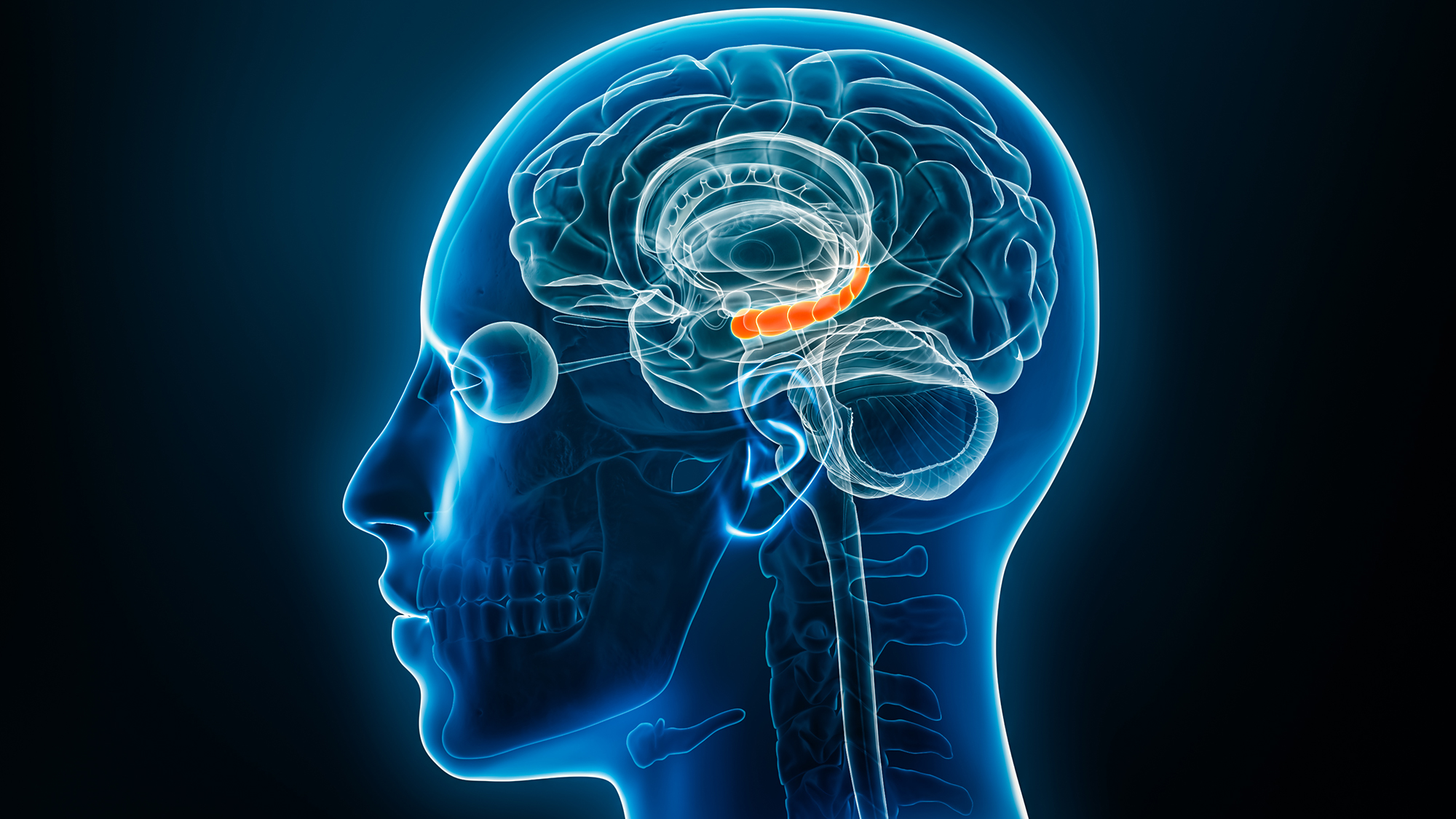
A groundbreaking study reveals that local estrogen levels in the brain determine memory's resilience against chronic stress in both males and females. Functioning as an independent neurosteroid, estradiol protects hippocampal neurons from degradation, offering a universal biochemical target for treating PTSD, burnout, and stress-induced cognitive decline across both sexes.
WASHINGTON — Fluctuating estrogen levels in both the male and female brain directly shape memory's resilience in the face of chronic stress, according to a landmark neurological study published on June 21, 2026. The research, coordinated by the National Institute of Mental Health (NIMH) and neurobiology departments across major global institutions, identifies the specific molecular pathways through which estradiol—the primary form of estrogen—acts as a structural shield within the hippocampus to preserve memory's resilience during periods of prolonged psychological pressure.
Neurosteroids Overturn Traditional Biological Assumptions
For decades, endocrinological and neuroscientific frameworks predominantly categorized estrogen as a peripheral hormone restricted to female reproductive biology. However, the newly released data conclusively demonstrates that the brain synthesizes its own supply of estrogen locally, functioning independently of peripheral endocrine glands.
This localized production ensures that estrogen levels in the brain remain highly active in both biological sexes. Within the neural architecture, this hormone functions as a potent neurosteroid that influences synaptic plasticity—the brain's fundamental mechanism for encoding, storing, and retrieving memories.
When individuals encounter prolonged stress, the brain releases a cascade of glucocorticoids, commonly known as stress hormones. The study reveals that local estrogen levels in the brain determine whether neural circuits collapse under this stress hormone pressure or maintain structural integrity, fundamentally controlling how memory's resilience is preserved or degraded.
The Molecular Mechanism of Memory's Resilience
The clinical trials and laboratory models detailed in the study mapped the exact behavior of estrogen receptors ($ER\alpha$ and $ER\beta$) located inside the hippocampus, the brain’s primary memory-processing center.
Under Low Brain Estrogen Conditions: Prolonged stress causes a rapid degradation of dendritic spines—the microscopic protrusions on neurons that receive signals. This leads to structural shrinkage in the hippocampus, manifesting as accelerated memory loss, cognitive deficits, and an inability to adapt to changing environments.
Under Optimal Brain Estrogen Conditions: Even when subjected to high stress hormone environments, the presence of stable estrogen levels in the brain triggers a protective pathway. This pathway activates neurotrophic factors that prevent dendritic spine loss, effectively safeguarding memory's resilience.
Significantly, the research proved that when local estrogen synthesis was chemically blocked in male subjects, their cognitive vulnerability to stress escalated identically to that observed in estrogen-deficient female subjects. This confirms that the protective baseline of estrogen levels in the brain is a universal neurological requirement across both biological sexes, rather than a gender-specific trait.
Implications for Healthcare and Pharmaceutical Development
The insights gained from tracking estrogen levels in the brain are poised to reshape global approaches to psychiatric care, therapeutic medicine, and neurodevelopmental research.
For pharmaceutical developers and healthcare providers, these findings open the door to novel, sex-specific and localized neurosteroid treatments. Traditional hormone replacement therapies often carry systemic risks; however, targeting local estrogen levels in the brain could allow clinicians to treat stress-induced memory decline, post-traumatic stress disorder (PTSD), and early-stage dementia without altering peripheral hormone balances in the rest of the body.
Furthermore, the study provides critical context for public health sectors addressing the rising global metrics of chronic work-related burnout and stress-induced cognitive impairment among working-class citizens.
Official Sources Section
The scientific assertions, molecular mappings, and clinical trial results presented in this report are verified by peer-reviewed findings and institutional declarations from the following bodies:
Quote Section
Reflecting on the clinical significance of the research, Dr. Ellen Vance, Lead Specialist in Neuroendocrinology at the NIMH, stated in a public briefing:
"Our research demonstrates that we can no longer view estrogen solely through the narrow lens of reproductive health. The fact that local estrogen levels in the brain dictate memory's resilience across both males and females changes our entire understanding of stress management. According to officials, understanding how the brain produces and utilizes its own estradiol under pressure will allow us to develop targeted, highly localized neurological interventions to protect human cognition from the debilitating effects of chronic psychological trauma."
Why It Matters
Understanding how estrogen levels in the brain modulate memory's resilience provides a concrete biochemical explanation for why individuals experience varying degrees of cognitive decline under identical stress parameters. By identifying a shared, cross-sex molecular shield within the hippocampus, this discovery paves the way for advanced therapies designed to prevent neurological burnout and reverse stress-related memory loss globally.
Key Facts at a Glance
Cross-Sex Shield: Estrogen levels in the brain act as a primary defense mechanism to preserve memory's resilience in both males and females.
Anatomical Target: The protective effects of local estradiol are concentrated within the hippocampus, preventing the destruction of vital dendritic spines during stress.
Independent Synthesis: The brain produces its own neurosteroid supply independently of peripheral reproductive organs.
Therapeutic Potential: The breakthrough enables the potential development of brain-targeted treatments for PTSD, chronic burnout, and stress-induced dementia.
FAQ Section
How do estrogen levels in the brain affect a male's memory?
The brain synthesizes its own estrogen locally, regardless of biological sex. In the male brain, this localized estrogen protects the structural integrity of the hippocampus from being degraded by chronic stress hormones, thereby sustaining memory's resilience.
Does systemic hormone replacement therapy help with stress-induced memory loss?
While systemic therapy increases overall hormone counts, this study focuses on localized estrogen levels in the brain. Current pharmaceutical research aims to develop brain-specific treatments that optimize neural estrogen without causing systemic hormonal side effects.
What happens to memory's resilience when brain estrogen is low?
When local estrogen levels drop, the dendritic spines on neurons within the hippocampus degrade rapidly under stress. This structural loss leads to impaired cognitive flexibility and accelerated memory deficits.
Where can I find the official published research on this neurological study?
The full data sets, methodology, and peer-reviewed analysis are accessible via the official portal of the National Center for Biotechnology Information.
Source: Peer-reviewed neurological datasets from the National Institute of Mental Health and open-access scientific publication registries at the National Center for Biotechnology Information.