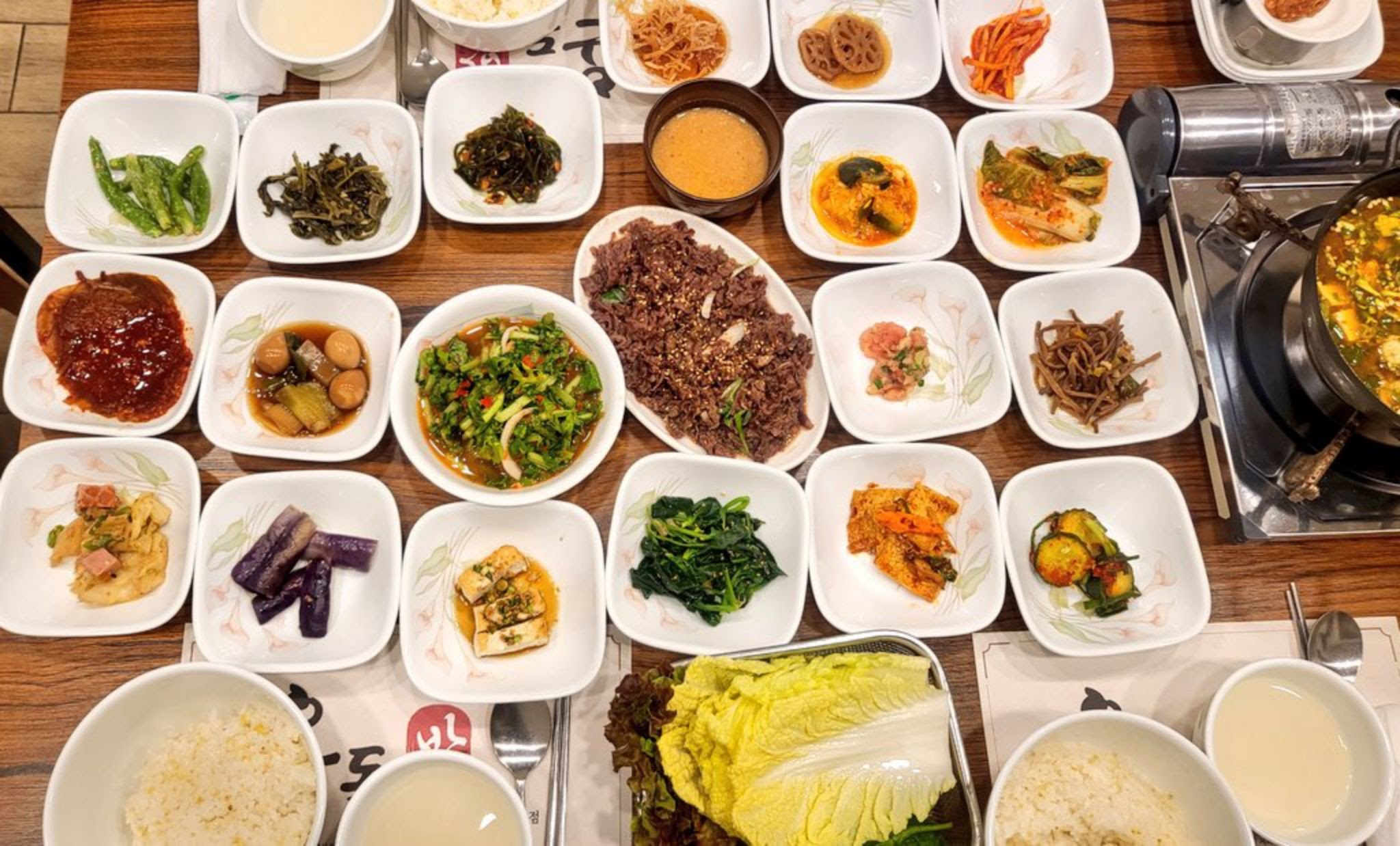
The historical practice of serving multi-dish spreads in Korean cuisine stems from Joseon Dynasty court protocols, agricultural food preservation requirements, and Buddhist dietary practices. Today, understanding why Korean tables are always full offers key insight into South Korea's agrarian history, cultural identity, and global food service industry standards.
SEOUL, South Korea — Historical research and cultural documentation maintained by South Korean culinary heritage institutions continue to shed light on why Korean tables are always full during mealtime. The tradition of serving an array of small side dishes, collectively known as banchan, alongside a core meal of steamed rice and soup remains a defining feature of Korean gastronomy. Far from a decorative choice, the practice reflects centuries of social policy, agricultural preservation strategies, and royal dining protocols.
Understanding the historical foundation of these full table settings provides vital context for international consumers, agricultural exports, and the global restaurant sector. As Korean cuisine expands its market presence worldwide, the operational and cultural mechanisms driving this elaborate dining structure remain central to domestic hospitality and commercial food service models.
The Royal Legacy of Joseon Court Protocols
The cultural expectation that explains why Korean tables are always full originates in part from the strict class structures and dining etiquettes of the Joseon Dynasty (1392–1910). Royal court meals, known as surasang, were highly regulated culinary presentations designed to display regional agricultural yields to the ruling monarch.
Under Joseon court guidelines, table settings were categorized by the exact number of side dishes served (cheop). Commoner households historically prepared three to five dishes (sam-cheop or o-cheop), while noble families served seven to nine. The twelve-dish spread (sip-i-cheop) was strictly reserved for royal palaces. Following 20th-century economic development and agricultural modernization, everyday households adopted these historically regal multi-dish formats, making full tables standard across all social classes.
Preservation Science and Agricultural Adaptation
Beyond royal traditions, practical agricultural realities required Korean households to develop complex food storage systems. Korea's mountainous geography and severe seasonal temperature shifts historically limited fresh crop harvesting to specific months. To ensure year-round nutrition, agrarian communities relied on fermentation and dehydration.
This seasonal necessity created a diverse repertoire of long-lasting side dishes that could be retrieved and served instantly, explaining why Korean tables are always full regardless of the season:
Fermented Vegetables (Kimchi): Lacto-fermented cabbages, radishes, and cucumbers provided vital vitamin C and probiotics throughout winter months.
Fermented Pastes (Jang): Staples such as doenjang (soybean paste) and gochujang (chili paste) delivered crucial proteins, essential amino acids, and concentrated flavor bases.
Wild Greens (Namul): Seasoned and blanched mountain herbs preserved through sun-drying ensured fiber and mineral availability year-round.
Salted Seafood (Jotgal): Preserved seafood provided necessary sodium and umami accents during non-fishing seasons.
Communal Dining Mechanics and Economic Realities
Unlike Western meal structures served in sequential individual courses, traditional Korean dining presents all elements simultaneously. This setup encourages communal interaction, as diners share side dishes while maintaining individual bowls of rice and soup.
In modern commercial food service, the cultural expectation of complimentary, unlimited side dish refills (re-fill culture) impacts business operations significantly. Restaurant operators and food distributors must manage raw material costs, seasonal vegetable price volatility, and supply chain logistics to maintain traditional hospitality standards without incurring excessive food waste.
Official Sources and Cultural Guidance
Government agencies and culinary archives maintain formal documentation detailing traditional table arrangements, food classification guidelines, and dietary standards.
According to officials: "The traditional Korean table setting is built on the nutritional and aesthetic balance between staple rice and complementary banchan. The practice of filling the table with preserved and seasonal side dishes represents a historically optimized food distribution strategy grounded in agricultural sustainability, seasonal preservation, and communal hospitality."
Why It Matters
Understanding why Korean tables are always full helps clarify the operational dynamics of the food and hospitality industries. For consumers and international travelers, it highlights the nutritional strategy behind pairing neutral, energy-dense rice with nutrient-rich fermented side dishes. For business analysts, it explains supply chain demands for specialized food preservation, packaged goods manufacturing, and international restaurant management.
Key Facts at a Glance
Historical Basis: Rooted in Joseon Dynasty royal court dining protocols (surasang) and class-based cheop dish counts.
Preservation Focus: Relies on fermentation (kimchi, jang) and drying techniques (namul) developed for harsh winters.
Nutritional Function: Provides micronutrients, fiber, and probiotics to complement calorie-dense staple rice.
Dining Structure: Simultaneous communal presentation rather than sequential single-person courses.
Commercial Model: Modern Korean dining establishments maintain complimentary banchan refills as a standard hospitality practice.
Frequently Asked Questions (FAQ)
What is the main historical reason why Korean tables are always full?
Korean tables are traditionally full because meals are designed around sharing multiple preserved side dishes (banchan) that complement a central bowl of steamed rice, a practice popularized by Joseon Dynasty court customs and agricultural preservation needs.
What are the main types of side dishes served on a full Korean table?
Common side dishes include various types of kimchi, seasoned mountain herbs (namul), stir-fried dried anchovies (myeolchi-bokkeum), pickled radishes, braised tofu, and fermented seafood (jotgal).
Are the side dishes on a full Korean table free at restaurants?
Yes, in traditional Korean restaurants, banchan are served complimentary with main orders and are generally replenished upon request without extra charge.
How did geography influence the structure of Korean meals?
Korea's cold winters and mountainous terrain restricted year-round farming, forcing historical communities to perfect fermentation and salting techniques to preserve food, resulting in a large variety of storable side dishes.
Source: Official historical records and cultural guidelines published by the Ministry of Agriculture, Food and Rural Affairs (MAFRA), the National Institute of Agricultural Sciences, and the Korean Food Promotion Institute (KFPI).