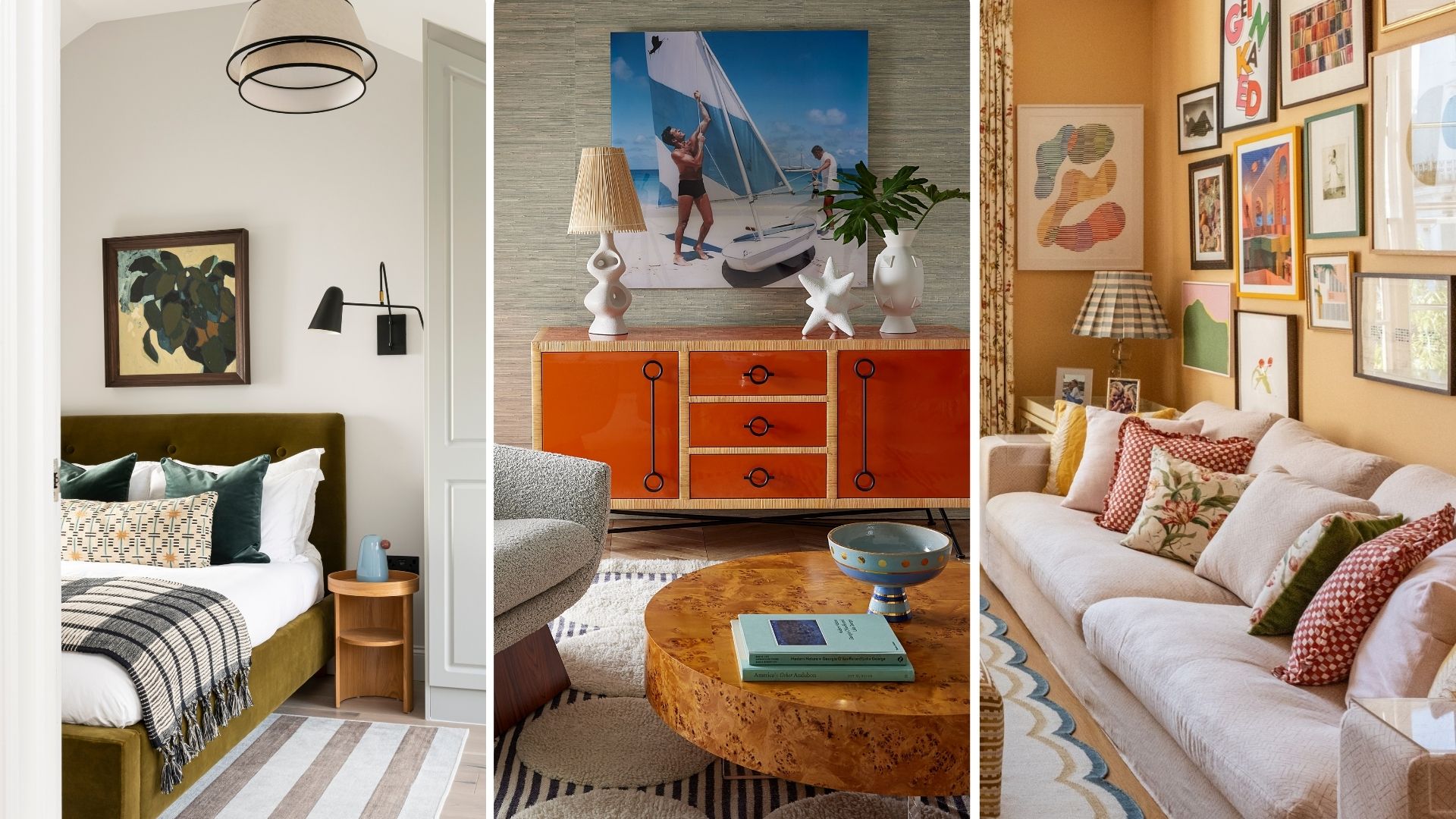
Strategic art placement transforms home interiors by utilizing proper scaling, eye-level alignment, and furniture proportion. Key strategies include mounting pieces 4 to 8 inches above sofas or headboards, anchoring artwork to architectural features like mantelpieces, and treating transitional hallways as galleries to maximize spatial depth and aesthetic value.
Interior styling experts have released a comprehensive framework detailing where and how to hang artwork at home to maximize visual interest and spatial depth. Traditionally, homeowners struggle with proper scaling, often committing common placement errors such as mounting paintings too high or selecting pieces disproportionate to surrounding furniture. Recent guidelines released by interior design and architectural platforms this August emphasize that strategic spatial planning—focusing on eye-level alignment, furniture proportion, and room architecture—can instantly upgrade ordinary residential interiors without requiring major renovations.
Strategic Placement Zones
Above Living Room Sofas and Sectionals
The living room remains a primary focal point for displaying statement pieces. Specialists recommend positioning large-scale artworks or balanced gallery groupings directly above the main sofa. To achieve visual harmony, the bottom edge of the picture frame should sit approximately 4 to 8 inches above the top of the sofa backrest. This anchors the artwork to the furniture piece rather than making it appear untethered or floating in open space.
Highlighting Fireplace Mantelpieces
The architectural mantelpiece offers an immediate anchor for focal decor. Placing a substantial, singular artwork or a curated collection of smaller frames 3 to 6 inches above the mantel creates an elevated focal point. Organizers note that the height of the mantel dictates the exact clearance gap, with taller mantels requiring minimal separation.
Optimizing Hallways and Staircases
Transitional zones like hallways and stairwells frequently turn into neglected dead space. Design experts advise treating these areas as home galleries by following the natural diagonal architectural incline of staircases. Maintaining a consistent distance and eye-level alignment between frames creates a cohesive rhythmic flow throughout transit areas.
Enhancing Bedroom Sanctuaries
Bedrooms benefit significantly from tranquil, well-placed focal points. Hanging serene landscape photography or balanced canvas prints directly above the headboard establishes a calming atmosphere. Maintaining a 6-to-8-inch gap between the top of the headboard and the frame preserves proper proportion.
Activating Functional Kitchens and Dining Areas
Kitchens, dining rooms, and mudrooms often miss out on artistic integration. Interior advisors suggest placing smaller, moisture-protected artwork near breakfast nooks, open kitchen shelving, or entryways. This introduces organic warmth and personality into utilitarian spaces.
Official Sources Section
According to official announcements and insights shared by home styling regulatory bodies, architectural associations, and interior design platforms such as Ariture, successful spatial design relies heavily on light, proportion, and vertical height calculation.
"Most homes do not have an art problem. They have a placement problem," stated Suumit Arora, founder and CEO of Ariture. "All that is needed is to understand what height, proportion, and light a piece really needs, and that will be the key."
Why It Matters
For homeowners, real estate stagers, and interior design enthusiasts, understanding precise placement guidelines prevents structural damage from trial-and-error anchoring and elevates property aesthetic value. Correctly positioned artwork draws the eye upward, corrects perceived low ceilings, and defines distinct functional zones within open-plan modern housing layouts.
Key Facts at a Glance
Eye-Level Standard: The vertical center of any standalone artwork or group cluster should ideally rest between 57 and 60 inches from the finished floor level.
Furniture Proportions: Artwork hung above furniture should span approximately two-thirds to three-quarters of the total width of the furniture piece below it.
Clearance Rules: Maintain a consistent 4-to-6-inch gap between furniture backs (like sofas or headboards) and the bottom of frames.
Lighting Consideration: Natural light exposure and specialized directional picture lighting protect canvases from UV degradation while maximizing textural depth.
FAQ Section
What is the ideal height to hang art on a blank wall?
The center of the artwork should generally sit at standard eye level, roughly 57 to 60 inches from the floor.
How wide should a painting be above a sofa?
As a general rule of thumb, art displayed above furniture should occupy roughly 60% to 75% of the total width of the furniture piece.
Can I mix different frame styles on a single wall?
Yes. Mixing frame textures and widths adds eclectic character, provided the overall cluster shares a balanced center point and cohesive thematic color palette.
How do I prevent artwork from looking like it is floating?
Ensure the piece relates directly to an anchor point below it, such as a console table, mantel, headboard, or sofa, or integrate it tightly into a multi-frame gallery grid.
Source: Ariture Design Platform, residential interior architecture releases, and professional home styling associations.