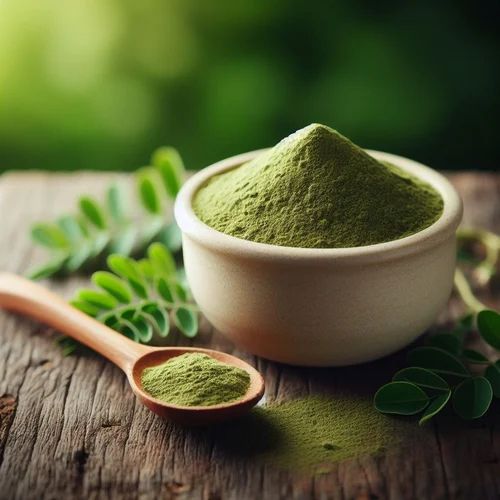
The US FDA increased screening of imported moringa powder from India following multi-state Salmonella outbreaks linked to contaminated dietary supplements. Announced in mid-2026, the enhanced border testing and supplier inspections aim to intercept pathogen risks and protect public health from unsafe botanical products.
US health regulators ramp up border testing of imported moringa powder following multi-state Salmonella outbreaks linked to dietary supplements.
In response to persistent foodborne illness investigations tied to dietary products, the U.S. Food and Drug Administration (FDA) has significantly increased screening protocols for imported moringa powder originating from India. According to regulatory announcements and federal outbreak updates released in Washington, D.C., the heightened border surveillance follows comprehensive traceback analyses linking multiple multi-state Salmonella outbreaks to raw moringa leaf powder sourced directly from Indian suppliers.
The regulatory action aims to intercept contaminated agricultural ingredients before they reach domestic processing facilities, retail shelves, and consumer households across the United States.
Traceback Investigations and Supplier Scrutiny
According to official findings published by the FDA and the Centers for Disease Control and Prevention (CDC), recent investigations into Salmonella Typhimurium and other virulent strains identified Indian agricultural exporters as the common source of contaminated raw ingredients. Federal inspectors deployed to overseas ingredient suppliers and manufacturing facilities identified critical sanitary and processing deficiencies.
Subsequent laboratory testing of open product containers collected by state health departments in Washington, Tennessee, and Florida confirmed matching Salmonella strains. Consequently, the FDA has instituted intensified physical inspection and mandatory sampling of incoming shipments to block non-compliant products from entering the commercial market.
Impact on Importers, Retailers, and Health Consumers
For commercial importers, supplement manufacturers, and distributors, the tightened border measures mean stricter documentation requirements, prolonged clearance times at ports of entry, and potential shipment detentions.
Retailers and consumers are advised to verify product inventories against active federal recall lists. Public health officials emphasize that because dried botanical powders possess extended shelf lives, contaminated batches may still be present in home pantries, posing ongoing health risks, particularly to vulnerable populations such as infants, the elderly, and immunocompromised individuals.
Why It Matters
Heightened border screening prevents contaminated food products from reaching retail markets, safeguarding consumer health against severe bacterial infections. Rigorous import controls also enforce international supply chain accountability and maintain safety standards for herbal supplements.
Key Facts at a Glance
Regulatory Action: Increased border screening and mandatory sampling of imported moringa powder.
Target Country of Origin: India.
Pathogen of Concern: Salmonella (including multi-state outbreak strains linked to dietary capsules and greens powders).
Federal Oversight: Conducted jointly by the U.S. FDA and the CDC alongside state health partners.
Frequently Asked Questions
Why has the FDA increased screening of imported moringa powder?
The FDA intensified border screening after traceback investigations and multi-state public health inquiries linked several Salmonella outbreaks to contaminated moringa leaf powder imported from India.
What health risks are associated with contaminated moringa powder?
Consumption of products contaminated with Salmonella can cause foodborne illness resulting in symptoms such as diarrhea, fever, and abdominal cramps, which can occasionally require hospitalization in severe cases.
What should consumers do with recalled or suspect moringa products?
Consumers should check their homes for recalled moringa powders, capsules, or superfood supplements, avoid consuming them, and safely discard or return them to the place of purchase.
Source: U.S. Food and Drug Administration, Centers for Disease Control and Prevention, Washington State Department of Health, Massachusetts Department of Public Health