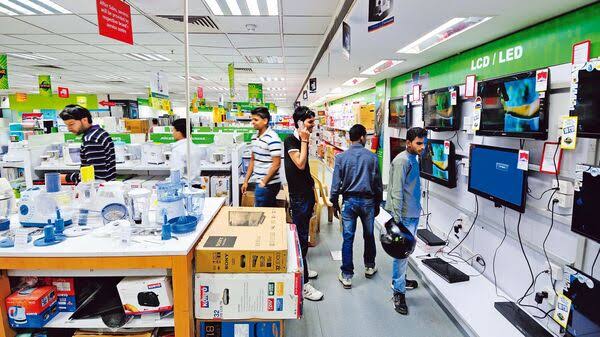
India's retail sector faces a defining festive shopping test as higher component costs push up retail prices for televisions, smartphones, and appliances. While premium segments show steady demand, rising prices and tighter memory supplies are prompting consumers to weigh purchases carefully during the upcoming festive sales.
NEW DELHI — As India approaches its peak festive shopping window, consumer electronics manufacturers and retail chains face a crucial market test: whether households will continue to absorb rising prices for premium televisions, smartphones, and home appliances.
Recent industry data highlights a distinct divergence in consumer behavior across the country. While overall shipment volumes for budget and mid-range devices have softened due to persistent component inflation and memory chip shortages, luxury and flagship product segments continue to record resilient demand ahead of the upcoming festival calendar.
Rising Hardware Costs and Changing Consumer Behavior
The consumer technology landscape in 2026 has been heavily influenced by global semiconductor supply constraints and massive infrastructure investments in artificial intelligence data centers. These shifts have driven up baseline DRAM and NAND memory prices, forcing brands to pass manufacturing expenses onto retail buyers.
According to retail analytics reports, consumer electronics association disclosures, and market research updates:
Average Selling Prices: Industry trackers note that while entry-level shipment volumes have faced pressure, average selling prices (ASPs) across major categories have risen significantly over the past year.
Premium Resilience: High-end smartphones, large-screen smart televisions, and connected home appliances continue to attract affluent buyers, while budget-conscious consumers delay upgrade cycles.
Retailer Strategies: Major retail chains and e-commerce platforms are deploying structured financing options, zero-down-payment schemes, and exchange offers to cushion baseline price hikes during festive sales.
Component Pressures: Elevated component costs, driven by competing global demand for advanced memory chips, have limited the depth of traditional festive discounts compared to previous years.
Official Sources Section
Quote Section
According to statements released by consumer electronics retail analysts regarding upcoming festival shopping trends:
"The upcoming festive season will test consumer resilience as higher retail sticker prices meet shifting purchasing power. While premium buyers remain unfazed, brands must rely heavily on financing incentives to sustain volume growth across mid-tier appliance categories."
Why It Matters
For retail businesses, consumer goods manufacturers, and shoppers, the festive shopping season serves as the ultimate bellwether for domestic discretionary spending. When hardware costs outpace income growth, shifting purchasing patterns directly influence inventory management, retail profitability, and promotional strategies across India's consumer markets.
Key Facts at a Glance
Market Focus: Consumer demand for televisions, smartphones, and major home appliances during the festive season.
Primary Headwind: Rising component costs and memory inflation elevating baseline retail prices.
Consumer Trend: Continued strength in premium segments alongside cautious spending among budget buyers.
Mitigation Strategy: Extensive use of Easy EMIs, trade-in programs, and promotional bank discounts.
FAQ Section
How are rising component costs impacting festival appliance prices?
Global shortages of memory chips and semiconductor components have driven up manufacturing expenses, resulting in higher retail prices for smartphones, laptops, and televisions.
Are consumers still purchasing premium electronics despite price hikes?
Yes, market data indicates that premium and flagship segments remain resilient, while price-sensitive buyers are extending their device upgrade cycles.
What financial tools are retailers using to support festive sales?
Retailers and financing partners are offering zero-down-payment schemes, flexible EMI tenures, and exchange deals to ease purchasing friction.
Where can stakeholders review official device shipment and pricing data?
Quarterly market reports, shipment metrics, and price tracking analyses are published regularly by research firms such as IDC India and Counterpoint Research.
Source: IDC India, Counterpoint Research, Business Today, The Economic Times