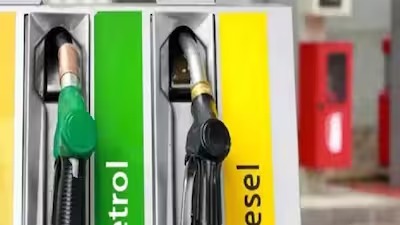
Petrol and diesel prices remained unchanged across major Indian metros on August 26, 2026, with Delhi recording petrol at ₹102.12 per litre and Mumbai at ₹111.12 per litre. The stability persists despite a 2% decline in international crude oil benchmarks.
Fuel prices remain steady across major metropolitan areas on August 26, 2026, offering consistent rates for commuters and commercial transport sectors.
Metro City Fuel Rate Breakdown
NEW DELHI — Retail fuel prices across India’s major metropolitan hubs remained static on Wednesday, August 26, 2026, keeping transport and logistics costs stable for consumers and businesses. According to daily pricing notifications issued by state-run oil marketing companies, petrol and diesel rates continue to show regional variations driven by local value-added tax (VAT) and freight charges.
In the national capital of New Delhi, petrol is retailed at ₹102.12 per litre, while diesel stands at ₹95.20 per litre. Financial capital Mumbai recorded petrol at ₹111.12 per litre and diesel at approximately ₹97.45 per litre, maintaining higher margins compared to northern states due to elevated state levies.
Meanwhile, southern and eastern metro hubs reflect distinct pricing structures. In Chennai, petrol costs ₹107.75 per litre and diesel is priced at ₹93.85 per litre. Hyderabad continues to register some of the highest rates among major urban centers, with petrol retailing at ₹115.69 per litre and diesel at ₹103.82 per litre.
Macroeconomic Factors and Global Oil Dynamics
The steady domestic pricing comes amid fluctuations in international crude benchmarks. Global oil prices experienced a downward correction, falling over 2% as market sentiments responded to diplomatic developments in the Middle East and discussions surrounding regional shipping routes through the Strait of Hormuz.
Despite international oil volatility, domestic retail prices administered by public sector undertakings—including Indian Oil Corporation (IOCL), Bharat Petroleum Corporation Limited (BPCL), and Hindustan Petroleum Corporation Limited (HPCL)—have maintained price stability. Energy experts note that state fuel retailers continue to absorb global price variations to insulate retail consumers from abrupt inflationary shocks.
Quote Section
"According to official pricing announcements by state-run fuel retailers, retail selling prices for petrol and diesel across primary metro stations remain unchanged, reflecting cushioned stability against international crude fluctuations."
Why It Matters
Fuel prices directly influence daily transportation budgets, supply chain logistics, and consumer goods pricing. Stable retail rates in metropolitan centers provide immediate relief for daily commuters, logistics operators, and commercial enterprises managing operational expenditures during the late-summer economic cycle.
Key Facts at a Glance
Delhi Rates: Petrol priced at ₹102.12/litre; Diesel at ₹95.20/litre.
Mumbai Rates: Petrol priced at ₹111.12/litre; Diesel at ₹97.45/litre.
Highest Metro Rates: Hyderabad records petrol at ₹115.69/litre and diesel at ₹103.82/litre.
Pricing Authority: Regulated through daily benchmarks managed by public sector oil marketing companies under the guidance of the Ministry of Petroleum and Natural Gas.
Frequently Asked Questions (FAQ)
1. What is the price of petrol in New Delhi today?
Petrol in New Delhi is priced at ₹102.12 per litre as of August 26, 2026.
2. Which major metro city has the highest fuel rates?
Hyderabad records the highest rates among major metros, with petrol at ₹115.69 per litre and diesel at ₹103.82 per litre.
3. How often are petrol and diesel prices revised in India?
Fuel prices are reviewed daily by public sector oil marketing companies based on global crude trends and foreign exchange rates.
4. Where can consumers check daily fuel price updates?
Consumers can check updated rates via official portals of state-run fuel retailers like IOCL, BPCL, and HPCL, or through the Petroleum Planning and Analysis Cell (PPAC).
Source: [Petroleum Planning and Analysis Cell, Indian Oil Corporation, Ministry of Petroleum and Natural Gas]