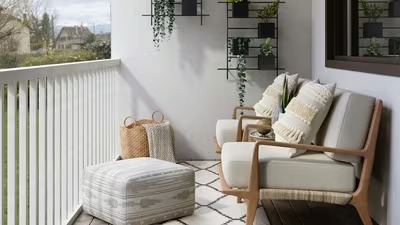
Transforming an apartment balcony into a stylish retreat involves careful spatial planning and the selection of weather-resistant furnishings. By prioritizing structural safety, utilizing vertical space, and incorporating climate-appropriate greenery, residents can effectively maximize their living area and create a functional, inviting environment that adds value to urban apartment living.
Experts outline practical design strategies to convert underutilized apartment balconies into functional, year-round living spaces.
NEW YORK — As urban density continues to rise, the balcony has evolved from a simple storage area or architectural afterthought into a vital extension of the home. Urban planners and interior designers report that residents are increasingly seeking to optimize these small outdoor footprints to improve mental well-being and maximize usable square footage in high-rise environments.
Transforming a balcony into a stylish retreat requires a balance of spatial planning, weather-resistant material selection, and deliberate lighting. While the trend gained momentum during the pandemic, it has stabilized into a permanent fixture of modern urban living as apartment dwellers seek a connection to the outdoors without leaving their homes.
Assessing Structural Limitations and Safety
Before beginning any balcony transformation, architectural consultants emphasize that safety must remain the primary concern. Residents are advised to consult with building management regarding weight limits, particularly before installing heavy planters, water features, or permanent decking materials.
"Understanding the load-bearing capacity is the first step in any outdoor project," noted an industry consultant in a recent review of residential balcony usage. Overloading a structure can lead to significant maintenance issues or building code violations. Additionally, homeowners should confirm whether their building association allows for modifications such as drilling into balcony walls or installing specific flooring types.
Selecting Weather-Resistant Furnishings
The success of a balcony retreat depends largely on the durability of the materials chosen. Designers recommend prioritizing furniture specifically engineered for outdoor use, such as powder-coated metals, teak, or high-density polyethylene (HDPE) wicker, which resist UV degradation and moisture.
For smaller balconies, verticality is essential. Using wall-mounted planters, hanging chairs, or foldable furniture allows for a functional layout without sacrificing floor space. Incorporating textiles—such as solution-dyed acrylic cushions—can provide comfort while remaining resistant to mold and fading in variable weather conditions.
Strategic Lighting and Greenery
Lighting design significantly impacts how a balcony is used during evening hours. Designers suggest layering light sources, including solar-powered LED string lights, motion-sensor path lighting, or rechargeable cordless table lamps. This approach creates an inviting atmosphere while maintaining a low energy footprint.
Regarding greenery, plant selection should be based on the balcony's orientation. South-facing balconies with high sun exposure require drought-tolerant species, while north-facing spaces are better suited for shade-loving varieties. Utilizing vertical trellises can also provide natural privacy screens, effectively separating the space from neighboring units.
Impact on Urban Living
The shift toward personalizing outdoor spaces has broader implications for urban property values. Real estate analysts suggest that a well-maintained and functional balcony can serve as a significant selling point, reflecting a "lifestyle-first" approach to apartment living. By effectively turning a forgotten corner into a stylish retreat, residents enhance their quality of life while potentially increasing the appeal of their property in a competitive real estate market.
Key Facts at a Glance
Weight Restrictions: Always check the maximum load-bearing capacity with building management before installing heavy items.
Material Selection: Use weather-resistant materials like teak, powder-coated metal, or HDPE to ensure longevity.
Vertical Optimization: Maximize small areas by utilizing wall-mounted storage and vertical gardening systems.
Light Planning: Employ layered, weather-rated lighting to transition the space from day to night use.
FAQ
1. How do I choose the right plants for a windy balcony?
Opt for sturdy plants with flexible stems or those that naturally grow in coastal environments, such as ornamental grasses or hardy succulents, which handle wind gusts better than broad-leafed varieties.
2. Can I install flooring on my rental balcony?
Interlocking deck tiles made of wood or composite materials are a popular non-permanent option. They typically snap together without the need for adhesives or nails, making them suitable for most rental agreements.
3. What is the best way to gain privacy?
Privacy screens, bamboo shades, or strategic placement of tall, narrow plants can create a secluded feeling without obstructing airflow or light.
4. How do I maintain an outdoor space with little time?
Focus on low-maintenance selections: choose hardy, perennial plants and invest in high-quality furniture covers to protect your investment during inclement weather.
Source: American Society of Interior Designers, National Kitchen & Bath Association, Urban Land Institute