India’s retail inflation climbed to 4.38% in June 2026, exceeding market expectations of 4.30%. Driven by a 5.32% surge in food prices, this data marks the first time in 16 months inflation has breached the RBI’s 4% target, raising concerns about the potential for future interest rate adjustments.
NEW DELHI – India’s consumer price-based inflation rose to 4.38% in June 2026, according to provisional data released by the government on Monday. The figure marks an uptick from the previous month and surpasses the 4.30% forecast predicted in a recent Reuters poll, highlighting mounting cost pressures across the economy.
The consumer price index (CPI)-based inflation rate for June, published by the Ministry of Statistics and Programme Implementation, indicates that the country’s retail inflation has breached the Reserve Bank of India’s (RBI) medium-term target of 4%. This development is significant as it represents the first time in 16 months that inflation has exceeded this threshold, reflecting a tightening landscape for both consumers and policymakers as they navigate fluctuating commodity prices and monsoon-related uncertainties.
Drivers of Retail Price Inflation
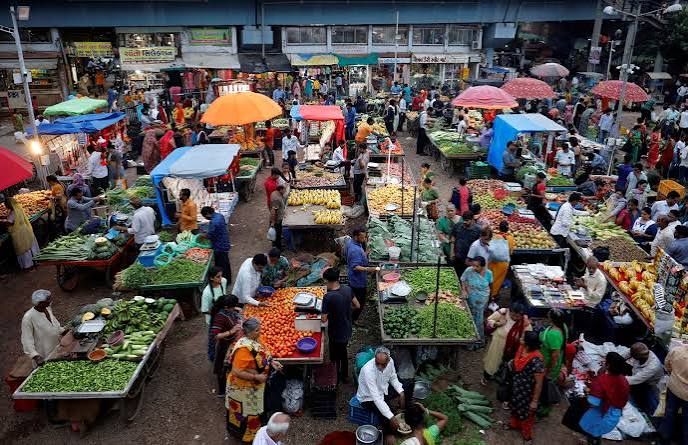
The primary catalyst for the rise in headline inflation was the food segment. The Consumer Food Price Index (CFPI) recorded a year-on-year inflation rate of 5.32% in June, a notable increase from the levels observed in the preceding months.
According to government data, rural areas experienced higher pressure, with inflation reaching 4.74%, while urban areas reported a relatively lower rate of 3.92%. Economists have pointed to a combination of supply chain constraints, higher transportation costs due to fuel price adjustments, and the early impacts of the monsoon season as key drivers of the rising food costs.
Economic Context and Market Impact
The acceleration in inflation to 4.38% arrives at a time when the RBI has maintained a cautious stance on monetary policy. In its last meeting, the central bank held the key interest rate unchanged at 5.25%, balancing the need for growth against persistent inflationary risks.
Investors and businesses are closely watching how this data will influence the Monetary Policy Committee's (MPC) future actions. While the current inflation rate is not alarmingly high, the breach of the 4% target—coupled with volatile global energy costs and the potential impact of weather patterns on agriculture—could limit the RBI's room for maneuver. Concerns persist regarding the "pass-through" effect, where elevated wholesale prices and fuel costs eventually manifest in retail price increases for essential goods and services.
Official Sources and Data Verification
The figures were officially released by the Ministry of Statistics and Programme Implementation (MoSPI) through a press notification on July 13, 2026. These provisional estimates are compiled based on price data collected from 1,407 urban markets and 1,465 villages across the country.
Why It Matters
For Indian citizens, the rise in inflation—particularly in the food category—means a higher cost of living. For the broader economy, the data suggests that inflationary pressures are becoming more entrenched. The persistent rise in food inflation, in particular, could disrupt consumption patterns, especially among low-income households that spend a larger proportion of their income on essential food items.
Key Facts at a Glance
Headline Inflation: India’s CPI-based inflation for June 2026 stood at 4.38%.
Food Price Index: Consumer food inflation reached 5.32% on a year-on-year basis.
Regional Variance: Rural inflation was recorded at 4.74%, exceeding the urban rate of 3.92%.
Target Breach: This is the first time in 16 months that retail inflation has breached the RBI's 4% target.
Comparative Data: The print of 4.38% was higher than the Reuters market forecast of 4.30%.
FAQ
What caused the rise in June inflation?
The acceleration was primarily driven by higher food and beverage prices, alongside increased transportation and logistics costs.
What is the significance of the 4% target?
The 4% figure is the medium-term inflation target set by the Reserve Bank of India. Breaching this level may prompt the central bank to reconsider its current "hold" stance on interest rates.
How does rural inflation compare to urban inflation?
In June 2026, rural inflation (4.74%) was higher than urban inflation (3.92%), largely reflecting the impact of food price dynamics on the broader rural consumption basket.
Will interest rates increase as a result?
Market analysts remain divided on the immediate policy response; however, persistent inflationary pressure typically increases the likelihood of a hawkish shift from the RBI.
Source: Ministry of Statistics and Programme Implementation (MoSPI), Press Information Bureau (PIB), Reserve Bank of India (RBI)